How to Build UV Lamps That Actually Last in a Busy Print Shop
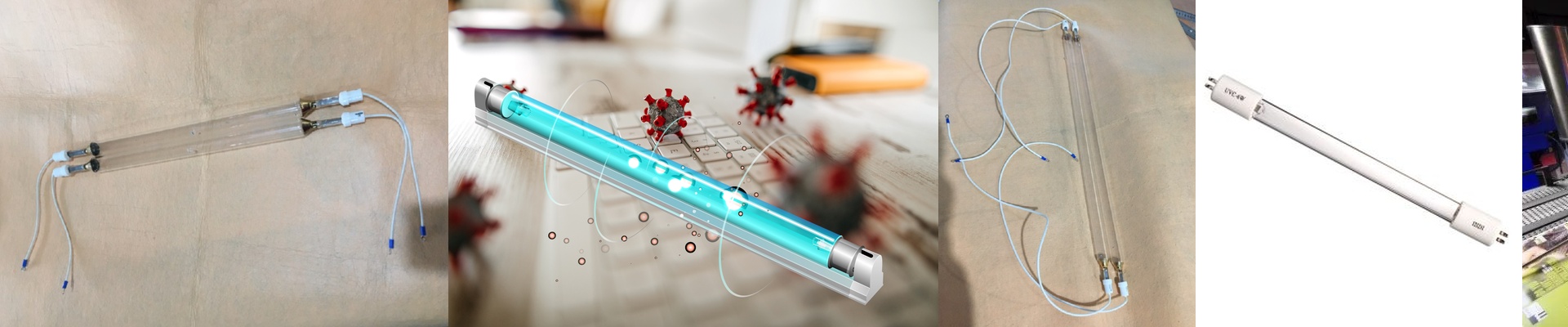
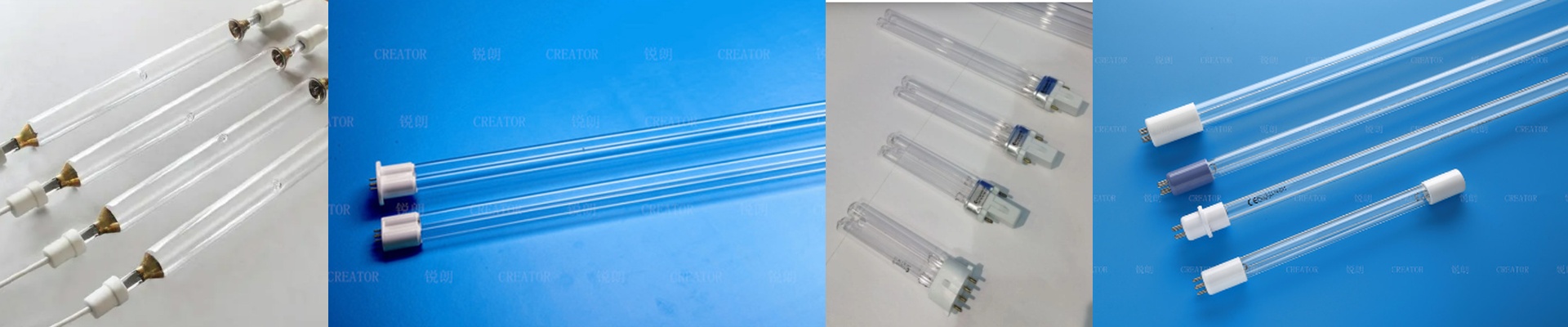
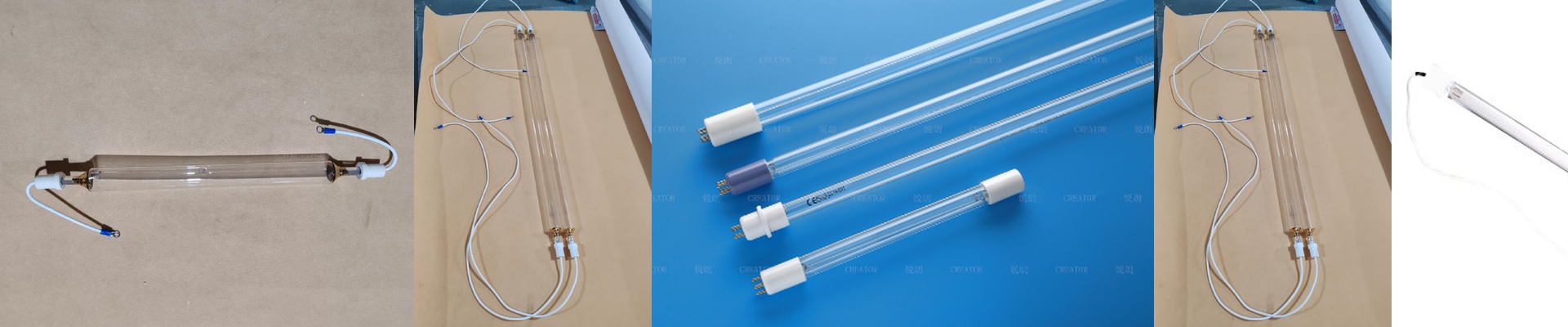
We spent some time visiting 3,000 different printing plants. Why? Because we wanted to see exactly where UV lamps give up the ghost. Here’s what we found: most lamps you buy off the shelf just aren’t built for the chaos of a real production line. Between the constant vibration and the brutal heat cycles, they just can’t keep up. If you want a system that doesn’t quit on you, you’ve got to get the balance between power and cooling just right. The Tug-of-War Between Power and Heat To get ink to dry properly, you need a steady stream of photons. It sounds technical, but it basically comes down to how much wattage you’re cramming into the length of the tube. Now, more power means faster curing. That’s great for your speed, but it makes the tube run hot. Really hot. If you push too many watts into a short tube, you’re basically asking for a burnout. We design our lamps to keep the output steady from end to end. No “cold spots,” no wet ink sticking to the substrate, and no headaches for your team. Fighting the Heat Heat is the absolute enemy here. That’s why we use high-grade quartz glass—it can take the thermal stress without cracking. But the glass is only half the battle. You need a housing that actually lets the air move. I’ve seen way too many setups where someone bought a powerful lamp but treated the cooling as an afterthought. If your fans aren’t up to the task, your electrodes are going to fry. You need a reflector system that does two things: pushes the UV energy down toward your product and kicks the heat away from the electronics. Making it Work in the Real World At the end of the day, a lamp is only as good as its connection. High-speed presses shake. A lot. We use reinforced terminals so your connections don’t just wiggle loose in the middle of a big run. These are designed to be drop-in replacements, so you aren’t rebuilding your whole rig just to upgrade. One thing to keep in mind: the more intense the lamp, the more it hates “dirty” power. If your voltage is jumping around, your lamp life is going to tank. You need a rock-solid power supply to keep that arc consistent. It’s a bit of a trade-off, but it’s the only way to hit those faster line speeds without replacing bulbs every other week.