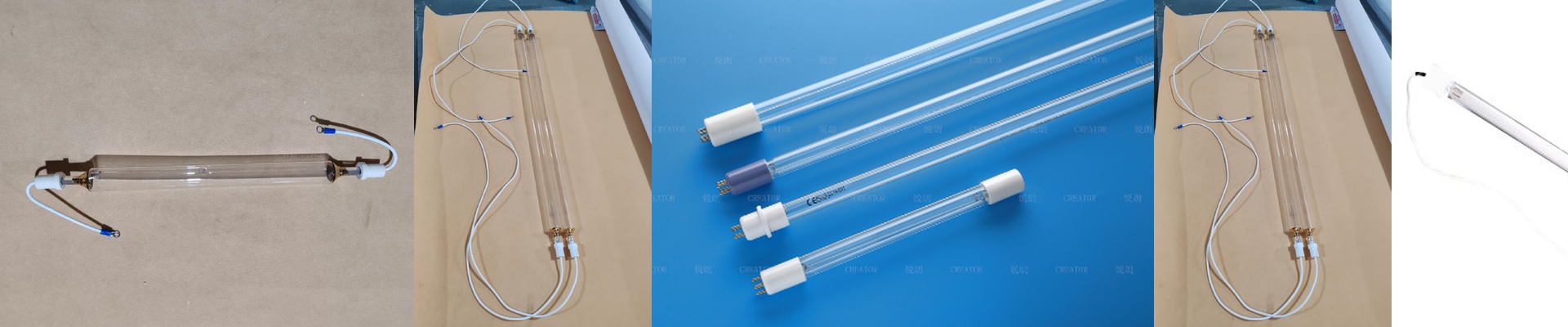
Why Most Industrial UV Lamps Fail (and How We Fixed Ours)
We spent some time visiting 3,000 printing plants. Not just a few—three thousand. We wanted to see where UV systems actually break down in the real world. What we found was that most designs are built in a clean lab, not on a shop floor. They don’t account for the constant vibration, the oppressive heat, or the panic of needing to swap a lamp in thirty seconds because a deadline is looming. We took all those headaches and used them to rebuild our design logic for our partners.
The battle between power and heat
Here’s the thing about modern printing: you need a precise balance. You want enough punch to cure the ink, but not so much that you scorch the material. If you cram too many watts into a short tube, you’re asking for trouble. That’s why we spec our lamps based on the actual chemistry of the ink you’re using. Sure, high-wattage setups get the job done for thick coatings, but they run hot. Really hot. If your airflow isn’t up to the task, your reflectors will warp and your output will tank. It’s as simple as that.
The parts that actually matter
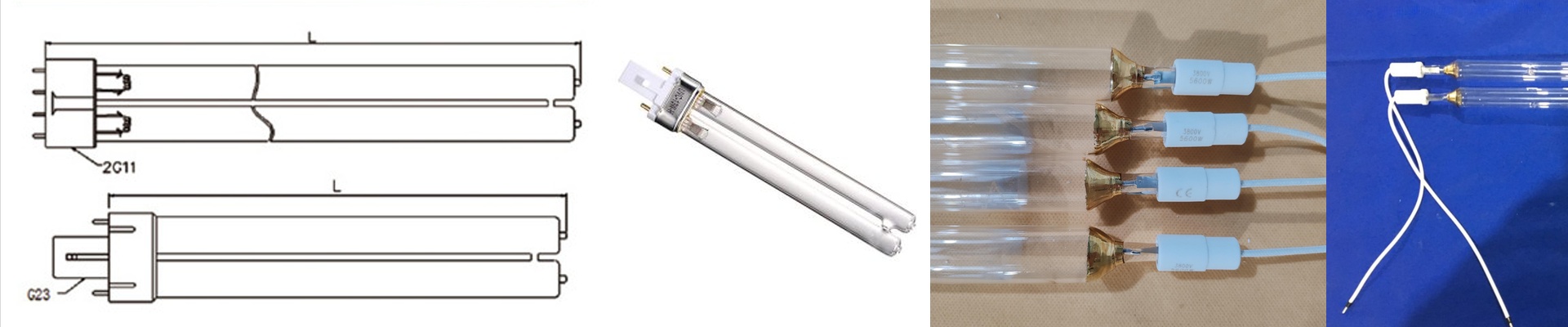
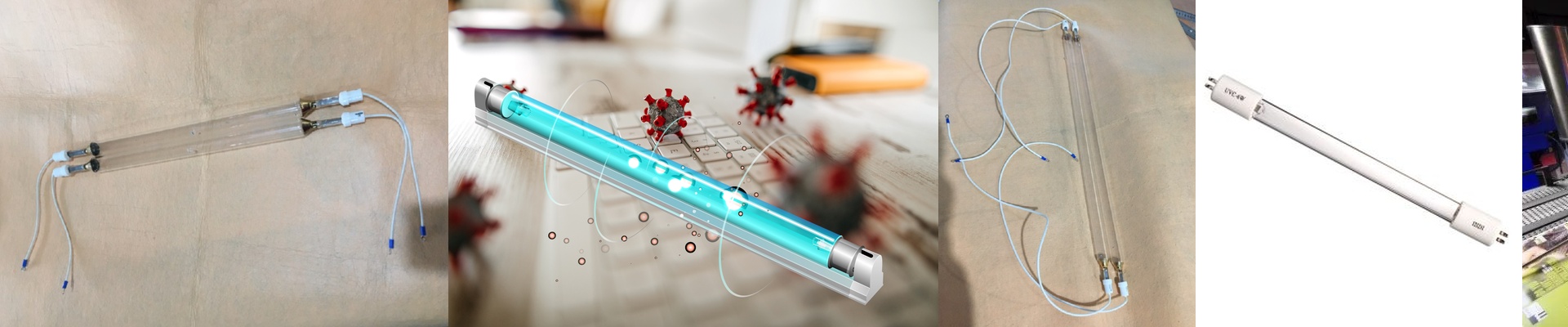
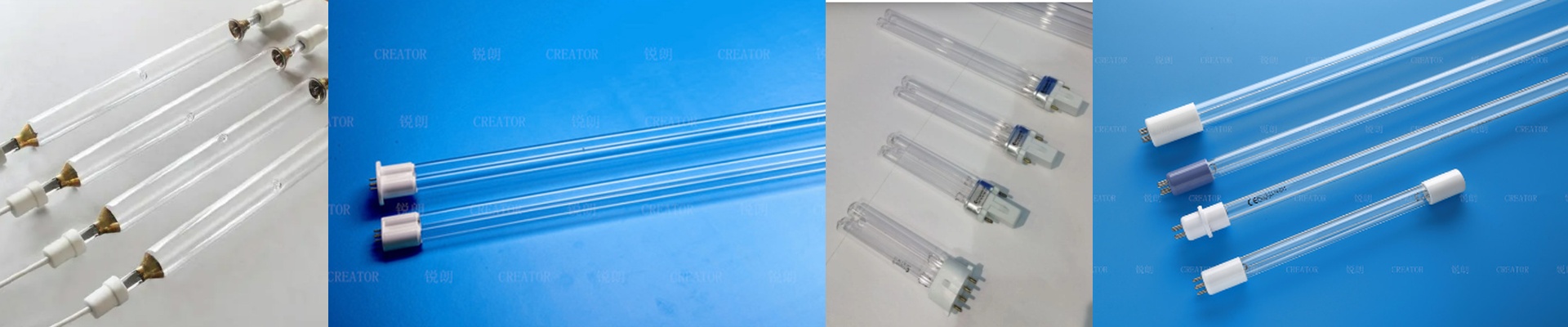
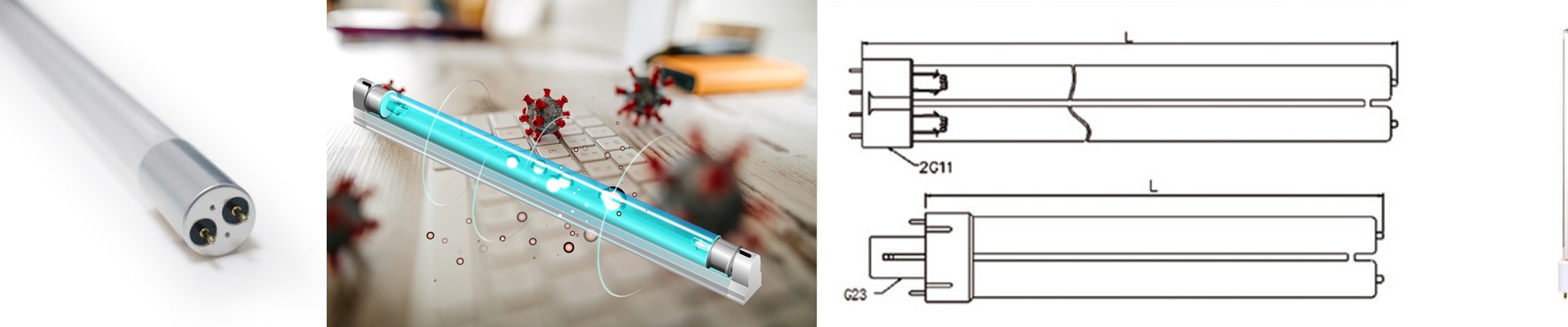
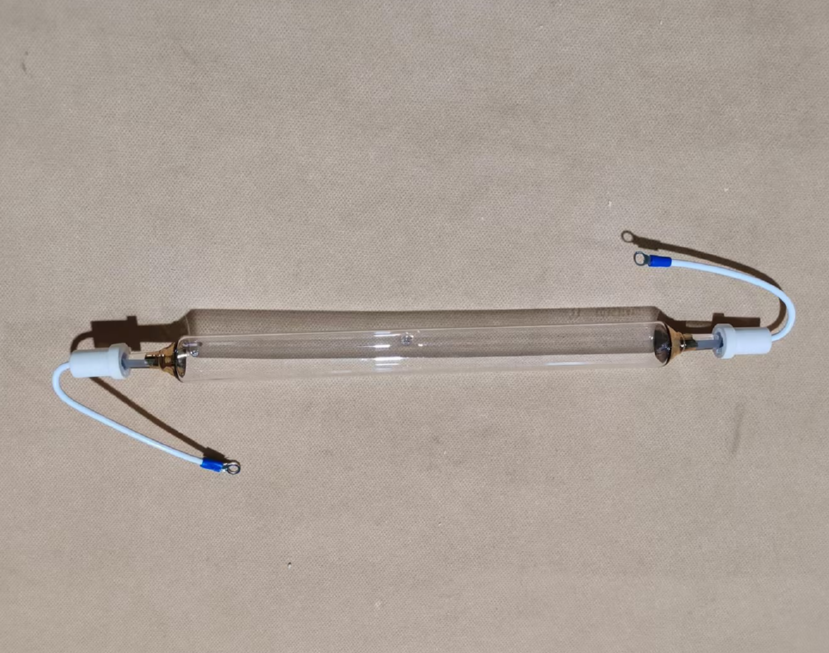
We spent a lot of time obsessing over the physical interface. Why? Because downtime is the enemy. We use standardized connectors so these are just drop-in replacements. No fussing around. We also went with high-purity quartz glass. It lets more UV through and doesn’t get eaten away by the harsh chemical fumes floating around a print shop. But the real secret is in the reflector geometry. We shaped them to aim the beam exactly where the ink hits the substrate. No wasted energy, no unnecessary heat.
Cutting the fluff
Too many UV systems are over-engineered in all the wrong places. We decided to strip away the nonsense and focus on the footprint. By fixing the ratio between the ballast and the lamp, we shrunk the electrical footprint of the whole machine. This means the system fits into your existing chassis without you having to rewire the entire shop. Now, look—it’s not magic. High-output UV is always going to put a strain on your power grid. But this approach keeps your lamps from burning out early just because of a voltage spike. It just works.