Getting Your Textile Prints to Actually Stick: The Truth About UV Lamps
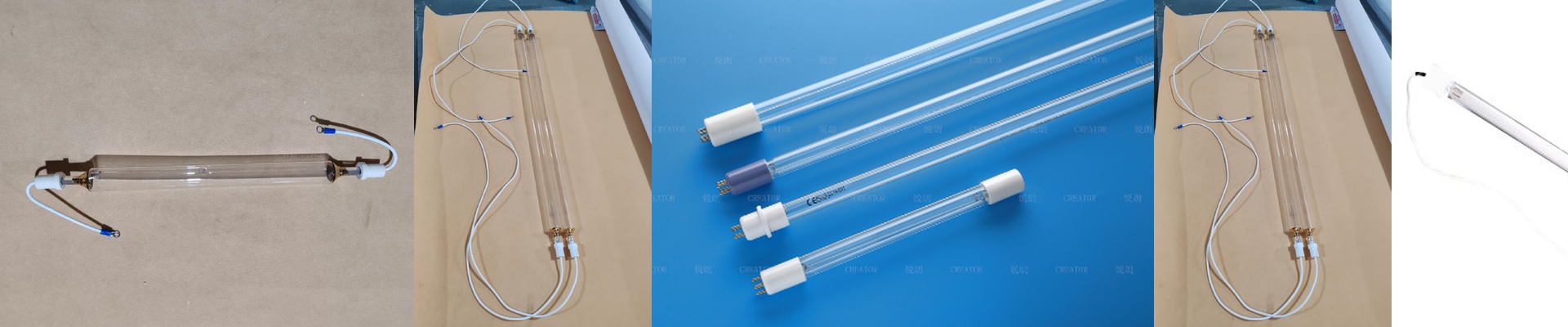
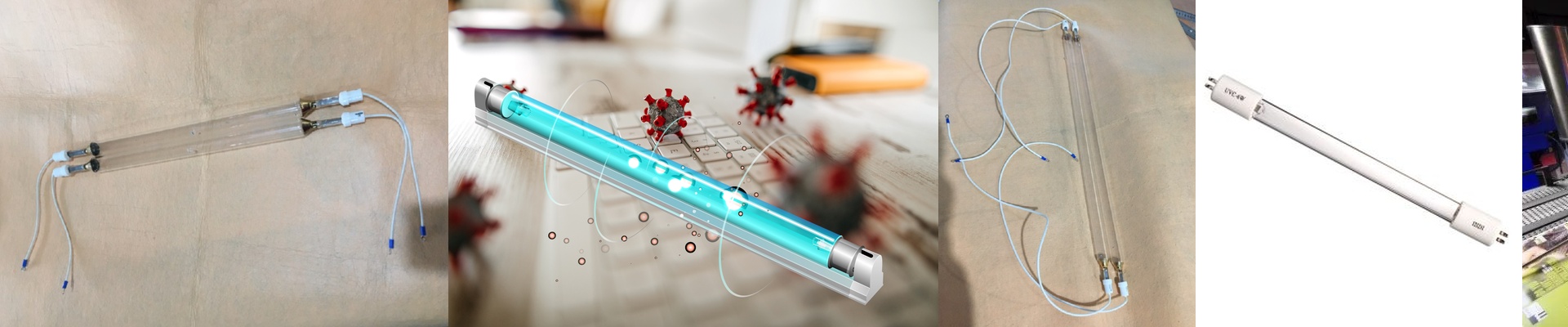
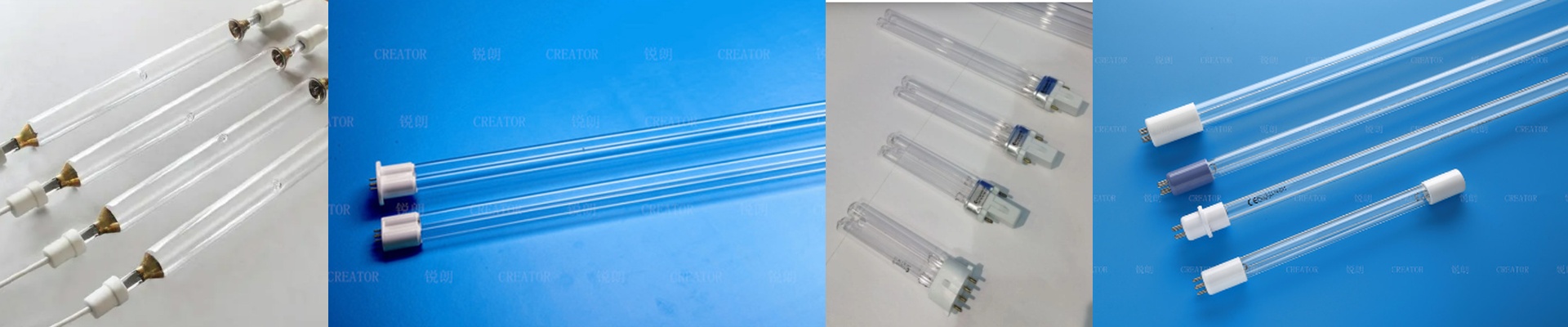
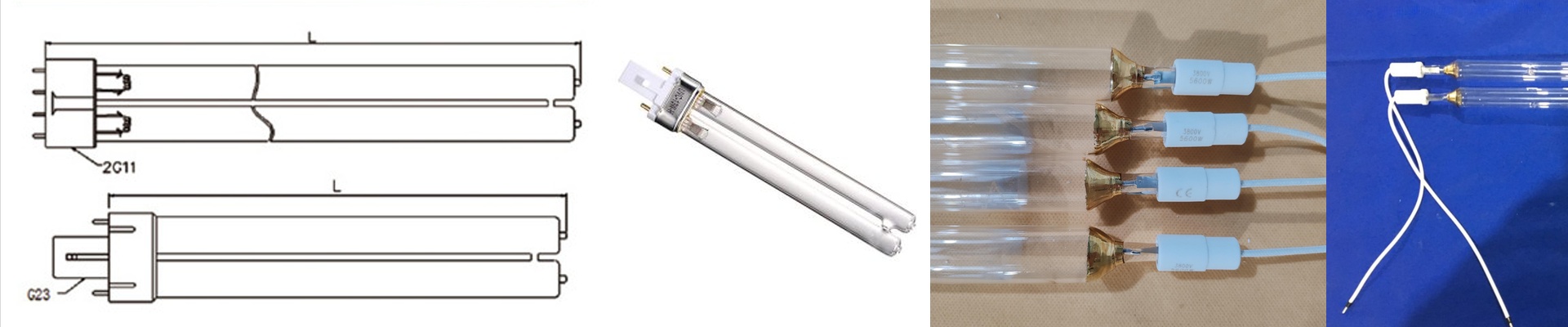
If you’re running a high-volume textile line, you know the nightmare of a bad cure. One second everything is fine, and the next, you’ve got smudging all over your fabric. It’s a waste of material and a massive headache. That’s why we build our quartz UV lamps the way we do. They aren’t just bulbs; they’re the only thing standing between a perfect print and a pile of scrap. Why we obsess over quartz Most glass is basically a wall for short-wave UV radiation—it just blocks it. We use high-purity fused quartz because it actually lets the UV-C and UV-B light punch through and hit the fabric. But it’s not just about the light. When you flip the switch on a high-wattage lamp, the heat jump is brutal. It’s almost violent. Standard glass would just snap under that kind of stress, but quartz handles the expansion without breaking a sweat. Finding the sweet spot for power Here’s the thing: you need a very specific amount of energy to lock that ink into the fibers. We can tweak the wattage and length to match how fast your conveyor is moving. Now, it’s tempting to just crank up the wattage to speed things up, but be careful. If you over-drive the lamp just to get more heat, you’ll fry your electrodes way too soon. Plus, make sure your ballasts can actually handle the voltage. If they can’t, you’re just asking for trouble. Keeping things running smooth Our tubes are designed to be simple drop-in replacements for most industrial rigs. No fuss. But a quick tip: check your reflectors every single time you swap a tube. A dirty reflector is a silent killer—it eats your output and creates “cold spots” where the ink just won’t set. And one last thing. These lamps put out a lot of heat and ozone. If your exhaust system isn’t pulling that air out of the shop, you’ll end up overheating your ink reservoirs before the fabric even reaches the print head. Keep the air moving, and you’ll be golden.