Let’s Talk About Modular UV Curing
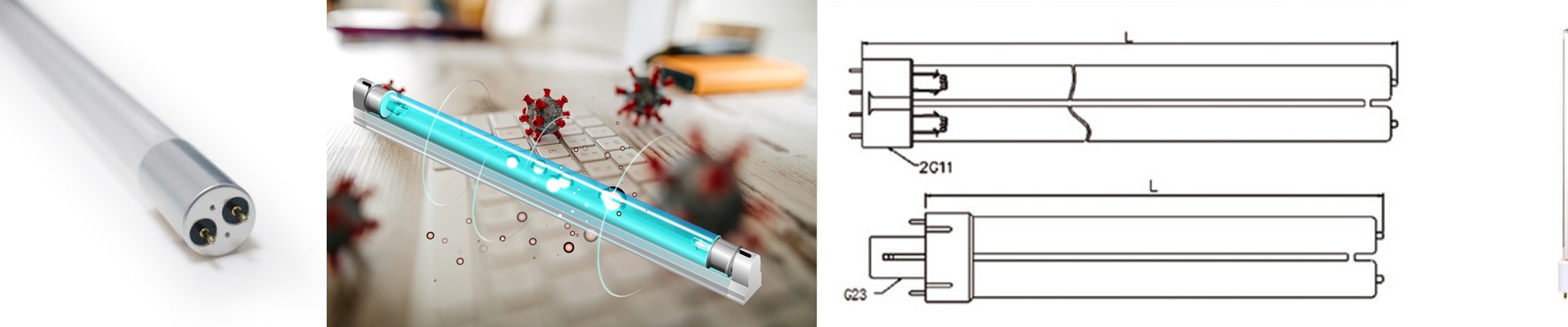
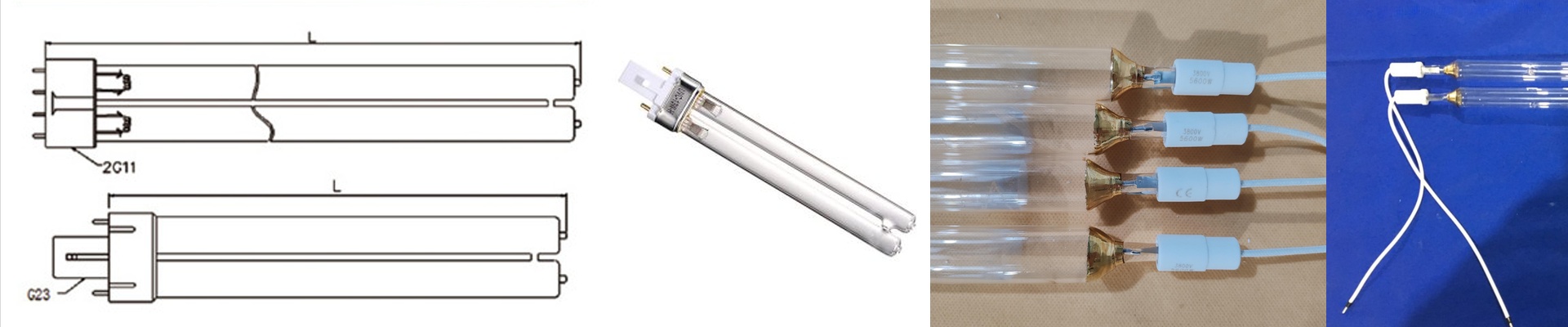
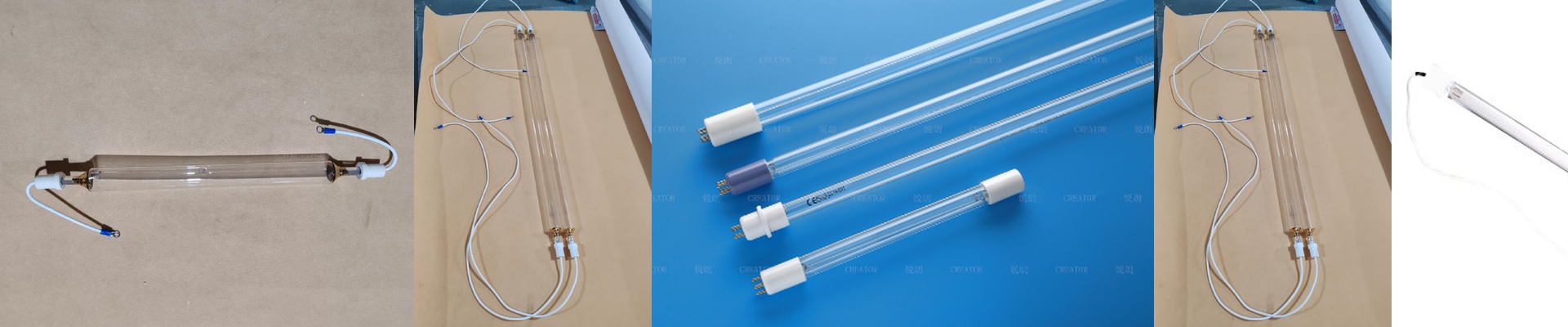
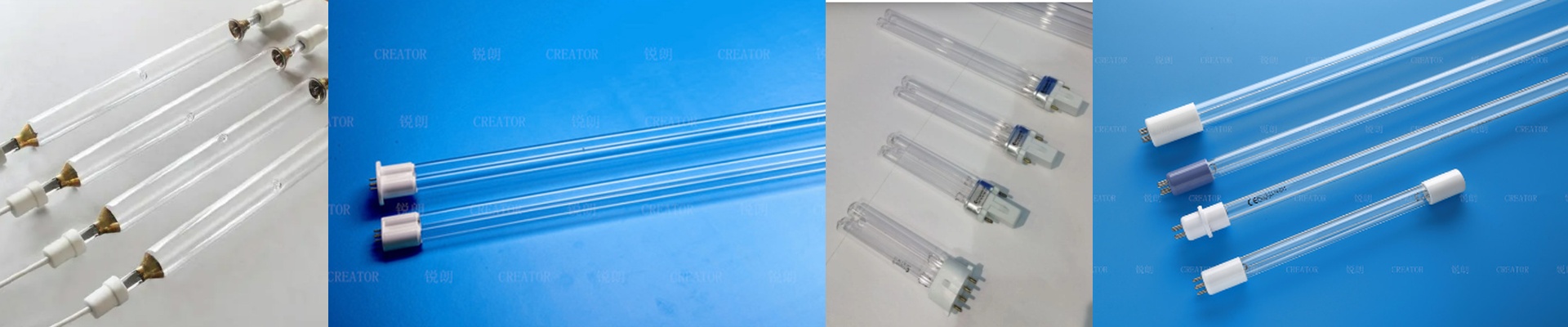
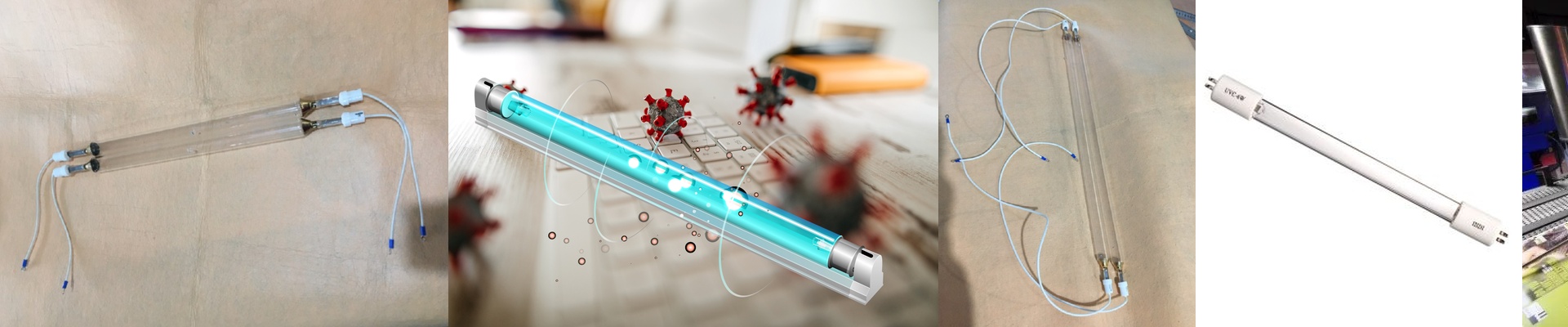
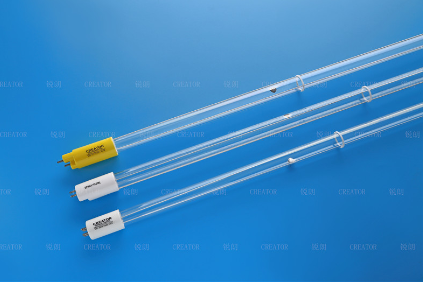
Think of our modular UV systems like building blocks. Instead of buying one giant, rigid machine and hoping it works for every project, you use a series of interchangeable lamp arrays. The beauty of this is the flexibility. If you speed up your conveyor belt and notice your cure rate is starting to lag, you don’t have to scrap the whole system. You just slide in a few more modules. Simple as that. The balance of heat and power Here is the tricky part: power density. You want a strong UV dose to get the job done, but those high-intensity lamps put out a ton of heat. If you crank the wattage too high just to move the line faster, you’re asking for trouble. You’ll start seeing thin plastic films warp or coatings that bubble up. It’s a balancing act. You also have to make sure the lamp’s spectral peak actually matches the photoinitiator in your resin. If they aren’t on the same wavelength, the reaction just won’t happen. Easy fixes, no headaches Nobody wants to tear down an entire rig just because one tube burnt out. That’s why we use a modular chassis. We use standard connectors and reflectors—usually polished aluminum or dielectric-coated glass—so you can just drop in a replacement and get back to work. These reflectors are key because they bounce every stray bit of UV back onto the part, making sure no energy goes to waste. The stuff people forget There are a few things you’ve got to watch out for during setup. First, these systems pull a lot of current. Make sure your electrical panel can handle that initial “kick” when the lamps strike. Then there’s the cooling. Whether you’re using fans or water-jackets, they have to be sized right. If your cooling fails, the lamp temperature spikes, the UV output dips, and you’ll end up with parts coming off the line feeling tacky to the touch. As long as your power and cooling are dialed in, our custom builds will hit the same performance marks as the big-name, tier-one brands.