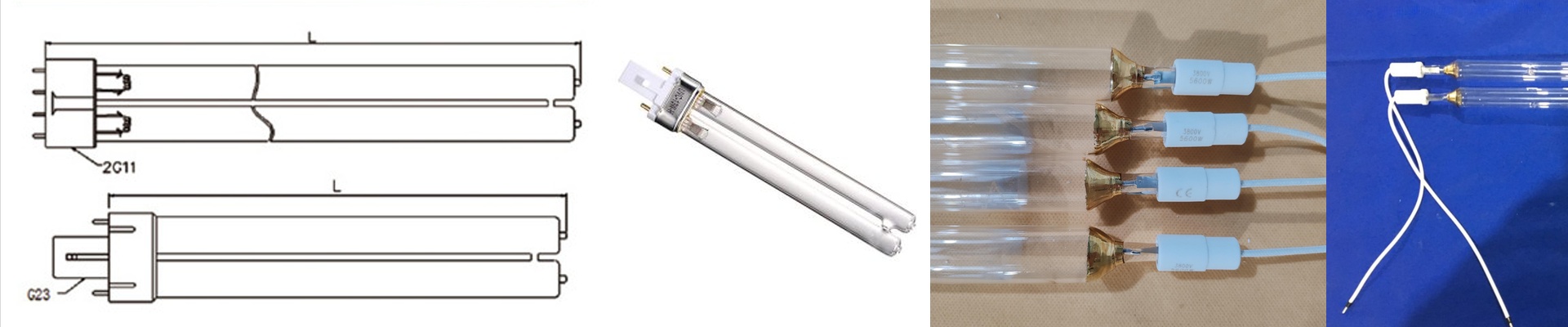
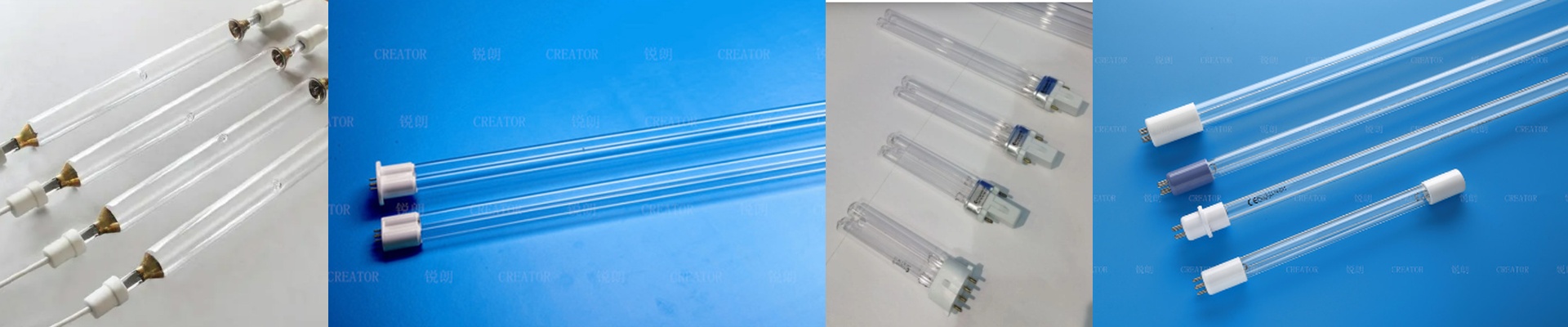
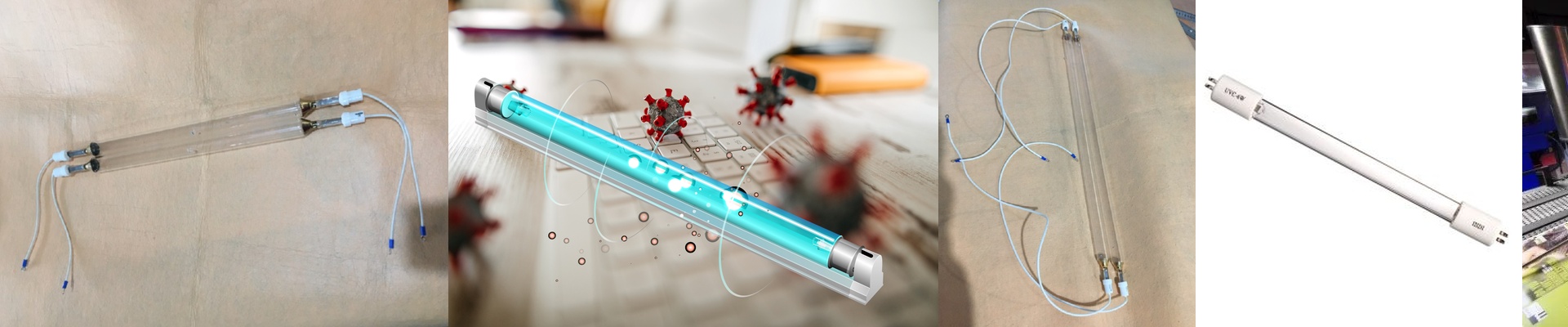
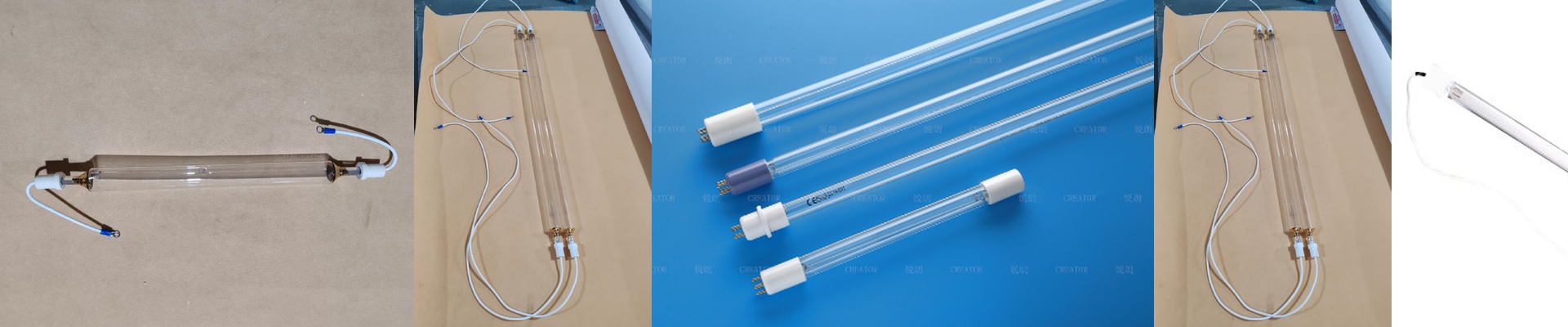
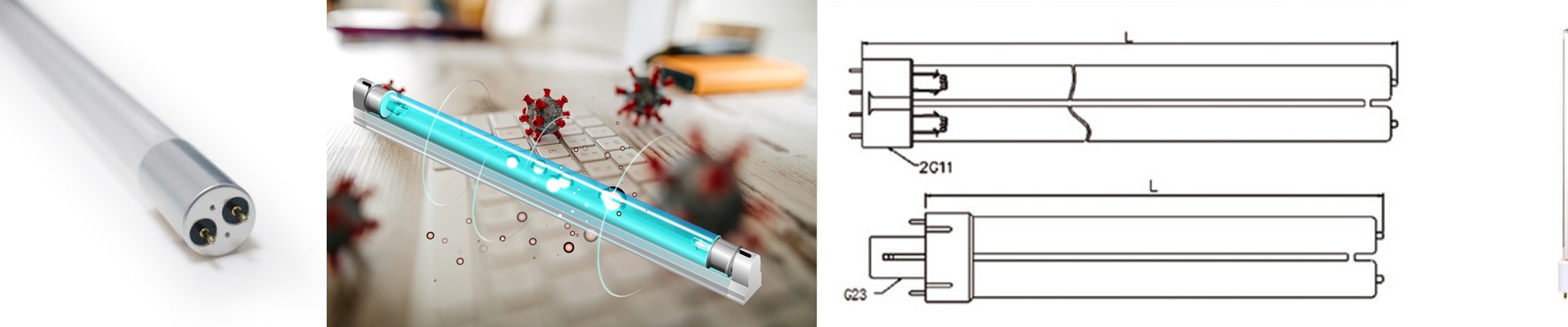
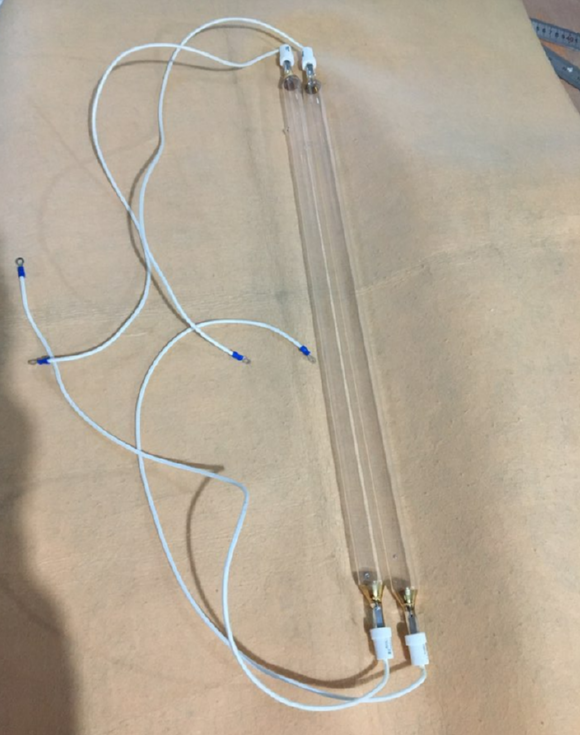
Most people think UV lamps only belong in a hospital or a nail salon. But if you walk into a textile mill, you’ll find them everywhere. They’re the invisible heavy lifters of the operation, working behind the scenes from the moment the raw fiber hits the floor until the final garment is bagged. Basically, we use them for two things: locking in colors and killing germs. Getting the physics right In the finishing stages, we usually lean on UVC lamps. When the fabric slides through the curing oven, that UV energy kicks off a reaction that basically “glues” the dyes and finishes into the fibers. It’s a delicate balance. If your wattage is too low, the finish just won’t stick. But push it too hard? You’ll scorch the fabric or actually start breaking down the synthetic yarns. It’s a tight window. Staying safe (and the gear we use) Here’s the thing: UVC is nasty stuff if it hits your skin or eyes. You can’t just plug these in and hope for the best. That’s why we use interlock switches. The second a technician opens a maintenance hatch, the power cuts out. Period. As for the hardware, we house the lamps in quartz sleeves. Regular glass would just soak up the UV light, but quartz lets it pass right through. We also use heavy-duty aluminum reflectors to bounce every bit of light back onto the fabric. It’s all about getting the most punch per square inch. The catch: Power vs. Life There is a bit of a trade-off here. If you run a lamp at its absolute limit, you’ll kill more germs, but you’ll fry the electrodes way faster. As the lamp ages, you’ll notice the output starts to dip. But here is the tricky part:don’t wait for the light to go dark. By the time the visible glow fades, the actual UVC power has usually already dropped too low to actually do its job. You might think it’s still working, but your sterilization or curing is failing. The only way to be sure is to stick to a strict replacement schedule and keep a close eye on your sensors.