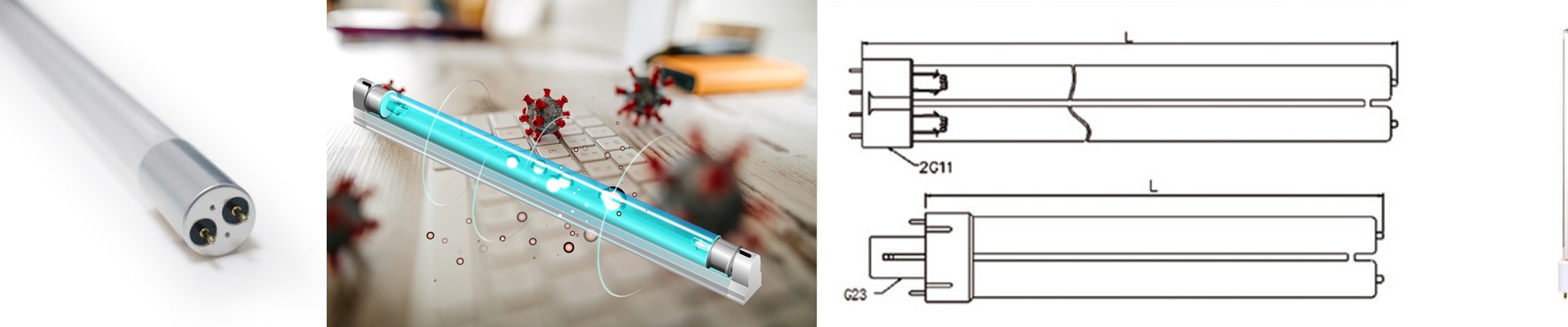
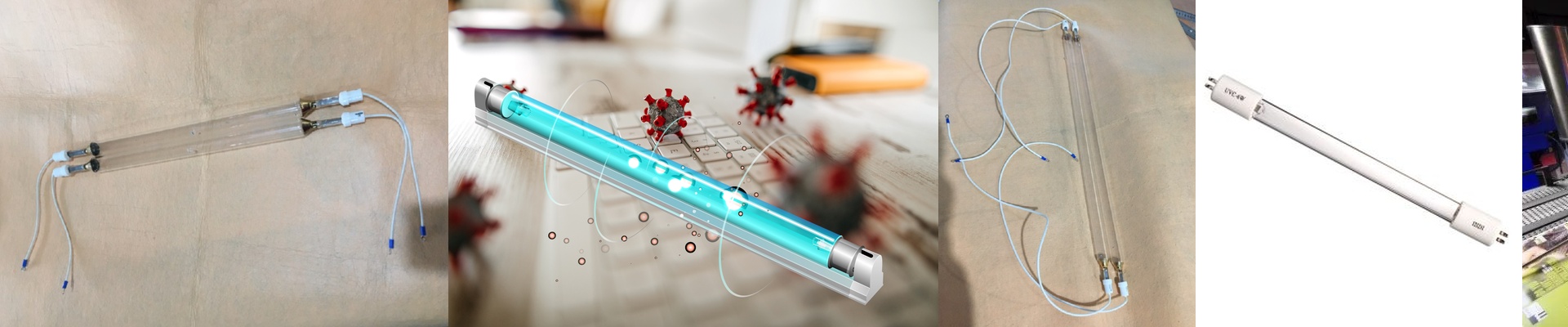
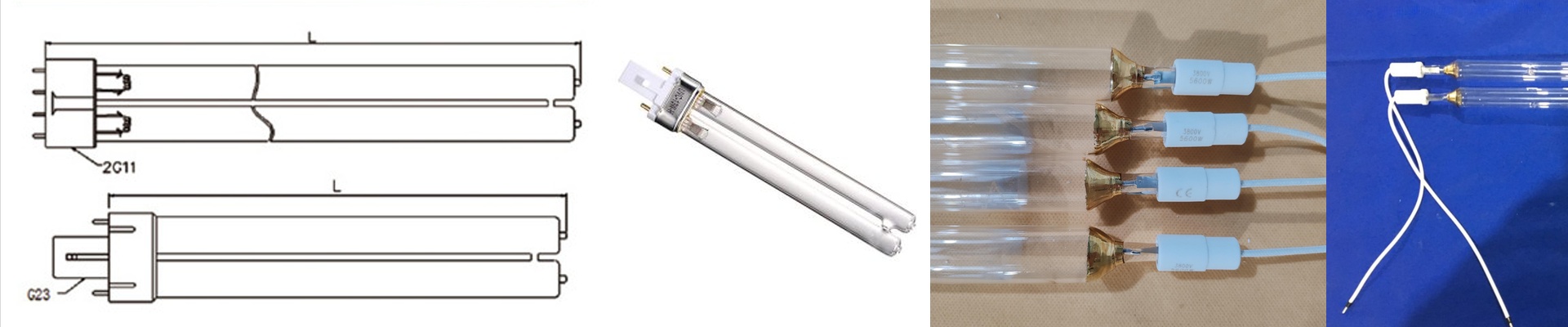
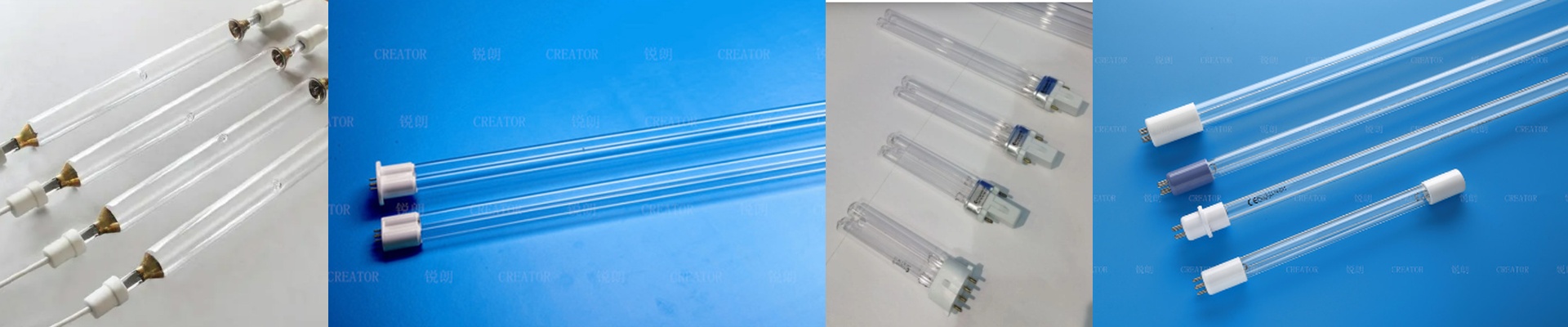
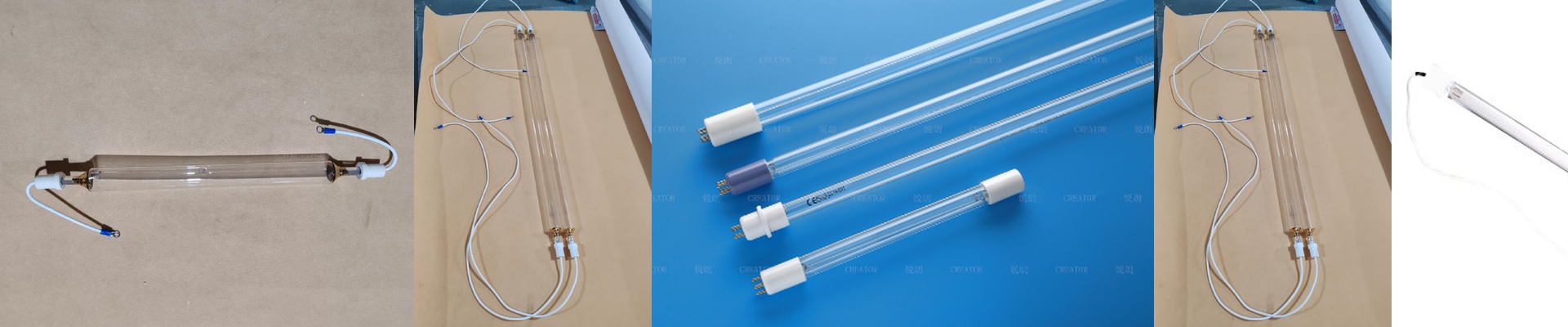
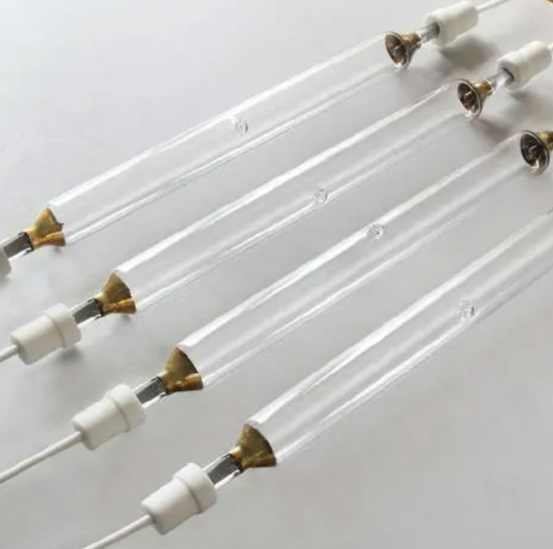
We spent some time visiting about 3,000 printing plants. We wanted to see where UV lamps actually die and why. Turns out, most shops are fighting the same battles. They’re dealing with inconsistent curing or lamps that burn out way too fast. Usually, it’s because the hardware just isn’t built for the speed the line is actually running. You can’t just throw a generic bulb in there and hope for the best. You need a design that actually fits the reality of your shop floor. Getting the power right Here’s the thing: the light has to match the ink. If you’re running thick coatings, you need a lamp with some real punch. But there’s a catch. High wattage means high heat. If you cram too many watts into a tiny space, you’re going to scorch your paper or melt your PET. It’s a balancing act. We tweak the voltage and wattage so you get the cure you need without ruining the material. Plus, you need a stable arc. If the light flickers, you get those annoying “zebra stripes” in your finish. Nobody wants that. Heat and materials Now, let’s talk glass. Most people use quartz, but not all quartz is created equal. The cheap stuff breaks down when it heats up and cools down over and over. We use high-purity fused quartz. It stays clear. It doesn’t cloud over time, which means the light actually gets through. But remember, a powerful lamp needs to breathe. If your fans are clogged or your reflectors are pitted, the lamp is going to overheat. It’ll die long before it hits its rated hours. Simple as that. Making it fit A replacement lamp should just… fit. No forcing it, no struggling with the socket. We obsess over the connector tolerances because we’ve seen too many pins arc. When you plug it in, it should feel tight and secure. That’s how you keep downtime low. In a high-volume shop, every minute the press isn’t moving is money leaking out of your pocket. One last tip: double-check your ballast specs before you slide a new lamp in. If the impedance doesn’t match, you could kill a brand-new lamp in a matter of days.