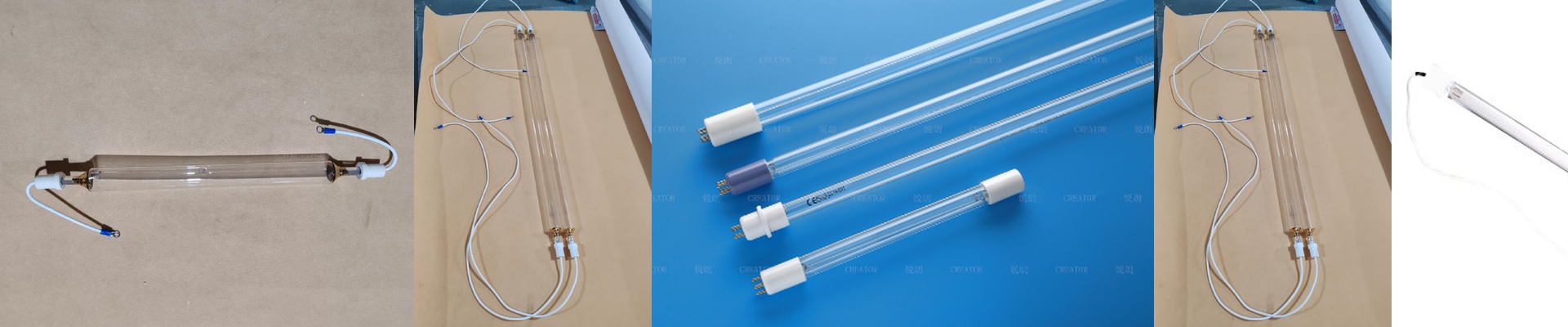
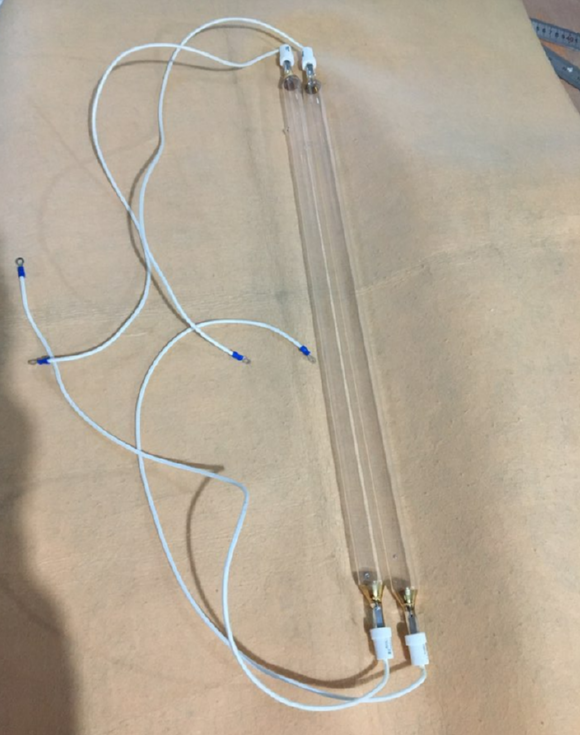
Getting the Most Out of Our 120W/cm Mercury UV Lamps
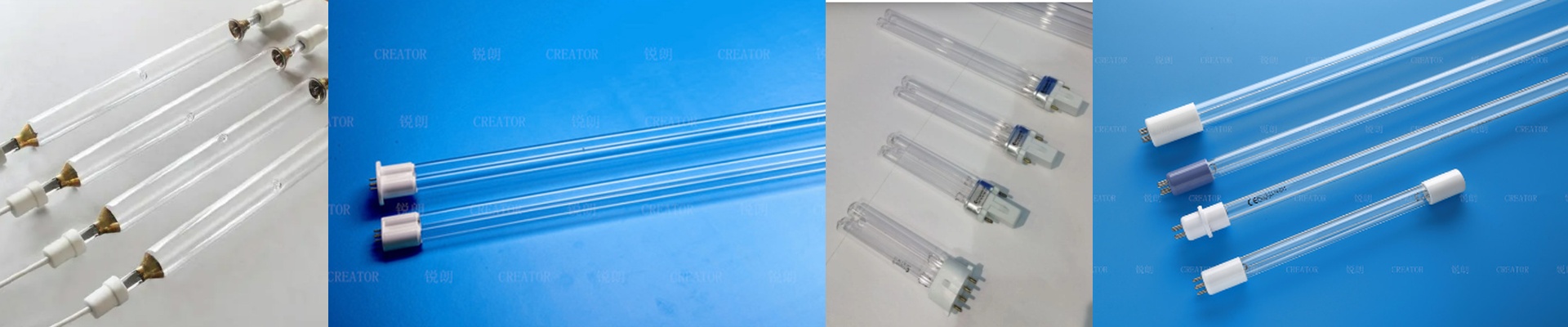
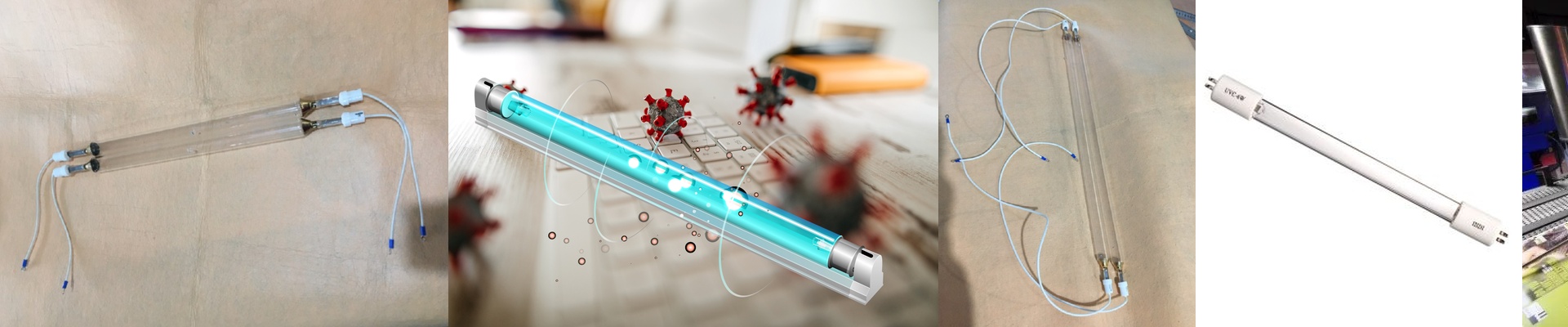
We built our standard mercury UV lamps to hit 120W/cm for a reason. If you’re in printing or textiles, you know the struggle: you need to freeze that image onto the material instantly. You can’t afford to slow down your production line just to wait for the ink to dry. That’s where this power density comes in.
The Power Behind the Cure
Think of that 120W/cm rating as concentrated energy. We use a mercury-vapor discharge to create a broad spectrum—mostly peaking at 254nm and 365nm. Why does that matter? Because it handles the whole job. It hits the surface coatings and digs deep into the ink layers at the same time. Just a heads-up on your ballast: get the wattage right. If you under-power the lamp, you’ll end up with that annoying “tacky” feel on your prints. But if you push it too hard? You’ll burn through the tube way faster than you should.
Dealing With the Heat
These things get hot. Like, really hot. While we use a quartz envelope that can take a beating, 120W/cm puts a massive amount of stress on your cooling system. We strongly suggest using a forced-air or water-cooled jacket. If your cooling slips up, the quartz can actually soften or the seals at the ends will fail. Not a great day for anyone. The good news is that these are designed to be simple drop-in replacements for most standard arrays. We’ve positioned the electrodes to keep the arc stable, which means no annoying flicker and a steady stream of UV from one end of the tube to the other.
Finding the Sweet Spot
More power means you can run your lines faster. That’s the win. But the trade-off is the heat soak. If you’re working with PET or thin plastics, you have to be careful with your spacing. If the lamp is too close, you’ll warp your material. Too far, and the ink won’t cure properly. It’s a bit of a balancing act. If you’re not sure about your focal distance or conveyor speed, just give us a shout. We’re happy to help you figure out the math so you can keep your throughput high without ruining your materials.