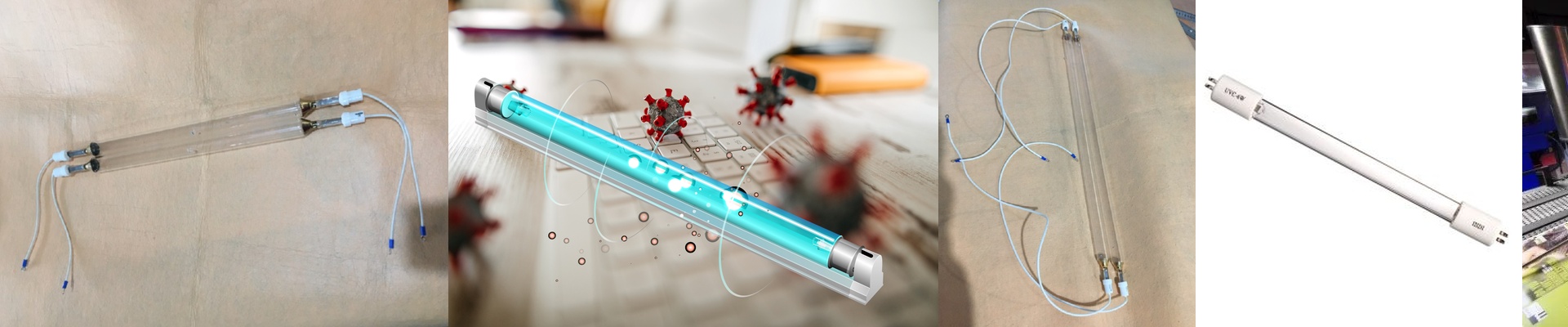
Getting Your PCB Curing Right with Gallium Iodide Lamps
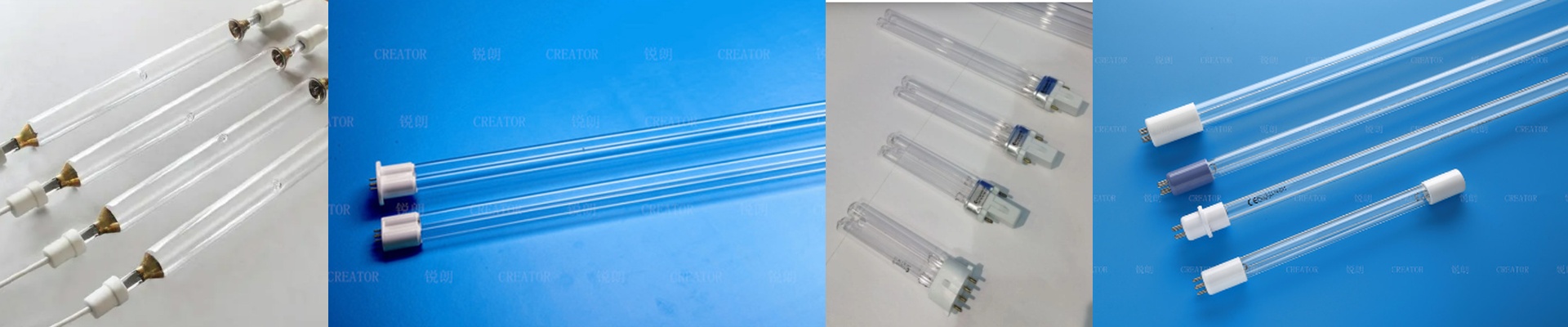
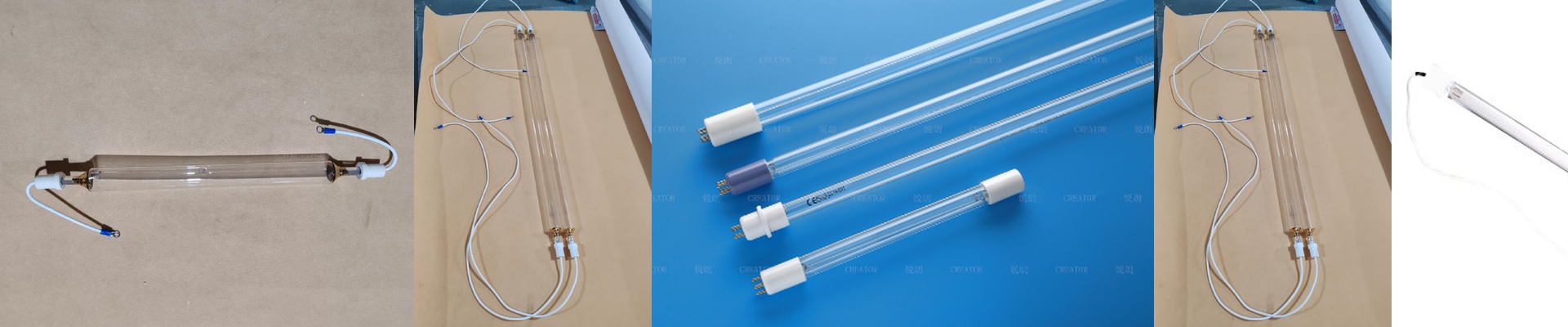
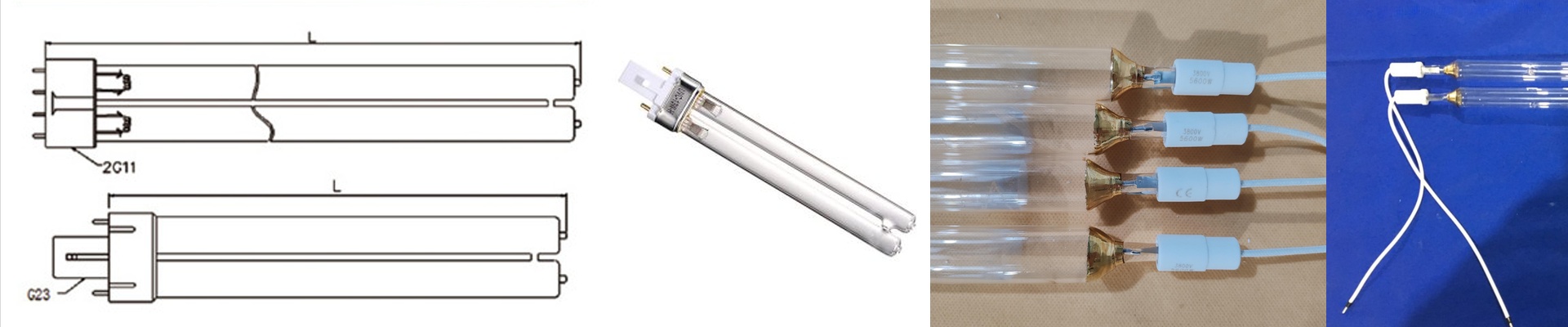
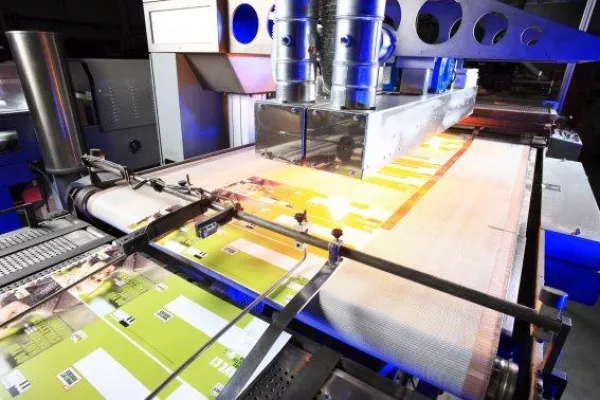
If you’re working with photoresists or specialty inks on PCBs, you know the struggle of getting the cure just right. Standard mercury lamps usually don’t cut it. That’s where gallium iodide comes in. These lamps shift the light peak, which lets the energy sink deeper into those thicker resist layers. It’s the difference between a surface-level dry and a cure that actually holds. The balancing act: Power vs. Heat Here’s the thing about power density. You want your line moving fast, but you can’t just crank the wattage to the max. If you do, you’ll warp the boards. Or worse, you’ll get “skinning”—where the top layer hardens instantly and traps wet solvents underneath. Not a good look. We spend a lot of time tuning the wattage so you get the throughput you need without cooking your substrates. It’s all about matching the lamp’s punch to your conveyor speed. Built for the grind These lamps live a hard life. They’re often running 24/7 in loud, hot factories. Because the gallium iodide reacts with the glass at high temperatures, we use high-purity fused quartz. It stops the tubes from clouding over or leaking when things get intense. Plus, we’ve reinforced the electrodes. We know these things get powered up and down constantly, and nobody wants a lamp to burn out right in the middle of a big run. Making it fit your setup If you’re buying in bulk or distributing, we can build these to fit your specific machine. You tell us the footprint, the length, and how you want the end-caps. Give us your voltage and amperage specs, and we’ll calibrate the filament to match. Simple as that. One quick warning: these lamps runhot. If you’re building your own housing, don’t skimp on the cooling fans or heat sinks. If the air doesn’t move, the quartz fails and the lamp dies early. If you’re not sure about the airflow, just let us know. We can help you get them wired up so they slide right into your existing curing tunnels without a headache.