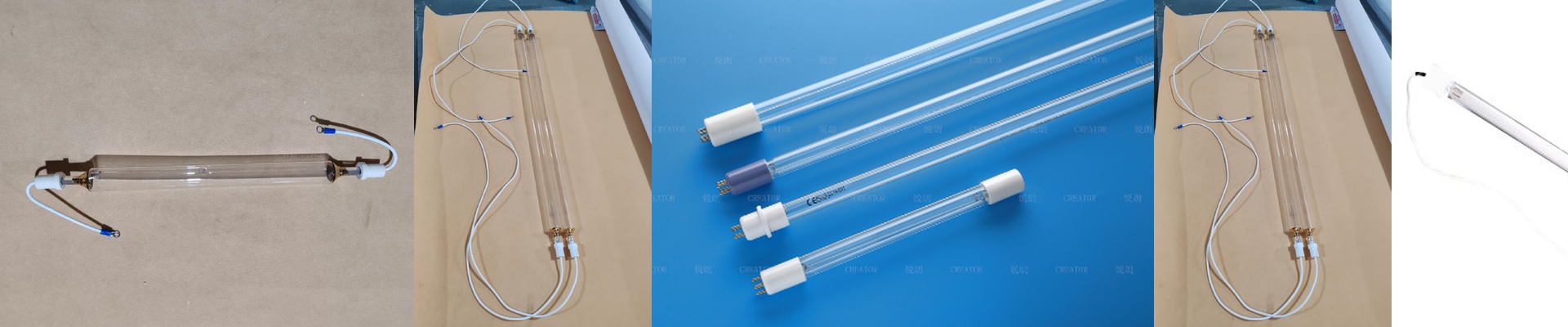
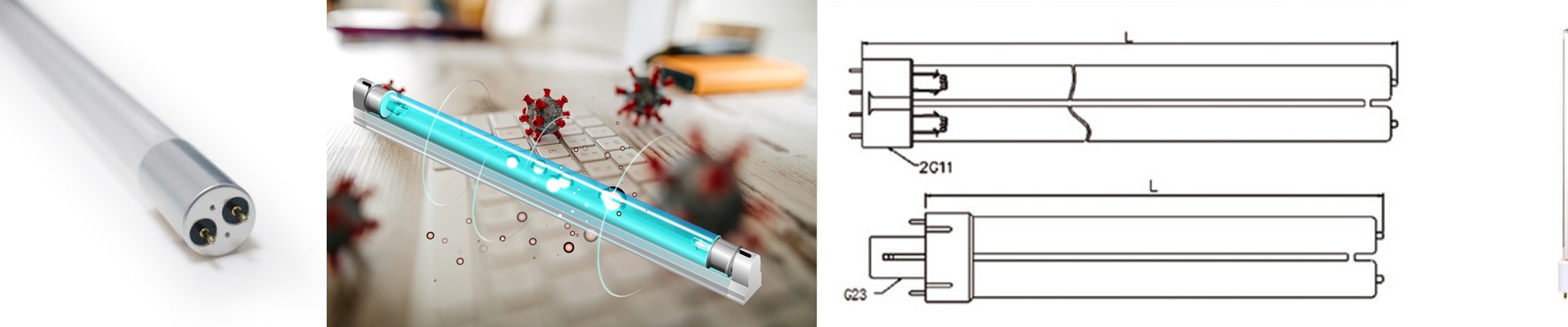
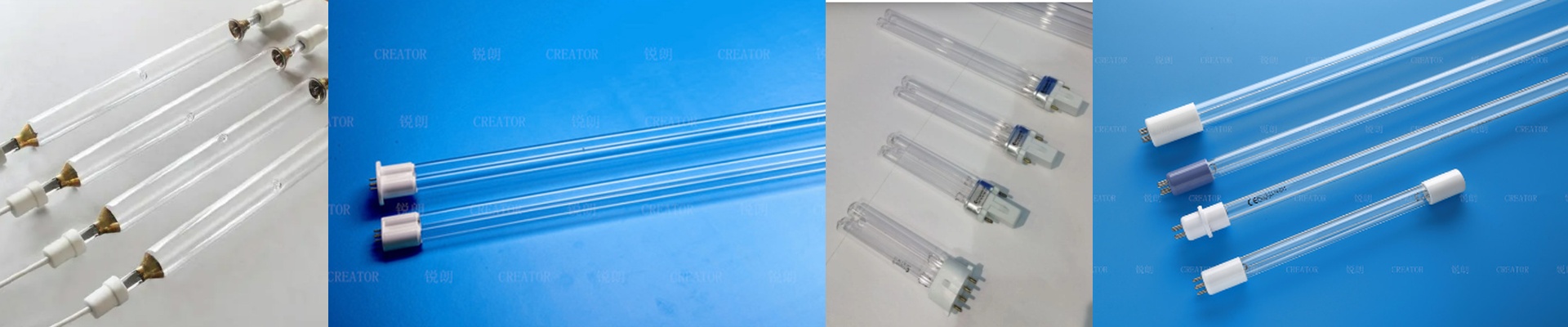
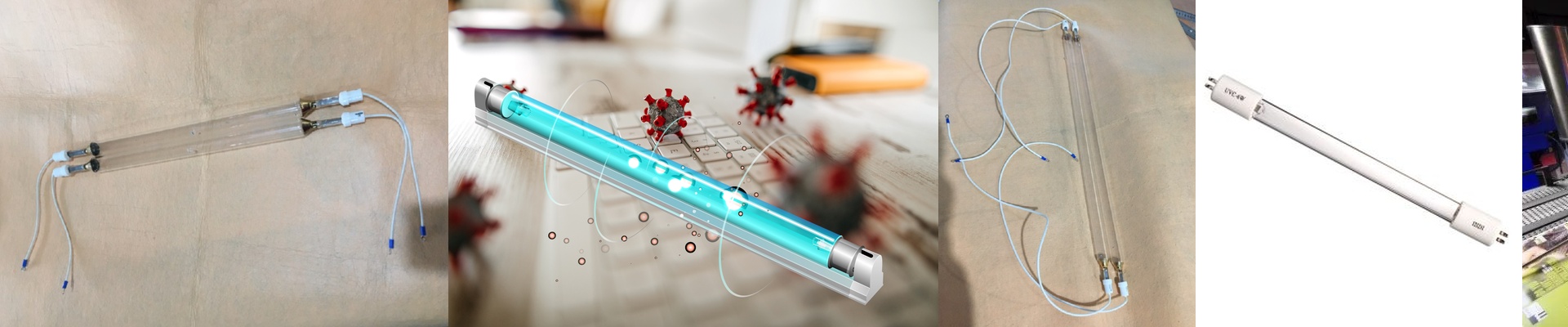
The Real Deal on Gallium Iodide UV Lamps (And Why You Can’t Afford to Wait)
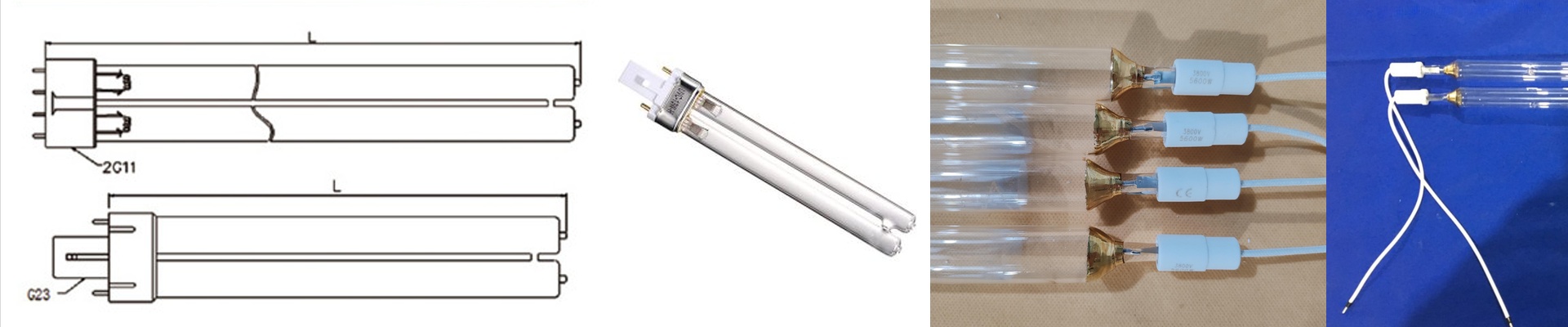
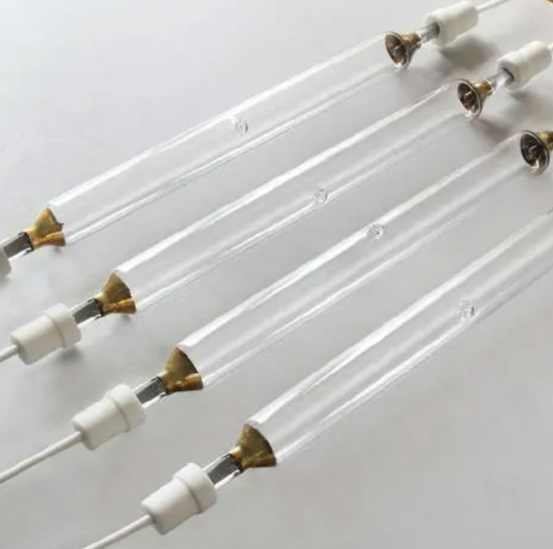
When you’re dealing with deep-cure jobs or tricky photopolymerization, Gallium iodide lamps are usually the go-to. They hit that specific spectral sweet spot that standard mercury lamps just can’t reach. But here’s the thing: when these lamps start flying off the shelves, the hardest part isn’t the science. It’s actually getting the bulb into your hand without a six-week wait. The Technical Side of Things We build these to hit very precise wavelength peaks. If you’re working with thick coatings or specialty resins, you need that extra penetration. To make that happen—and to keep the lamp from burning out way too early—we have to be obsessive about the gas fill and the electrode materials. That’s why we keep a tight stash of these parts on hand. We don’t want you waiting on a shipment while your project sits idle. Heat: The Silent Killer High-wattage UV lamps get hot. Really hot. If you’re pushing for maximum irradiance, your housing needs to be able to handle that thermal load. I’ve seen plenty of engineers swap in a higher-output model and completely forget about the cooling. It’s a risky move. Without enough airflow, that quartz envelope is going to stress and eventually snap. You get your faster curing speeds, sure, but you’ve got to manage the heat, or you’re just buying a very expensive paperweight. Keeping Your Line Moving When I talk about a “flexible supply chain,” I’m not using a buzzword. I just mean we don’t make you wait a month for a standard replacement. We keep the popular models in stock because we know how it feels when a production volume spikes and a single blown bulb shuts down your entire line. That’s a nightmare nobody needs. Our lamps are designed as drop-in replacements. They match your existing electrical footprint, so you aren’t spending your afternoon rewiring ballasts or messing with lamp holders. You just plug it in, check the UV intensity, and get back to work. Simple as that.