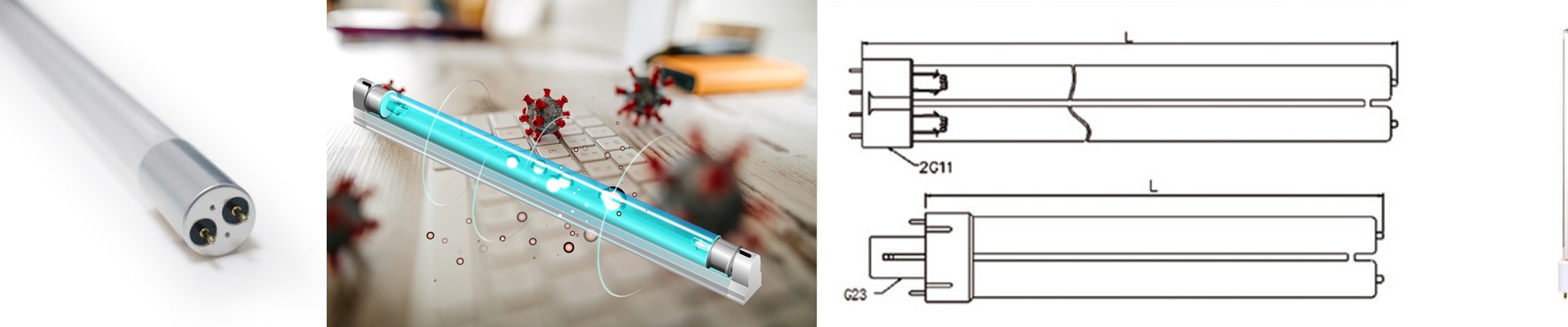
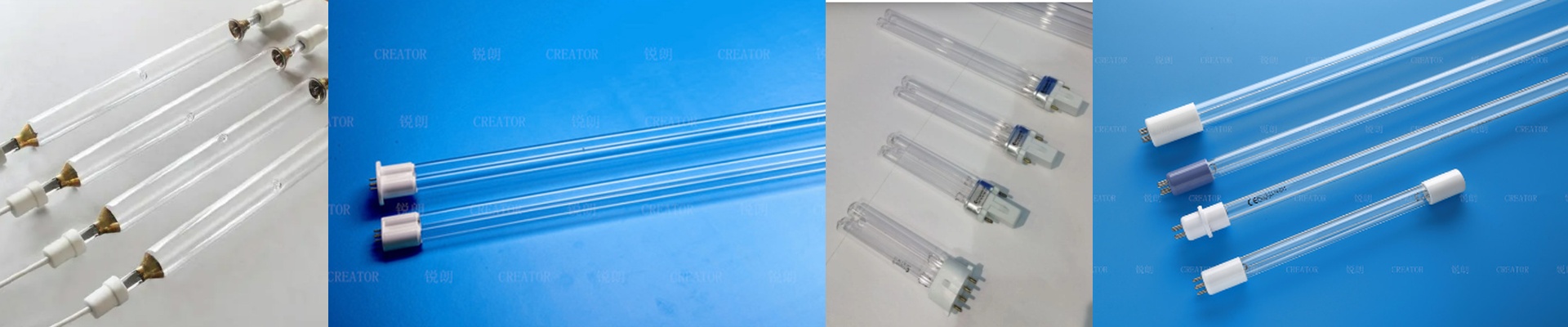
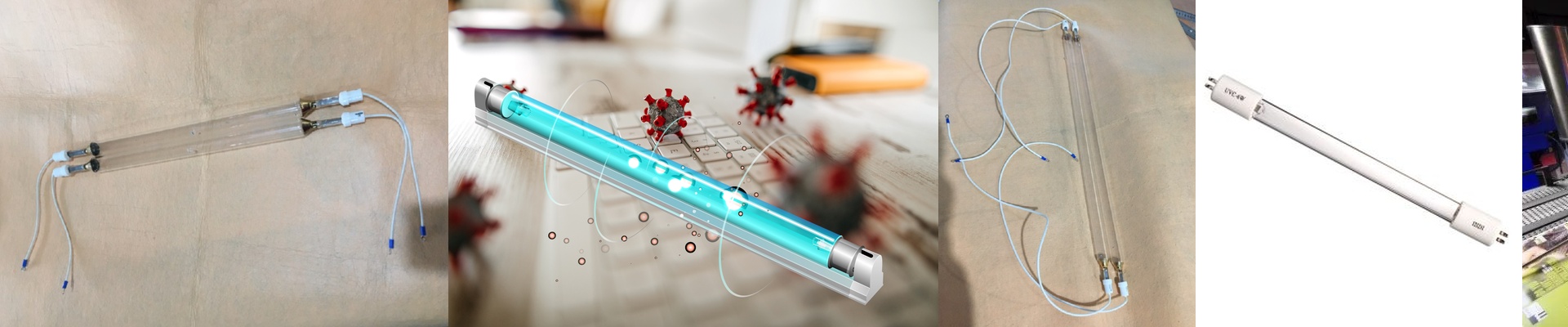
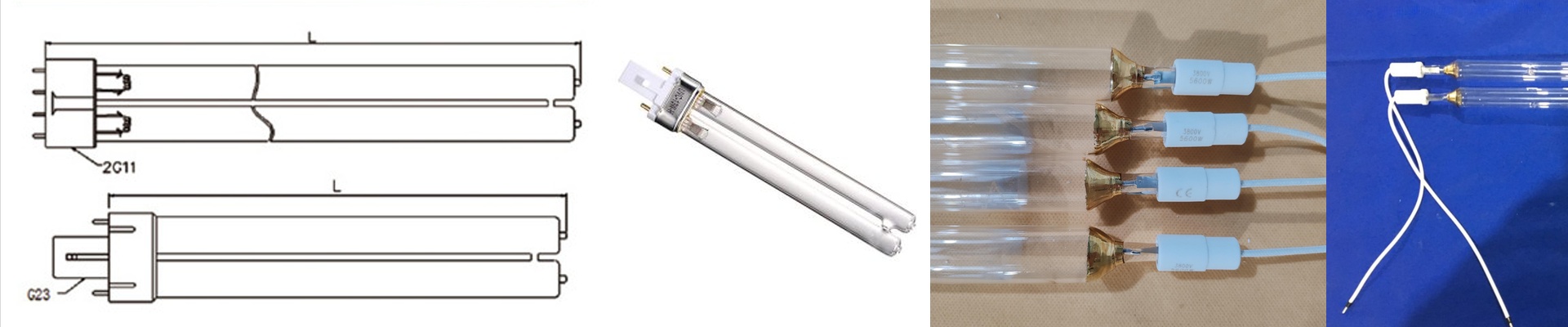
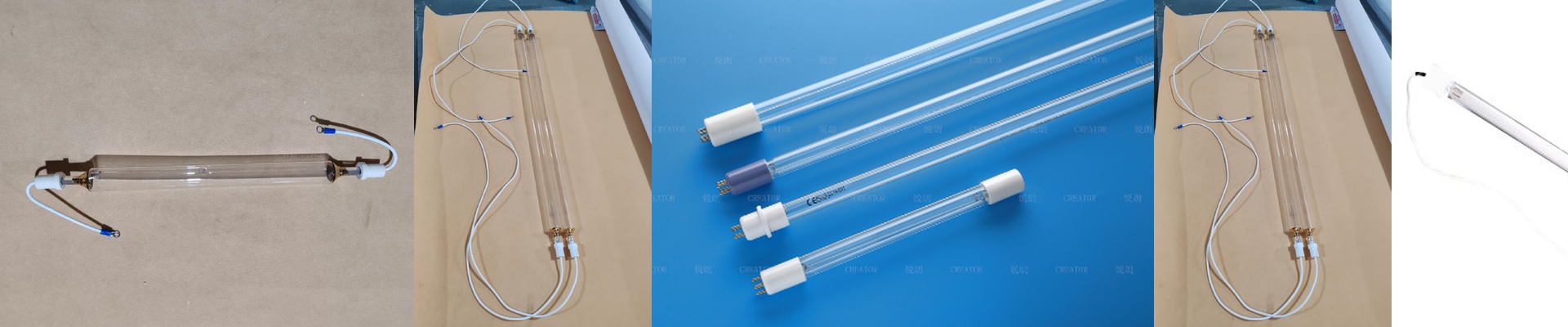
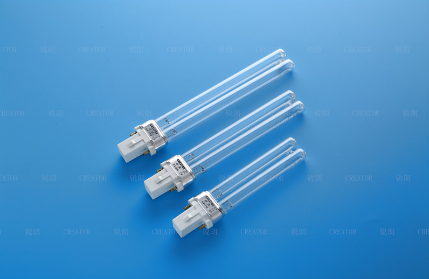
Chemical disinfection leaves behind residues, burns through consumables, and makes waste handling a headache. In biosafety-critical areas, you need a dry, repeatable method that drops right into automated lines. Gallium iodide UVC lamps give you that reliability. What actually matters under the hood Gallium iodide lamps concentrate output at 254nm—the germicidal sweet spot where microbial DNA and RNA absorb the hardest. That wavelength drives photoproduct formation directly, shutting down replication without any additives. Lamp geometry and the doping profile keep output stable over the run, so irradiance stays consistent across the target surface. You get predictable intensity, tight spectral control, and steady dose delivery—exactly what you need to validate microbial kill in your SOPs. Why it fits on the floor Swapping out chemicals for UVC cuts through compliance headaches and reduces chemical handling. Gallium iodide lamps deliver immediate, repeatable disinfection cycles—no thermal soak, no residues—so changeovers are faster and ventilation demands drop. The process stays dry, leaves no odor, and sidesteps the variability that comes with spray angles, wiping differences, and chemical concentration drift. For biosafety upgrades, the lamps integrate cleanly into enclosures and pass-throughs, so you can run validated, auditable disinfection without solvents. The things you can’t skip UVC only works with line-of-sight and the right dose: shadowed zones and low irradiance areas will miss the mark. Surface reflectivity, fixture placement, and lamp-to-target distance have to be engineered to hit the required microbial reduction. Back it up with biological indicators and routine radiometry. Operators need eye and skin protection, and interlocks plus shielding are mandatory. Lamp output drops as hours accumulate—track intensity and plan replacement intervals so validated performance stays intact.