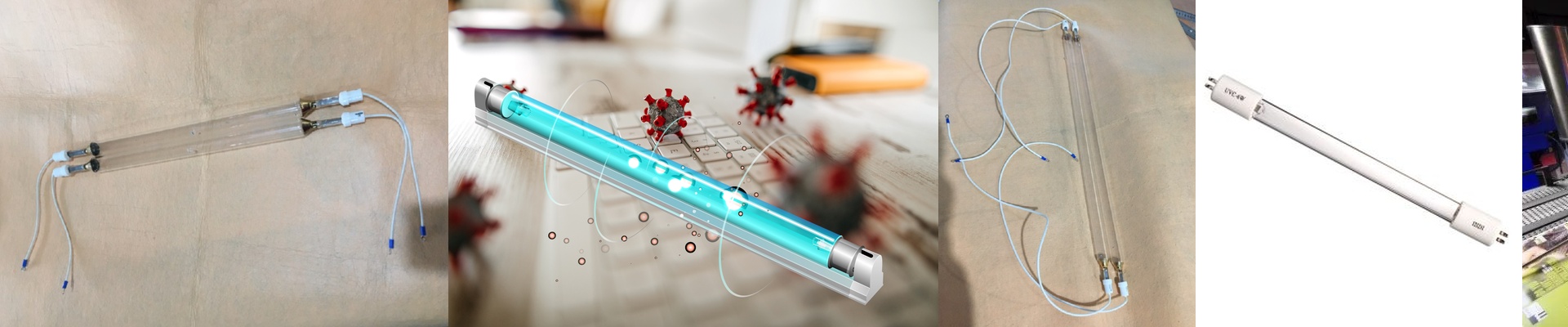
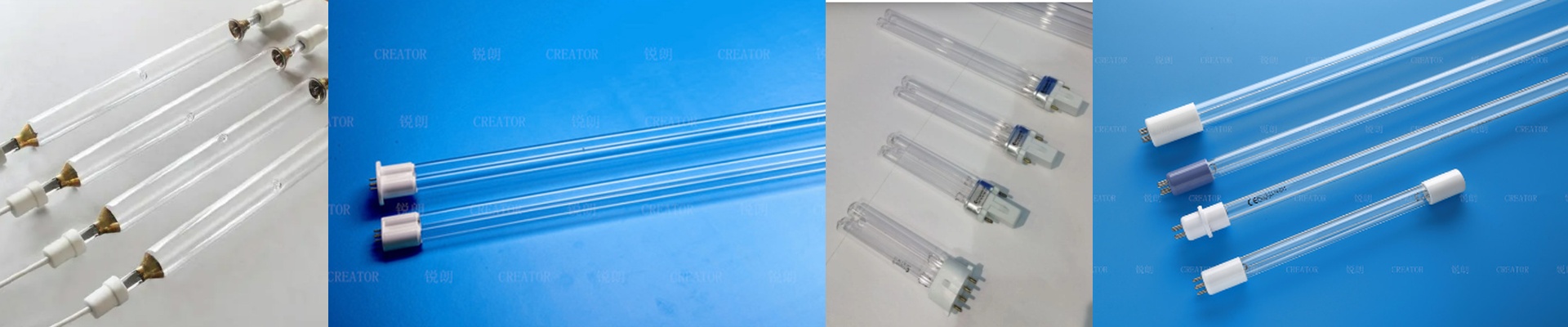
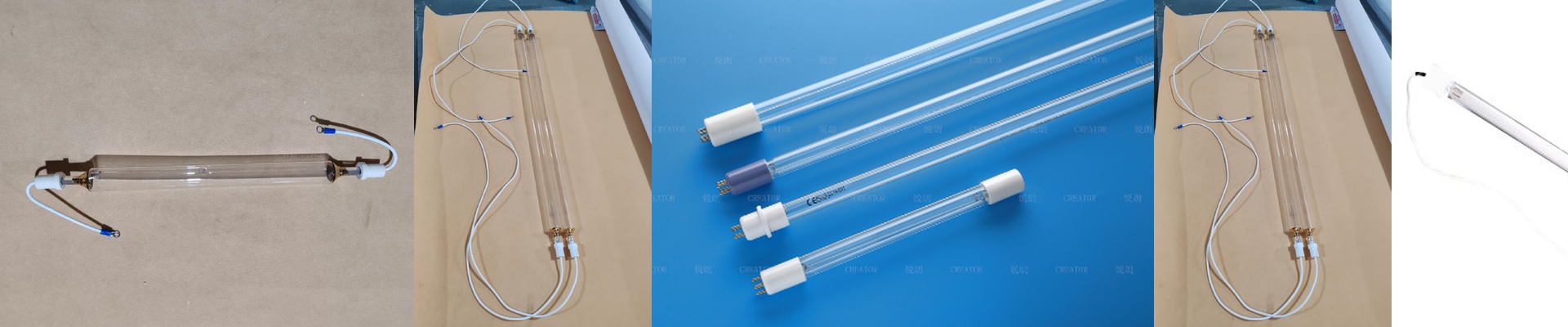
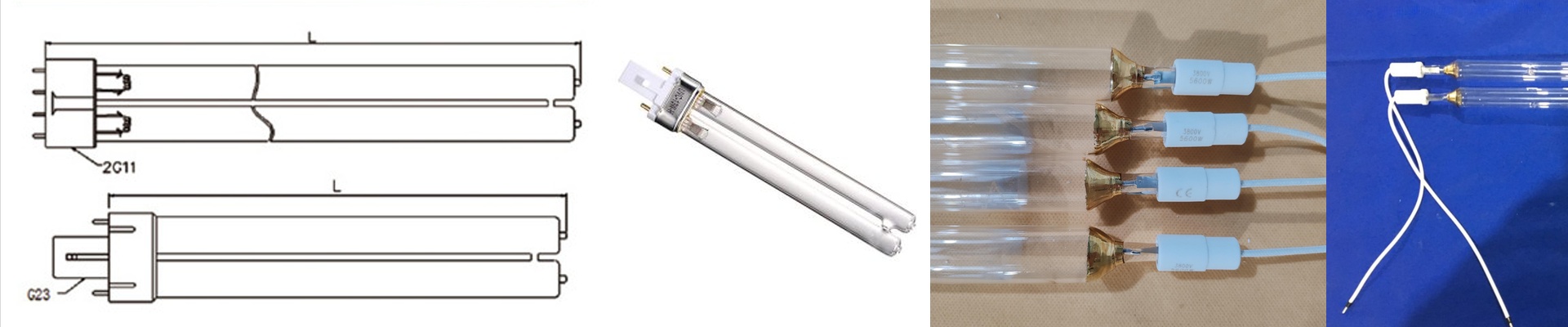
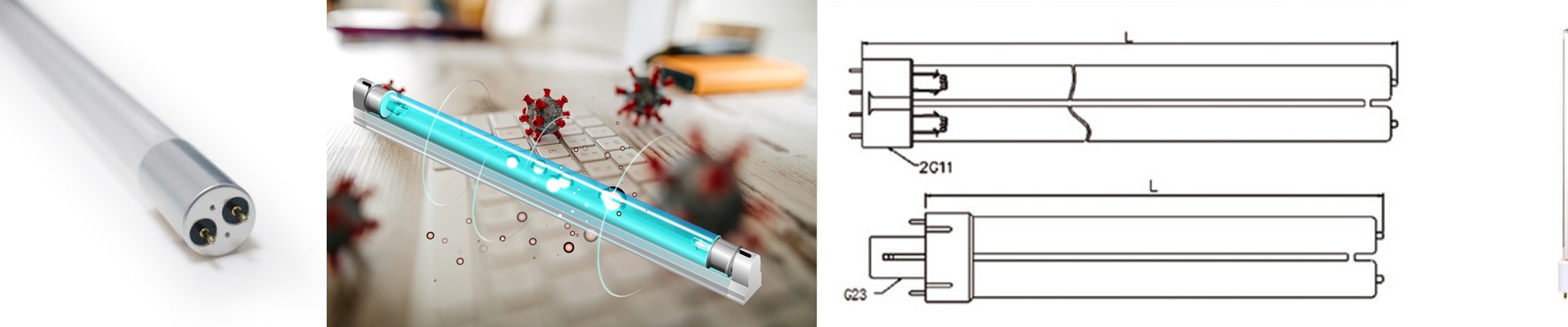
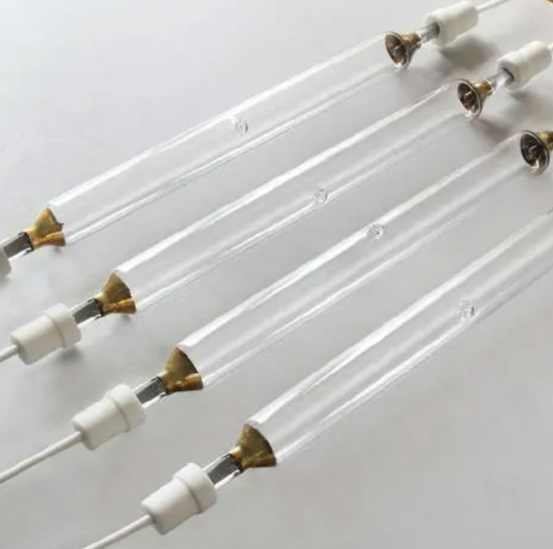
On the floor, you can’t afford to cross your fingers and hope your UVC sterilization is doing its job. A set timer isn’t a safety net. Lamp age, line voltage drift, and reflectors getting coated steal output every shift. If you aren’t measuring intensity in real time, you’re running a process that looks steady on paper—and isn’t. What actually matters, technically UVC sterilization comes down to fluence (mJ/cm²): irradiance multiplied by exposure time. The lamp’s spectral output has to line up with the target organism’s action spectrum, and you have to measure the photon flux at the work plane—not assume it. We build our UVC systems around a stable 254 nm output profile and supply calibrated radiometric data for the dose at the critical surface. Peak irradiance, uniformity, and the dose-response curve are the engineering inputs that turn into repeatable kill rates. Why it holds up in production When you add continuous intensity monitoring, sterilization stops being a schedule and becomes a closed loop. The moment irradiance drops below the validated threshold, you get an alarm—no under-dosed batches, no surprise rework. Fewer failed holds, less scrap, and cycle times you can count on. Energy use becomes trackable, and lamp changes happen based on measured output decay, not guesswork. A few shop-floor realities UVC lamp output shifts with ambient temperature and quartz fouling, so the sensor head needs to live in the same thermal and airflow conditions as the target. Make sure the setup matches your chamber geometry and reflector layout; a mismatched reflector can create hot spots and give you a false sense of security. Plan on routine recalibration to keep measurements honest—because only traceable data keeps the process defensible.