Why that CE Label Actually Matters for Your UV Lamps
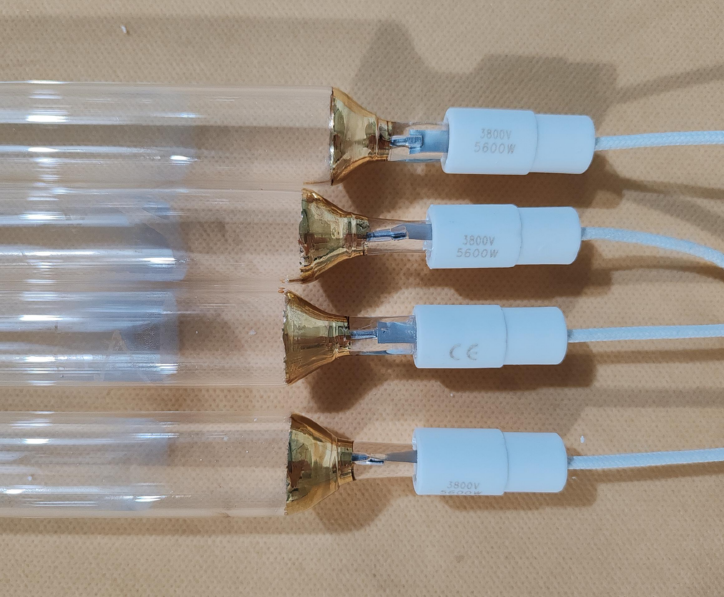
You could build a UV curing lamp that hits every single power spec on your list, but if it doesn’t have that CE mark, it’s basically a paperweight in the global market. In the world of industrial automation, that little logo isn’t just some bureaucratic hoop to jump through. It’s the only thing standing between your shop floor and a total electrical meltdown. The nitty-gritty of the engineering Here’s the thing about high-intensity UV lamps: they pull a massive amount of current and rely on high-frequency ballasts. If the shielding isn’t spot-on, that electrical “noise” leaks right into your PLC or sensor lines. Suddenly, you’ve got ghost triggers. Your system crashes for no reason. It’s a nightmare to debug. We spend a lot of time picking components that play nice with other gear. That way, you can wire these lamps into a complex line and just… trust that they’ll work. No interference, no headaches. The trade-offs (and why they’re worth it) Staying compliant means we can’t take shortcuts. We don’t use cheap insulation or flimsy grounding. We use heavy-duty cable grades and housing materials that can take the heat without melting or cracking over time. Does this make the parts list more expensive? Yeah. Does it make the power supply a bit bulkier? Sure. But it’s a lot cheaper than replacing a lamp that burned out way too early or dealing with a short circuit during a voltage spike. The real-world risk Look, most buyers in Europe or North America aren’t going to gamble their insurance premiums on uncertified gear. One electrical failure in an automated cell can kill your entire production line for the day. That’s a lot of lost money. When we stick to these standards, the lamp becomes a professional tool. It’s a drop-in replacement that fits right into a 24/7 factory environment without making anyone nervous.