Stop Treating Your UV Lamps Like Lightbulbs
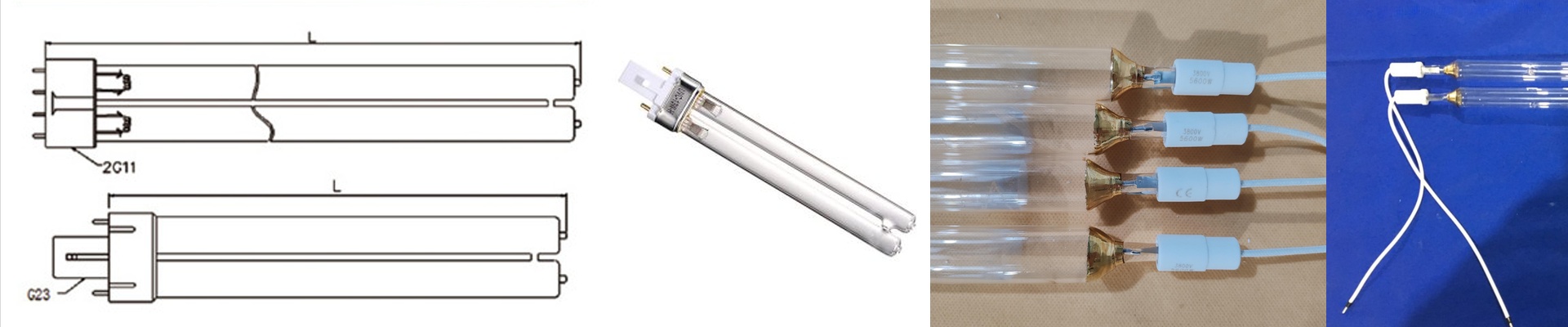
Most shops look at UV lamps and just see a tool for curing. But if you’re really pushing your process, you know it’s more about precision energy. Here’s the deal: when you need to hit that sweet spot between 250nm and 350nm, your standard mercury vapor lamps just can’t keep up. That’s why we build custom gallium iodide (GaI) lamps.
The Secret Sauce: Gallium Iodide
We use gallium iodide to plug the gap between deep UV-C and UV-A. By adding gallium to the mix, we can concentrate all that energy right in the 300-320nm band. It’s not just about “throwing light” at a part. It’s about matching the exact absorption peak of your photoinitiator. If you’re off by even 10nm, your cure rate tanks. We build these lamps to hit the bullseye your chemistry actually needs.
Dealing With the Heat
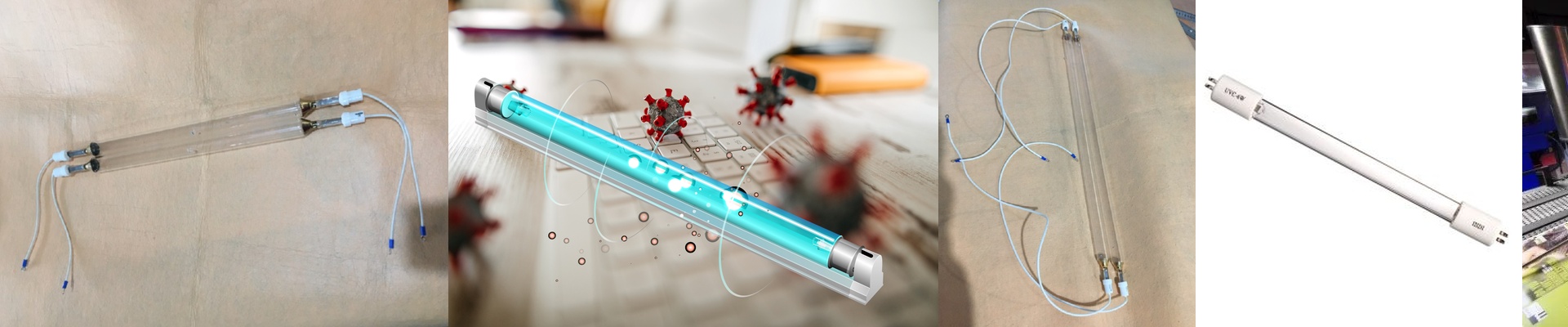
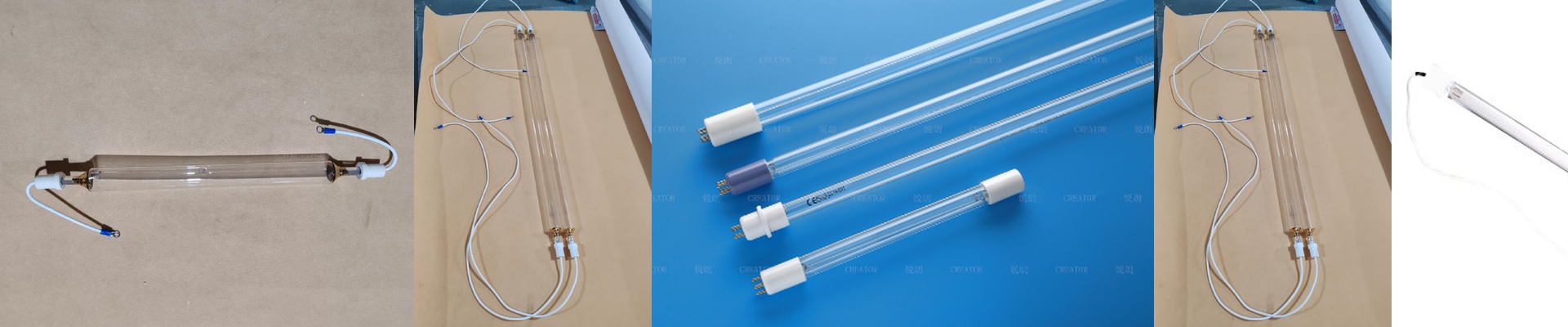
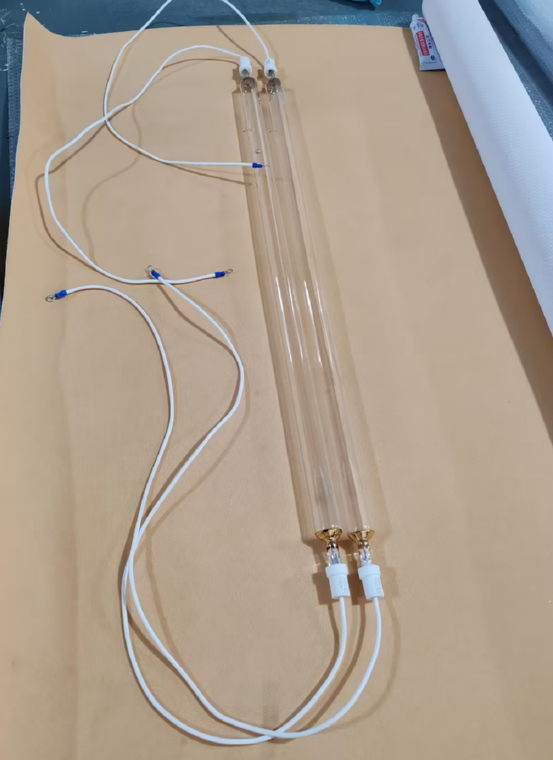
These tubes pack a punch. We use high-purity fused quartz so the glass doesn’t get in the way of the UV output. But fair warning:these things run hot. To keep the plasma stable, they generate a ton of heat. You’ve got to make sure your cooling blowers are up to the task. If your airflow is weak, you’ll stress the quartz envelope and kill the lamp’s lifespan way faster than you should.
Getting Them Into Your Line
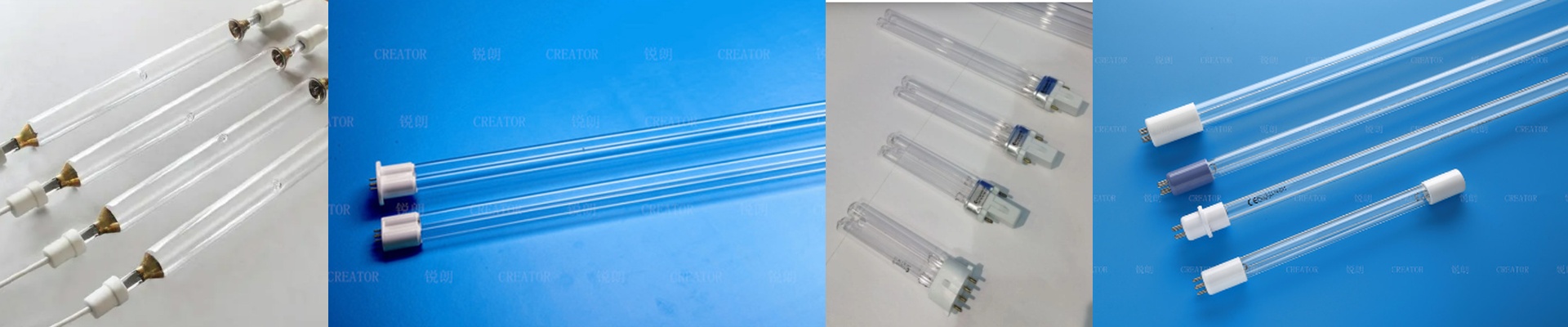
We’ve made these a breeze to install. They slide right into your existing UV tunnels or fit into custom spectroscopy rigs without a fight. Whether you’re working with thin-film semiconductors or medical polymers, the goal is simple: consistency. You get a stable output that doesn’t drift during those first 100 hours of work. Plus, we offer a few different end-cap options so you can wire them up using the power supplies you already own. Just one thing to keep in mind. Gallium lamps don’t warm up the same way mercury tubes do. You’ll need to tweak your line speed timing to account for that curve.