Making UV Lamps That Actually Last (And Don’t Mess Up the Planet)
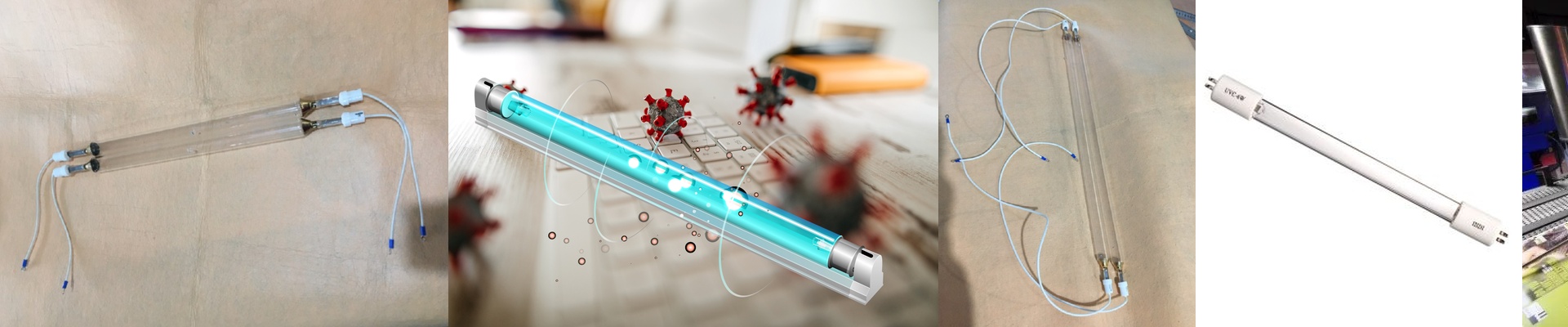
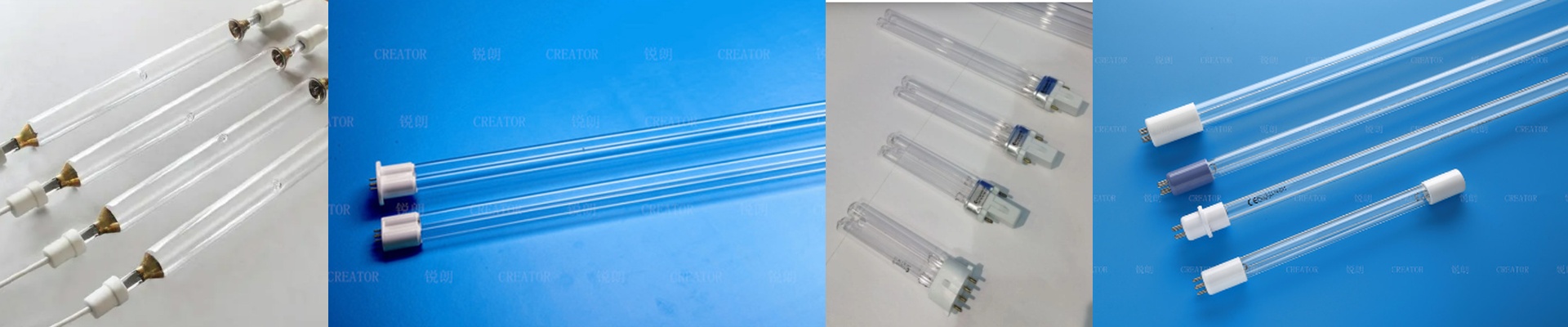
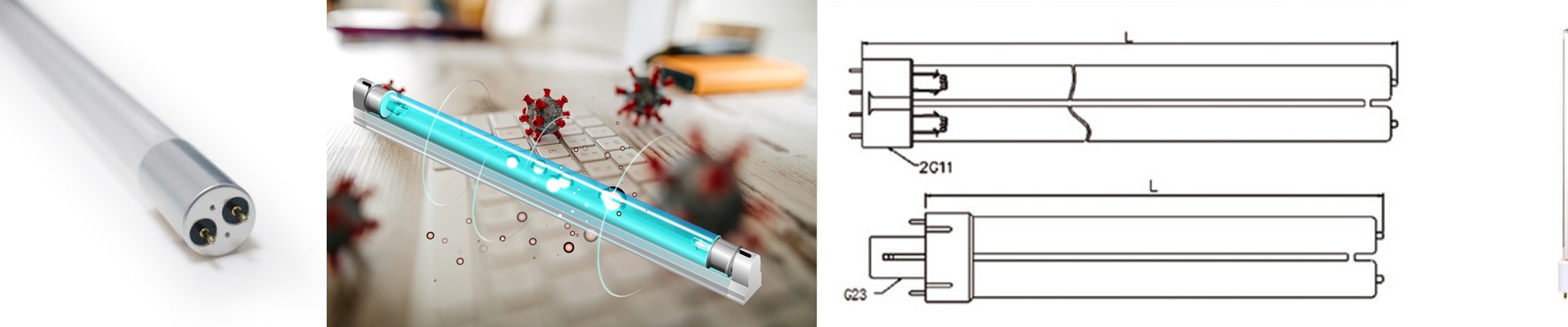
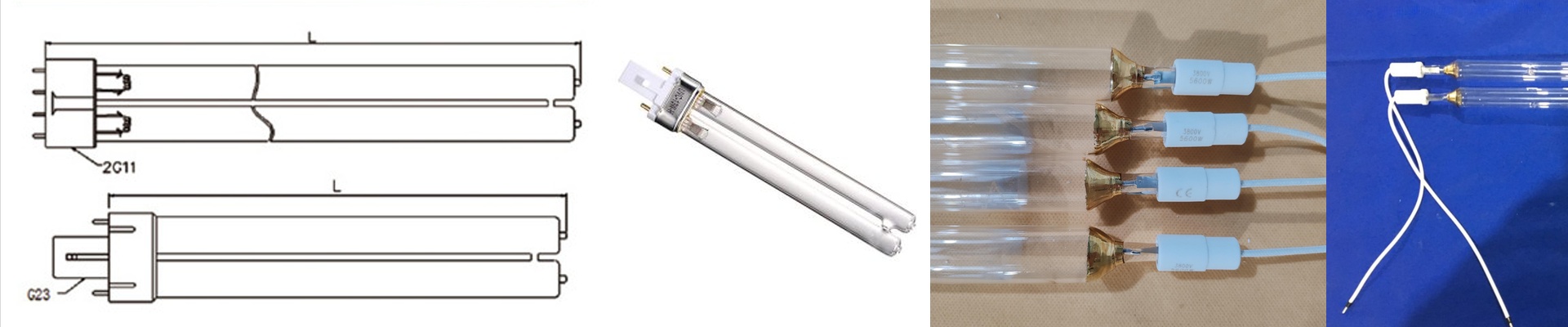
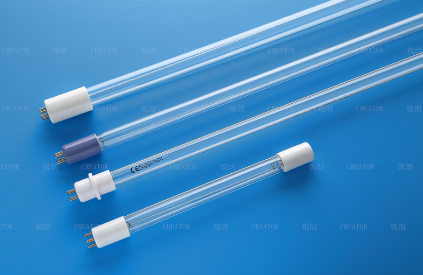
Most of us are used to the standard mercury vapor lamps. They work, sure, but they’re a nightmare to get rid of once they die. That’s why we shifted our focus to gallium iodide (GaI). These lamps hit a sweet spot—usually between 253.7nm and 310nm—that fills the gap where other sources fall short. We built them specifically for the kind of industrial curing and sterilization where you can’t afford to have chemical runoff leaking into your workspace. The science bit, simplified Here’s the thing: by using gallium iodide instead of mercury, we can change how the light behaves. It penetrates deeper into polymers and biological membranes. We spent a lot of time messing with the gas pressure and the electrodes to get the intensity just right. The result? You get this concentrated overlap of UV-C and UV-B. It speeds up the way resins cross-link, and you don’t have to deal with the toxicity of heavy metals. It’s just cleaner. Built to stick around We got tired of seeing UV lamps die early, so we changed how we build them. First, we ditched the lead-based solders. Then, we switched to high-purity synthetic quartz. If you’ve used UV lamps before, you know they tend to get “cloudy” over time—solarization. It kills your output. Our quartz resists that. We also tweaked the shape of the electrodes. This stops material from sputtering and gunking up the inside of the tube. It means you aren’t swapping lamps every few weeks, which means less hazardous waste heading to the landfill. The real-world stuff We made these as drop-in replacements. You shouldn’t have to rip out your entire rig or redesign your housing just to make them fit. They just slide in. But, there are a couple of things you need to watch out for. GaI lamps don’t warm up the same way mercury lamps do. You can’t just flick the switch on and off like a kitchen light. If you do, you’ll fry the electrodes. Also, check your gear. Your ballast needs to be set for the specific strike voltage of GaI, otherwise, you’ll get flickering or a premature burnout. And please, check your fans. If you aren’t moving enough air, the heat builds up, the wavelength shifts, and your curing efficiency just drops off a cliff.