Dealing with Electrical Noise in Big UV Curing Setups
If you’ve got a shop full of large-scale printing presses, you know the headache. You aren’t just dealing with ink and paper; you’re dealing with a mess of electromagnetic interference (EMI). High-frequency ballasts and power supplies from one machine love to bleed noise into the one right next to it. If your UV lamps aren’t built to handle that, things go south quickly. You get flicker. You get unstable output. Or worse, your ballast just gives up the ghost way earlier than it should.
How we keep things quiet
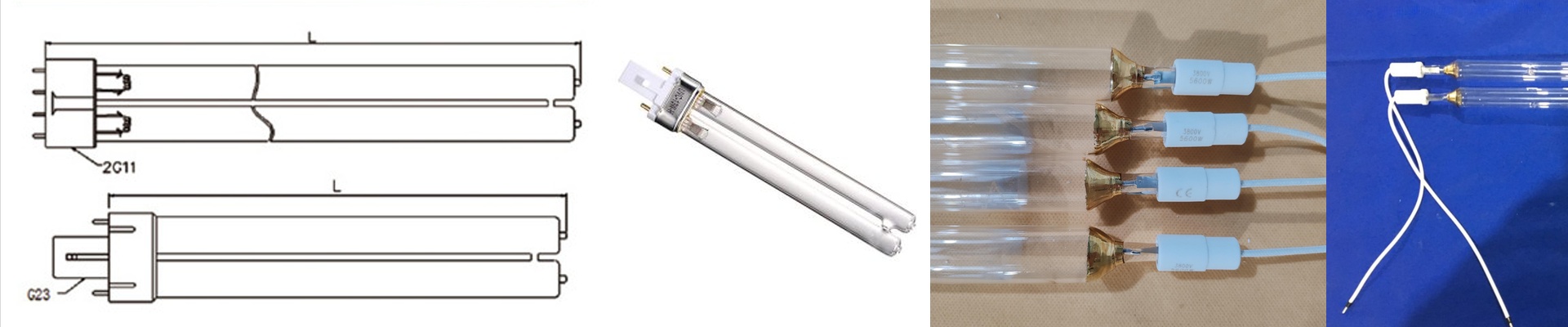
We build our custom UV lamps to survive these kinds of noisy environments. The secret is in the shielding and how the circuitry is laid out. See, most standard lamps use basic wiring. The problem is that this wiring basically acts like an antenna, soaking up stray currents from every motor and drive on the floor. We fix that by using reinforced shielding and grounding paths that actually work. It keeps the arc stable. Even when your factory floor feels like an electrical storm, the lamp stays steady. And that stability is everything. If the lamp fluctuates, your ink doesn’t cure evenly. You end up with those annoying “wet spots” or ink that just won’t stick. We also spend a lot of time on impedance matching between the lamp and the power source. It stops those reflective waves from bouncing back and frying your electronics.
The trade-off
Here’s the catch: better interference rejection takes more gear. We use heavier shielding and tighter component tolerances. This means the power supply has a bigger footprint and the lamp head is a bit heavier. Just a heads-up—you can’t just bolt these onto a flimsy, lightweight chassis without double-checking your mount points first. They’ve got some heft to them.
Real-world printing
Imagine ten presses running side-by-side. The amount of EMI in the air is massive. Our design ensures that Lamp A doesn’t freak out the sensors on Lamp B. We handle the isolation at the hardware level. You get a steady cure rate regardless of how many other machines are pulling power from the same grid. It’s simple. We keep the power clean so the chemistry can do its job.