Technical Deep-Dive: Power, Voltage, and Dimensions
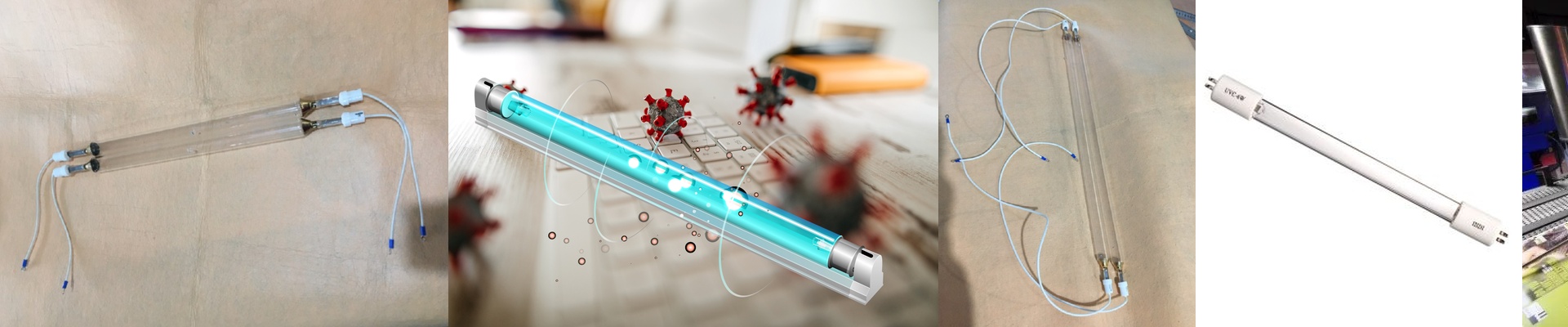
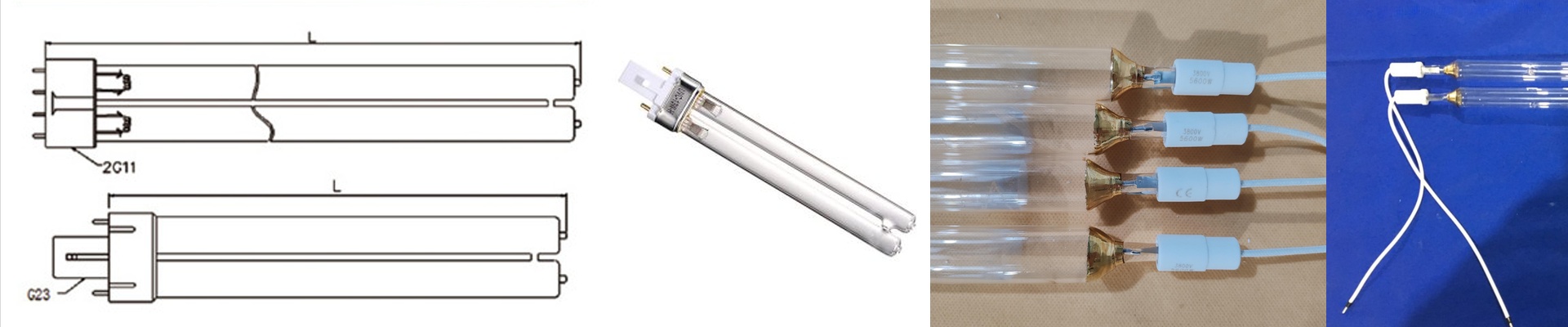
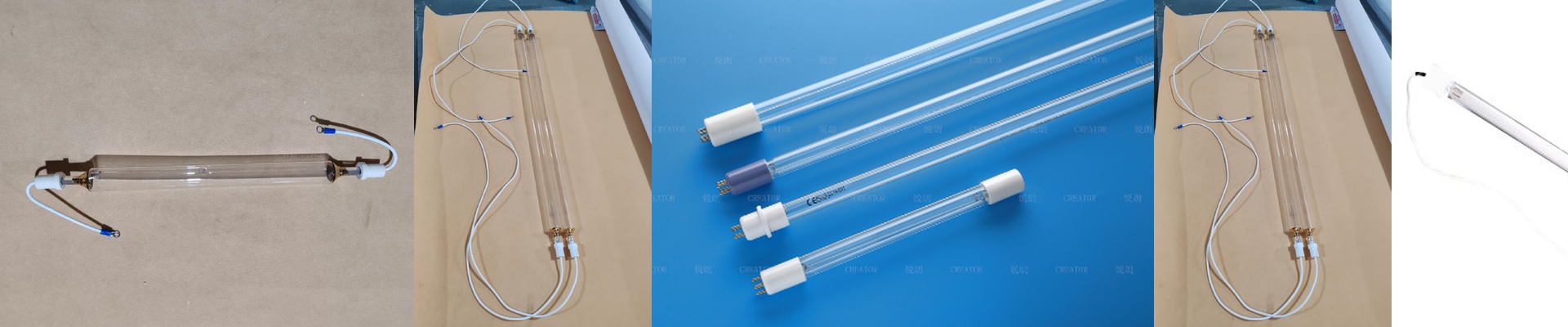
We build these UV curing lamps for the factory floor, not some quiet lab. These are machines made for the real world—built around the specific demands of high-density printing lines. Here’s the thing: our systems run on 400V. That’s not by accident. It gives us the stable, high-current power needed to keep the arc inside the tube rock-solid, even when other heavy machines on the same line are pulling serious juice. The payoff? Consistent output that doesn’t budge, no matter how much electrical noise is bouncing around the plant. The lamp length and wattage are matched to the curing zone. Take our 300mm, 2500W tube—it throws down intense, focused energy. That kind of power density is exactly what it takes to fully cure inks and coatings in one pass. But that output comes with a catch. It demands serious thermal management. If the cooling system isn’t spec’d to handle the ambient heat, you’ll shorten the lamp’s life—and nobody wants that.
Material & Design: The Anti-Interference Core
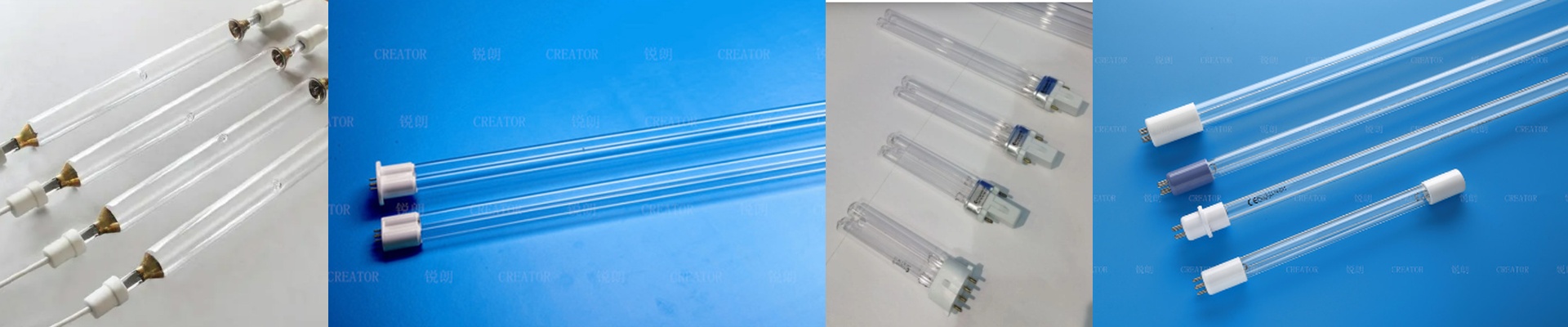
Stability starts with what we build these things out of. We use a quartz tube with a specialized coating that filters the output spectrum. It targets the exact UV wavelengths needed for curing, while blocking excess infrared heat. It also makes the tube tough—so it can handle the constant vibration and thermal cycling without breaking a sweat. And the connectors? They matter more than you’d think. We spec out R7s bases for a secure, low-resistance electrical connection. That prevents voltage drops and flickering. The robust connection keeps the lamp ignoring the electrical interference from nearby motors and drives, so you get a clean, steady burn every single time.
Application & Benefits: Reliability in the Press Room
In a press room packed with large printing machines, electrical noise is just part of the job. Standard lamps will flicker, dim, or burn out way too soon. Our custom UV curing lamps are built to shrug off that noise. With stable output, you get consistent curing speeds and quality from start to finish. It’s a reliable, drop-in replacement that keeps your line moving—without constant maintenance stops. For engineers, that means fewer failures and a predictable operating window, even in the harshest electrical environments.