Outdoor canvas gets hammered—sun, rain, and temperature swings. If the UV cure doesn’t go deep enough, pigments lift and the image starts to fade. So the real question is practical: how many years of color stability can you actually get from a UV-cured print?
Power, spectrum, and cure depth
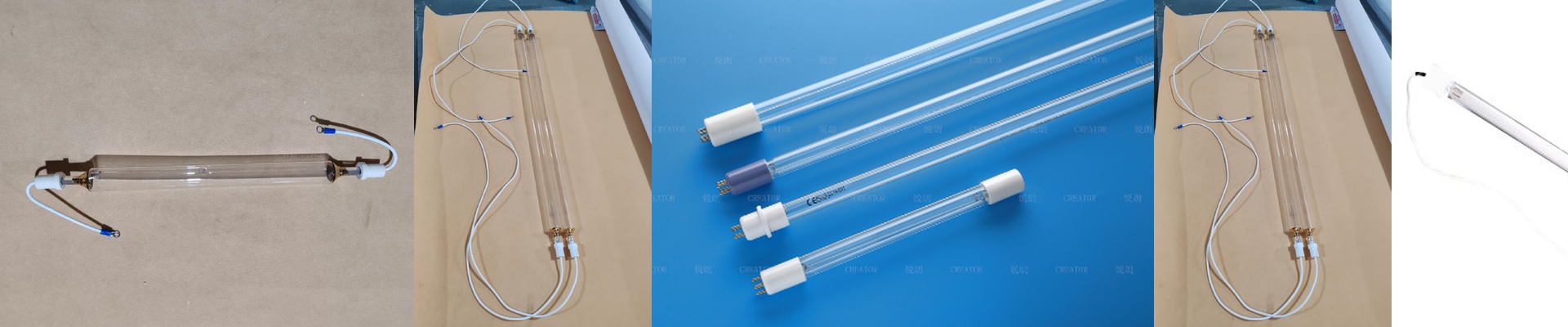
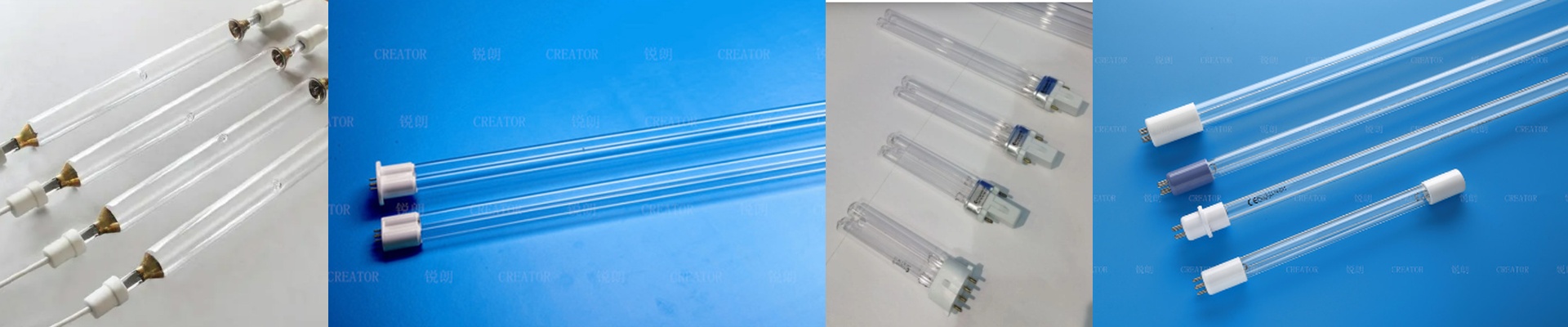
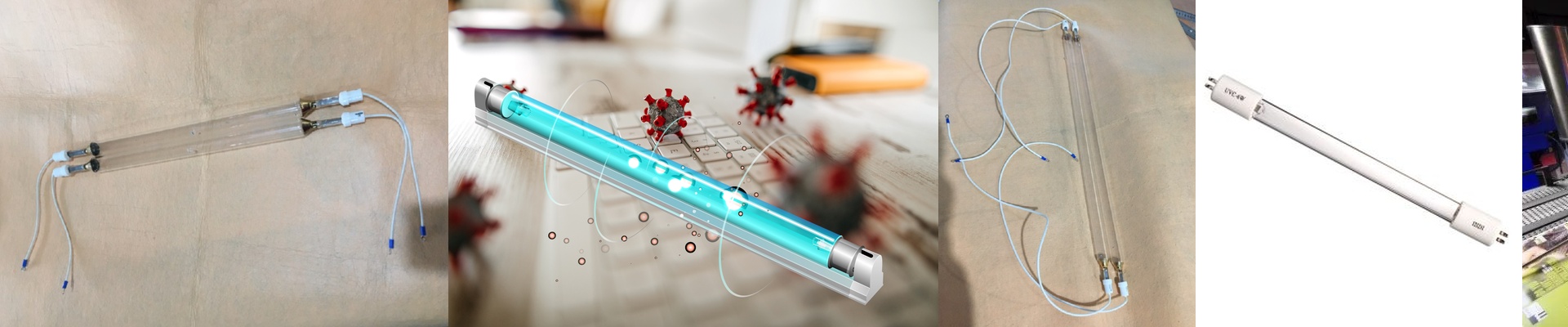
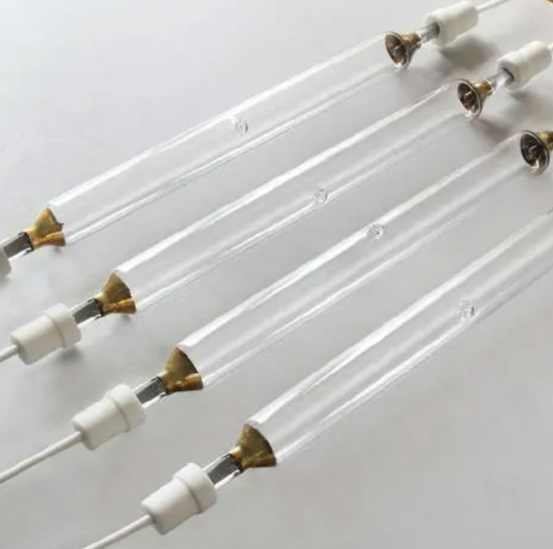
Uvitron UV curing lamps are built around high-pressure mercury vapor lamps, tuned for repeatable spectral output. The dominant lines at 365 nm and 366 nm are what drive deep cross-linking in acrylate-based UV inks and coatings. Peak irradiance at the substrate plane hits 1.2–1.8 W/cm², putting 600–1200 mJ/cm² down in a single pass on typical canvas profiles. That kind of energy density exhausts the photoinitiators through the full ink layer, not just at the surface. The reflectors use high-purity anodized aluminum with a dichroic coating, biasing output toward the short-wave UV that pigment-loaded formulations need. Output stays stable over 2000 hours, with less than 8% drop in irradiance when you stay within the rated operating envelope.
Why this works for outdoor canvas
Outdoor durability starts at the molecular level. A full cure at 365 nm keeps residual monomers and unreacted photoinitiators in check—those are the usual culprits behind chalking and yellowing under UV exposure. Accelerated weathering on coated canvas samples shows ΔE < 2 after 2000 hours of xenon exposure when the ink is cured to ≥800 mJ/cm². In the field, that typically translates to 3–5 years of color retention, depending on pigment load, coating thickness, and local climate. You also get faster throughput: instant on/off, no warm-up, and consistent curing at speeds up to 120 m/min without solvent flash. Energy draw is predictable—typical systems run 1.2–2.0 kW, with power density matched to the web width.
Installation and compatibility notes
These lamps are ozone-free and run cooler than older designs, but heat still needs managing. Keep forced air moving across the lamp and reflector, maintain the airflow paths, and keep the quartz sleeve clean. Integrate the lamp into your printer with the correct busbar or connector, align the focal plane to the substrate, and verify spectral output with a calibrated radiometer at the web surface. Compatibility comes down to the photoinitiator package—formulations tuned for 385–405 nm cure faster, but they can underperform on 365 nm systems. Plan lamp replacement around 2000–3000 hours to keep irradiance where you need it.