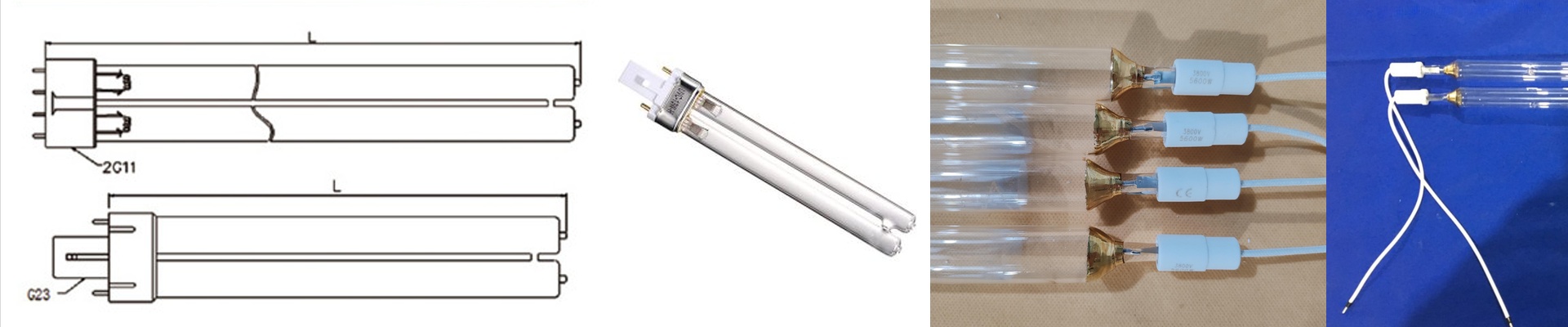
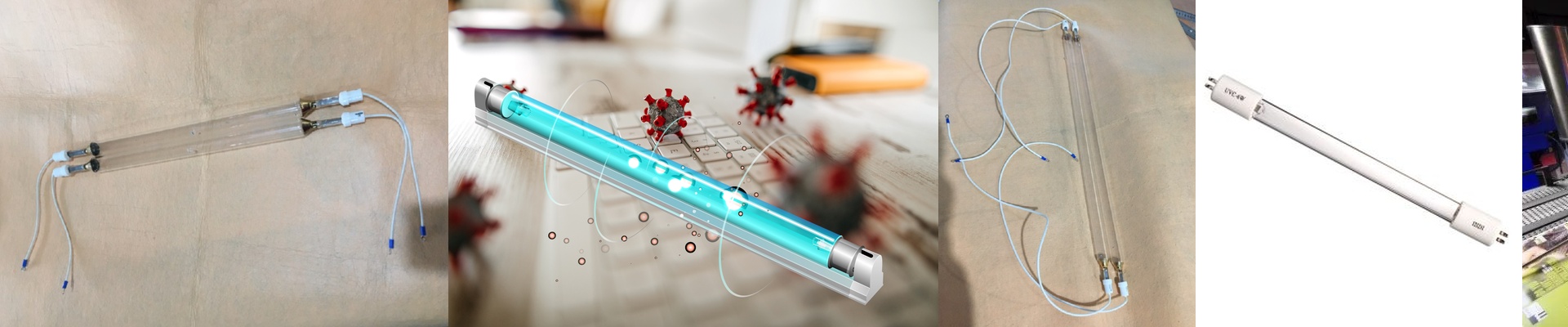
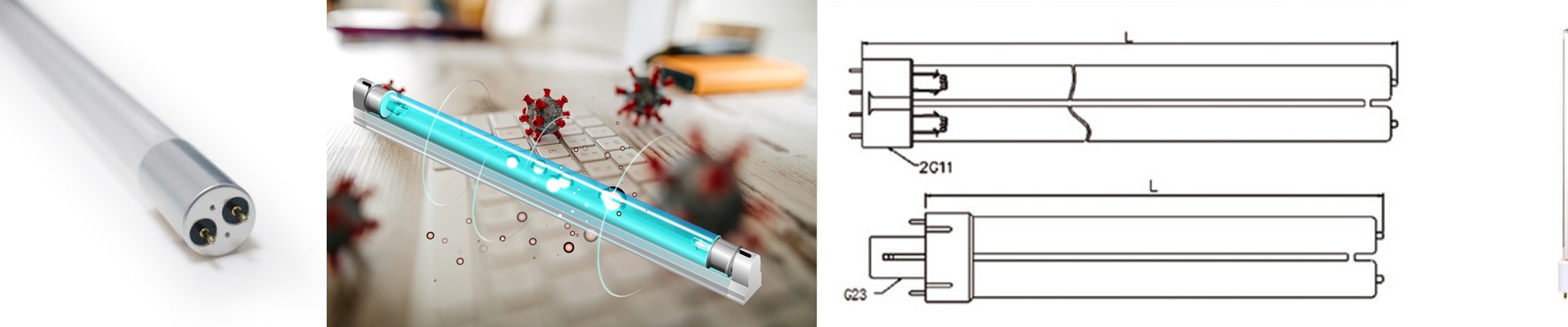
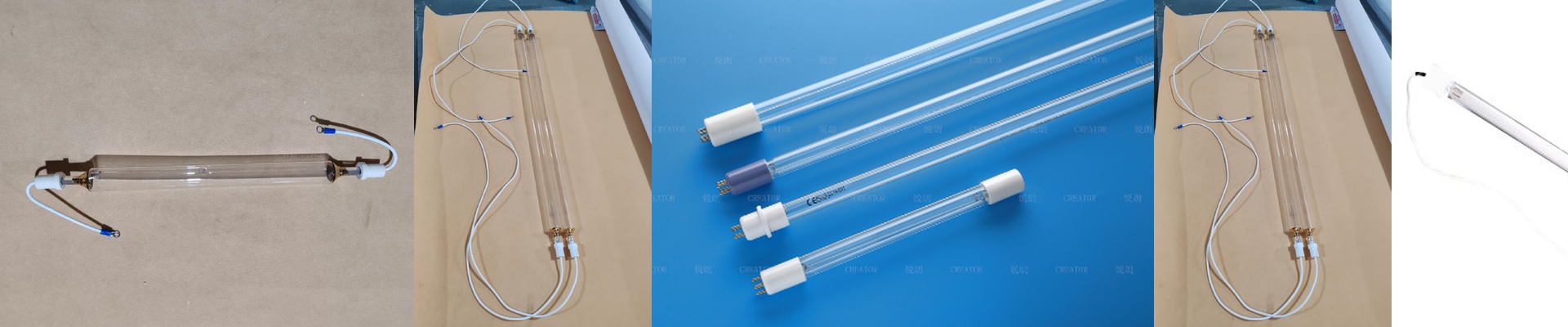
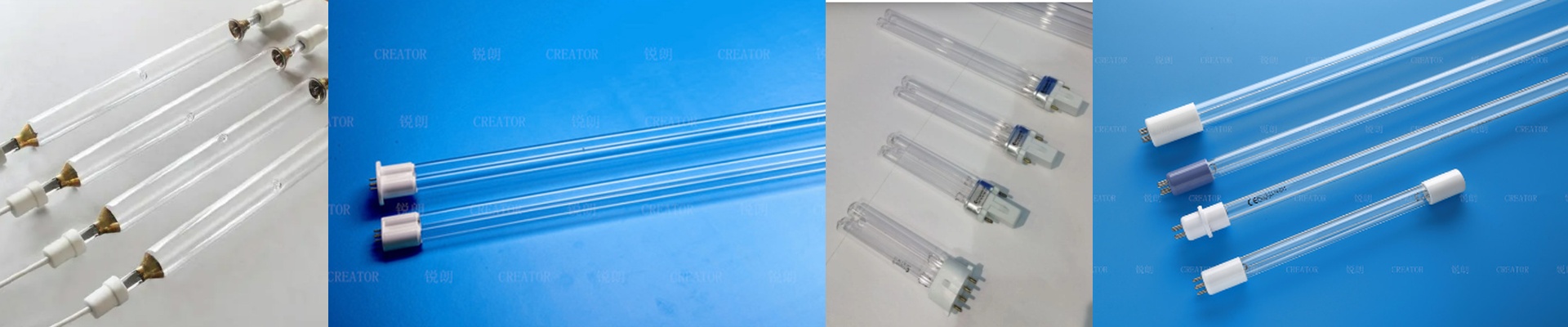
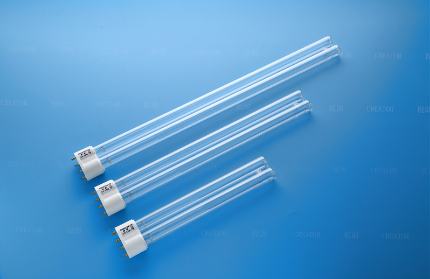
On the press floor, a UV lamp that won’t strike isn’t just a lamp issue. It’s lost makeready, scrap substrate, and a line of jobs backed up. Laguna UV lamp replacements are built to stop start failures by treating the trigger and lamp as a matched electrical pair. Not interchangeable parts. What actually matters UV curing lives or dies on stable spectral output and repeatable ignition. The trigger’s job is simple: deliver a high-voltage pulse that reliably ionizes the mercury vapor, then let the ballast take over and hold the arc steady. We spec lamps with consistent internal fill pressure and electrode geometry so the breakdown voltage stays predictable. You should see stable peak irradiance across the 365–405 nm band, with output held right where the reflector is designed to focus it. When the trigger and lamp are truly matched, warm-up drift drops—so the first sheet cures the same as the thousandth. Why this plays in real presses In UV offset, flexo, and screen lines, a trigger-to-lamp mismatch shows up as random strike failures, flicker, and uneven cure. Half the time the ink gets blamed, when it’s really the ignition. Our Laguna replacements are calibrated to the electrical profile of the original fixture—pin configuration, arc length, and connector type. The payoff: fewer start-stop cycles, less substrate waste, and cross-linking that stays consistent. Over a full shift, throughput goes up and energy per part goes down, because the system spends less time re-striking and settling back in. The practical details Match the lamp to the trigger, not just the socket. Check voltage, current, and arc length against the machine’s ballast spec, and confirm the reflector’s dichroic coating lines up with the spectral window you’re running. Handle the lamp by the ends only. Fingerprints on the quartz will bake on, create hot spots, and shorten life. You get the best performance when the whole UV module—lamp, trigger, reflector, and airflow—is treated as one serviceable system, not a pile of parts.