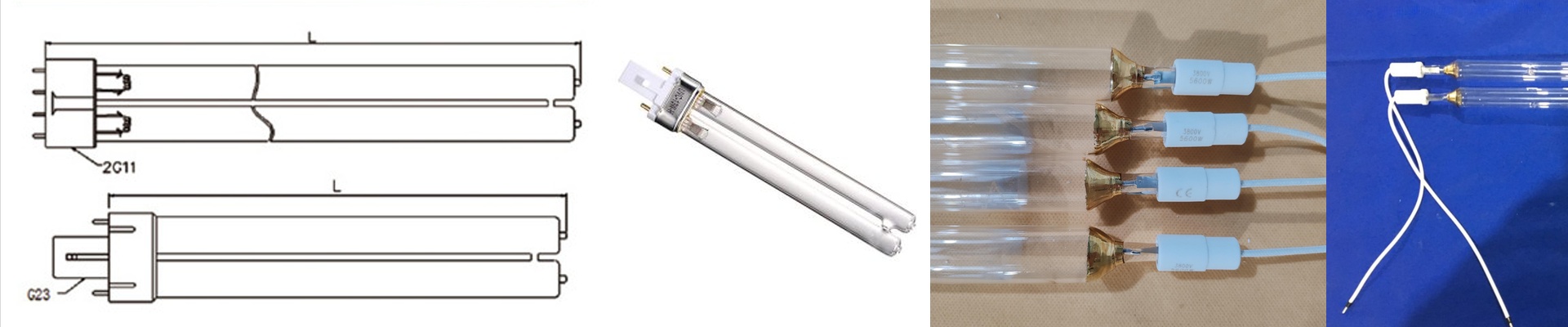
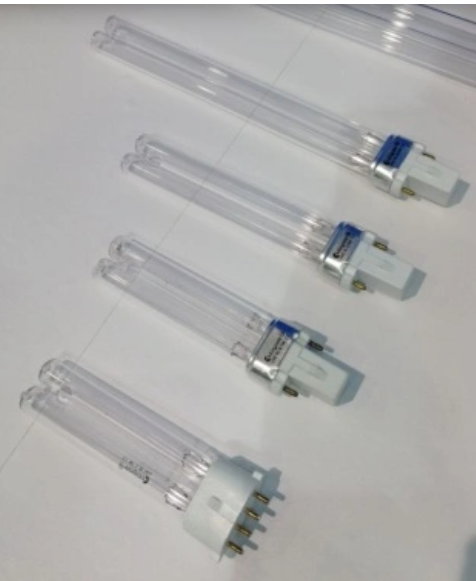
On the floor, mismatched UV spectra eat into throughput—too much heat, not enough cure, and photoinitiators that just sit there. The Dymax UV spot curing lamp cuts through the guesswork with spectral output that’s engineered, not hoped for. What matters, technically We tune the UVA/UVB/UVC balance by tweaking the mercury vapor mix and the dichroic reflector coating stack. That shifts the spectral energy distribution so the lamp lines up with the absorption curve of your ink or adhesive photoinitiator. Output is measured right at the work plane: peak irradiance (mW/cm²) and energy density (mJ/cm²) are repeatable, so you can qualify a real process window. The quartz envelope and the reflector geometry are optimized to hold spot size steady, so intensity doesn’t drift when you focus the beam for a 365 nm, 385 nm, or 405 nm requirement. Why it works in production When you need selective curing on heat-sensitive substrates, narrow-band targeting cuts thermal load while speeding up cross-linking. Dwell gets shorter, rejects drop, and cure stays consistent run after run—without overexposing surrounding materials. Energy use falls because power lands where it’s absorbed, not wasted across a broad spectrum. On the line, that means cure-on-demand that stays put, fewer recalibrations, and lamp life that can take long shifts. Things to keep straight Spectral tailoring depends on the application—you have to match lamp output to the photoinitiator and the substrate. Expect some output drift over lamp life, so schedule periodic radiometer checks and set control limits on irradiance. Before you integrate into an existing spot-cure station, confirm the mechanical and electrical interfaces—mounting, connector, and power supply—so the install doesn’t fight the machine.