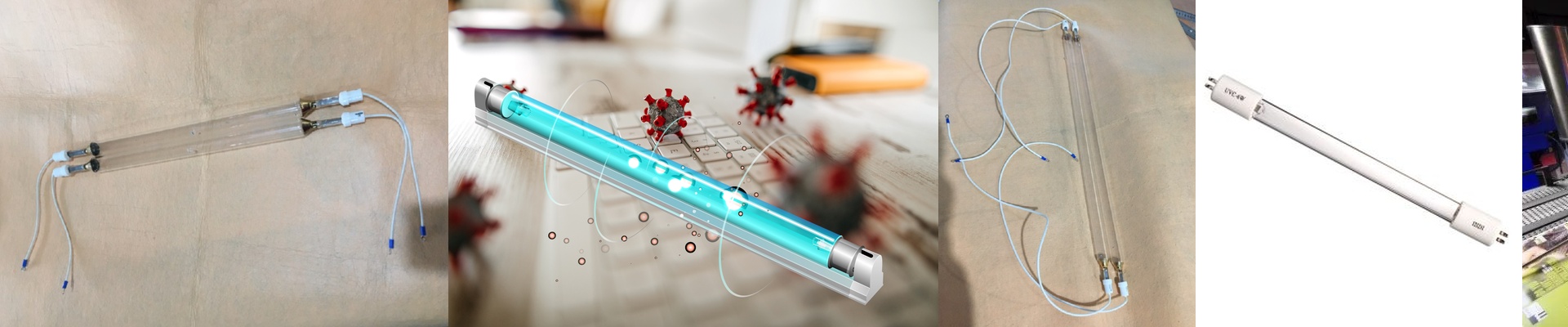
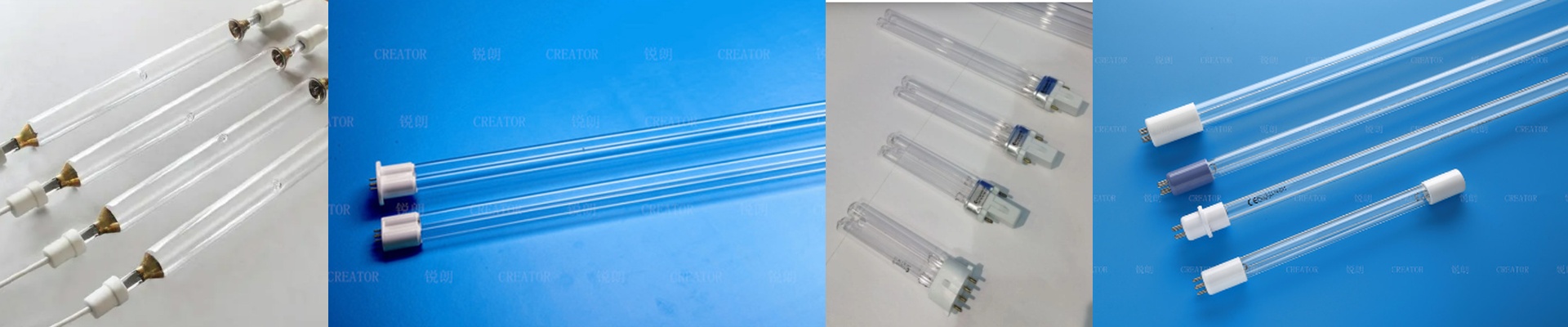
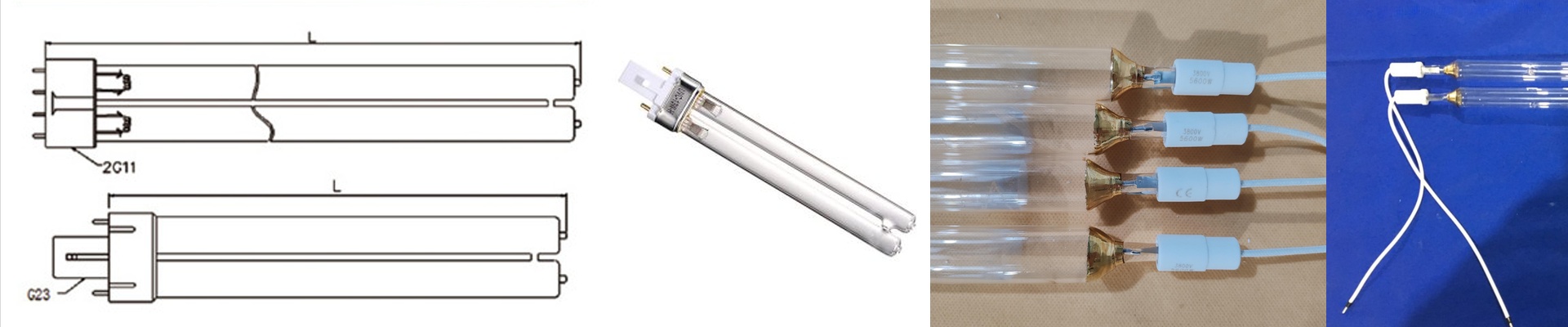
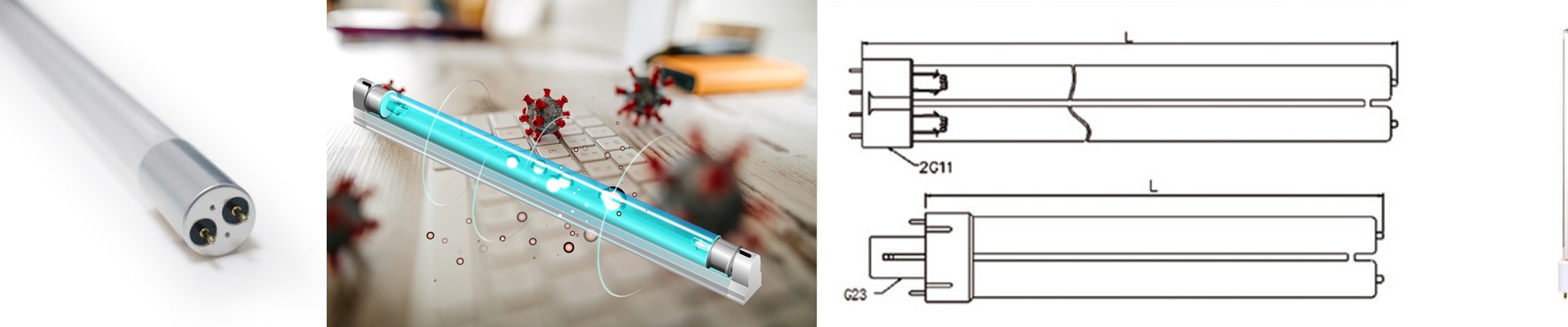
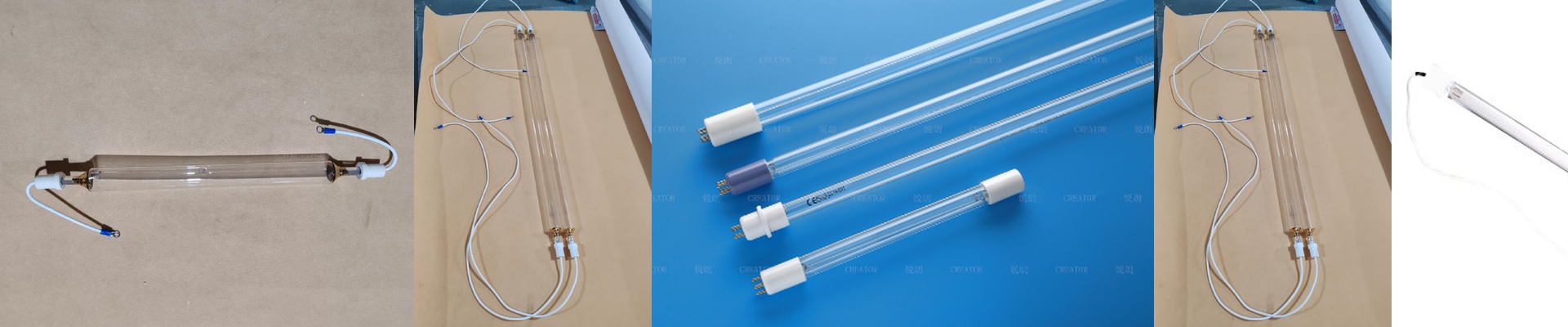
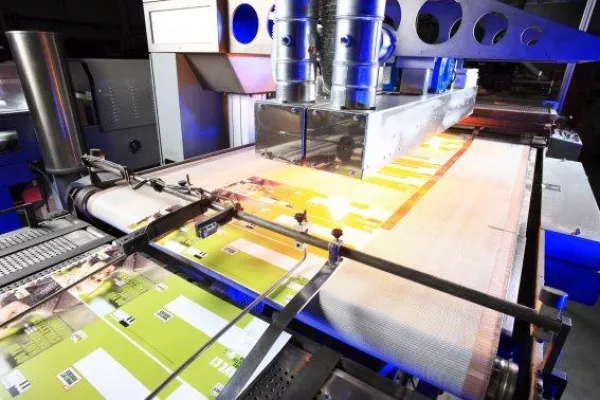
On a cold-chain line, it’s always cold, always damp, and the schedule never eases up. At -20°C, a lot of UVC lamps don’t just underperform—they fall apart. Output sags, warm-up drags, and the microbial kill rate gets sketchy. In cold storage or refrigerated logistics, that uncertainty turns into real risk: surfaces that don’t get properly hit, cycle times that balloon, and lamps that die early. The question isn’t whether UVC can disinfect. It’s whether the lamp can hold its spectral output when the environment is doing everything it can to fight you.
What actually matters, technically
A UVC germicidal lamp is only as good as the stability of its output in the conditions it runs in. For low-temperature cold-chain work, the engineering comes down to wavelength, power density, starting behavior, and keeping the arc tube in its sweet spot. Wavelength and action. The germicidal punch peaks near 254 nm, where DNA and RNA absorb strongest. We use an ozone-free low-pressure mercury vapor source with a stable 254 nm line. In practice, that means photon delivery stays consistent on the target surface—no shifting spectrum as lamp temperature changes. Power density and delivered dose. Dose is irradiance multiplied by exposure time. We target a minimum irradiance of 20 mW/cm² at 1 meter under stable conditions, measured with a calibrated UVC radiometer. That gives a practical dose window for surface disinfection on typical cold-chain packaging materials without needing long dwell times. If line speed changes, irradiance has to hold steady so dose stays in spec. Starting at -20°C. Cold arc lamps struggle to strike and stay lit. Ignition voltage has to stay within the ballast envelope, and the electrodes have to get to stable emission fast. Our lamps start within 3 seconds at -20°C and reach 90% of rated output within 60 seconds. That matters on night shift, when a door opens, ambient drops, and you need repeatable performance right away. Thermal management and stability. A UVC lamp is, at heart, a thermal device. If the arc tube runs too cold, mercury condenses and output tanks. If it runs too hot, the envelope and components age fast. We use a low-thermal-mass arc tube geometry and a reflector system that focuses energy forward while limiting backheating. Result: output stays within ±3% over a -20°C to +10°C ambient range once stabilized. Lamp life and output decay. In cold environments, repeated thermal shock from frequent starts accelerates electrode wear. We specify a rated life of 8,000 hours with less than 10% output decay to end-of-life under normal cycling. For cold-chain duty, that translates into fewer replacements and fewer unplanned stops. Reflector efficiency and beam control. The reflector isn’t decoration—it shapes the field. We use high-purity anodized aluminum with a tight specular profile to keep a usable irradiance footprint on moving surfaces. That keeps dose uniform across the conveyor width, not just down the centerline. Electrical and mechanical. The lamp system runs on a universal input ballast, 100–240 VAC, 50/60 Hz, with rated power matched to lamp length and duty cycle. The quartz envelope handles thermal shock, and the end caps are sealed against moisture ingress. The lamp housing is IP65 to deal with condensation and washdown.
Why this approach holds up in the cold
Cold-chain facilities are rough on conventional UVC systems. The cold steals starting energy, condensation invites electrical leakage, and constant temperature swings stress materials. A lamp designed for the cold needs to do three things: start fast, hold output, and survive the environment. Fast starts keep the line moving. In a refrigerated packing room, doors open and close all the time. Ambient swings are routine. A lamp that needs minutes to warm up becomes a bottleneck. Our lamp strikes immediately at -20°C and stabilizes quickly. You get consistent microbial reduction without waiting for the room to “cooperate.” Stable output means repeatable disinfection. If irradiance drifts, your dose drifts. With controlled spectral output at 254 nm and irradiance held within ±3%, you can set a validated conveyor speed and distance that delivers the same dose shift after shift. That repeatability is what moves you from hopeful to documented performance. Low-temperature design cuts downtime. The envelope, seals, and ballast are all selected to handle thermal contraction and condensation. The lamp housing vents moisture and keeps the arc tube in its designed operating window. That reduces premature failures from thermal shock and moisture ingress—two of the usual reasons lamps get replaced in cold-chain duty. Energy use and maintenance are measurable. The system draws power according to the required irradiance, and the ballast maintains constant output without overdriving the lamp. Fewer lamp changes mean fewer line stops and less labor. In a 24/7 cold-storage operation, that adds up to real throughput and lower total cost of ownership.
The practical details you need
No system does everything. Match the lamp to the job, and plan for the environment as it really is. Compatibility. The lamp is built for ozone-free operation at 254 nm. It fits standard UVC fixtures with G13 bi-pin bases and works with common ballasts rated for low-temperature starting. Check your fixture socket type and ballast compatibility before installation. Clear line of sight. UVC is line-of-sight. Shadows from packaging, pallets, or equipment cut effective dose. Place the lamp to hit the target surface directly, and use reflectors to minimize shadows. Material and human safety. UVC at 254 nm is hazardous to skin and eyes. Enclose the lamp and interlock the fixture so the system can’t run when the shield is open. Post the right signage and train the crew. The lamp is ozone-free, but engineering controls are still required. Condensation and cleaning. In cold, humid conditions, condensation happens. Keep the lamp and reflector clean—contamination on the envelope or reflector drops irradiance. Use a non-abrasive cleaner compatible with quartz and anodized aluminum, and follow the facility’s sanitation protocols. Installation constraints. The lamp is engineered to operate down to -20°C ambient. If your facility goes colder, talk through the specific ballast and envelope options. The housing is IP65, but the power connection and wiring still need to meet your site requirements for cold, wet locations. If you run cold-chain logistics, the temperature isn’t changing for your equipment. The equipment has to change for the temperature. A UVC lamp that starts, stabilizes, and holds output at -20°C turns a variable into a constant—one less headache when the door opens and the clock keeps ticking.