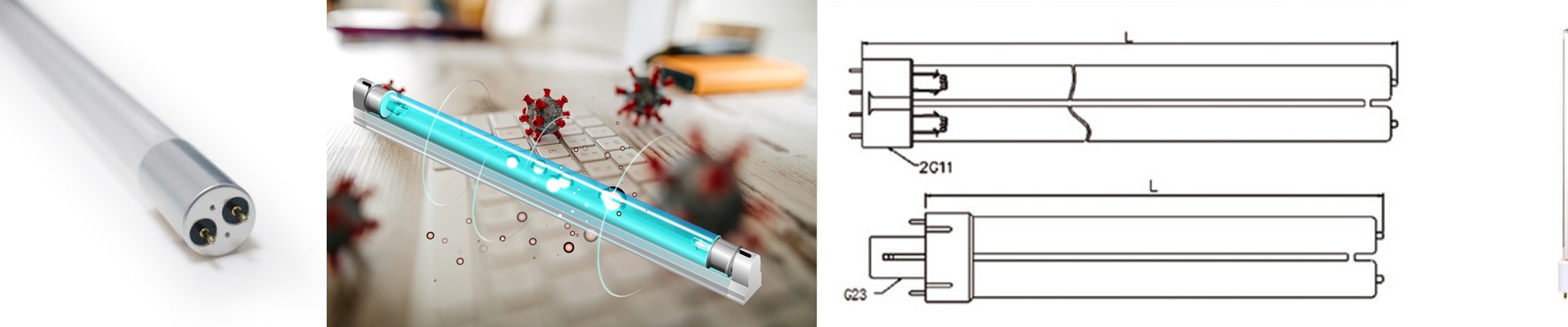
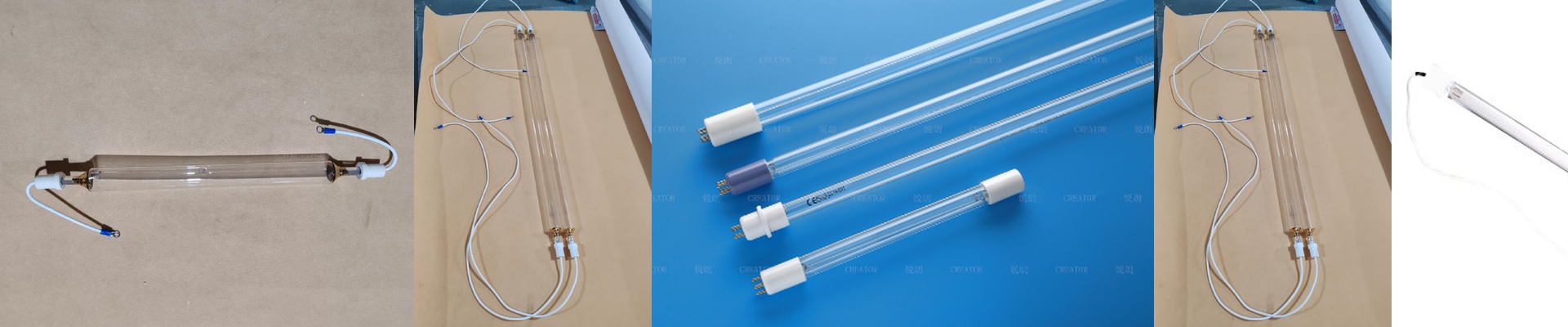
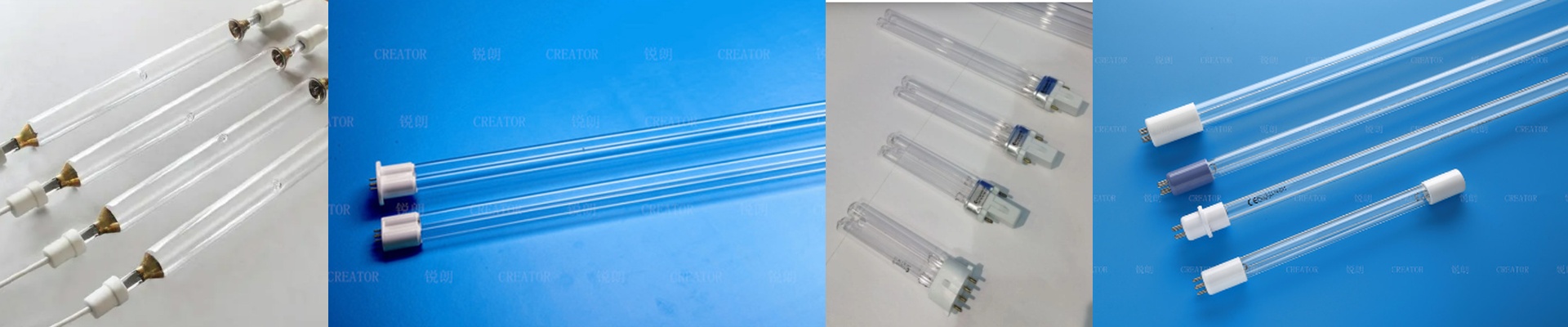
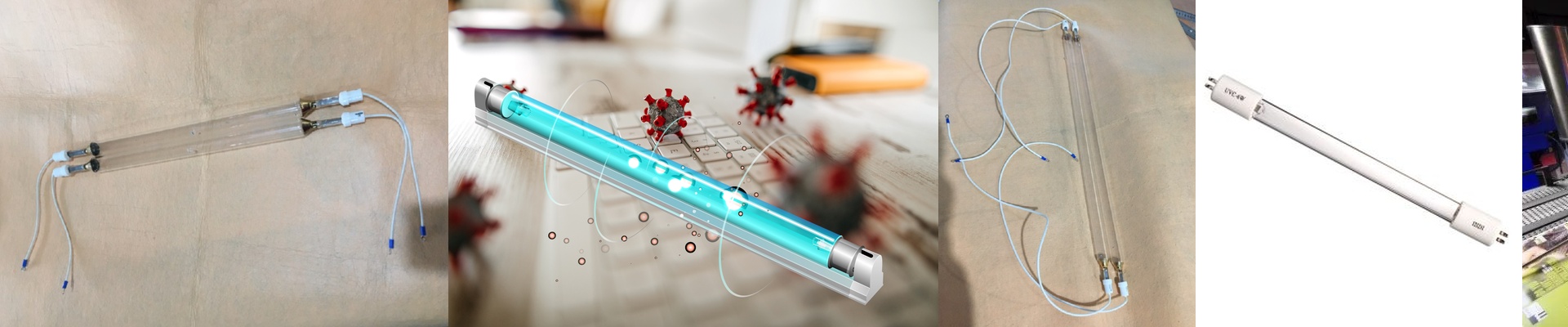
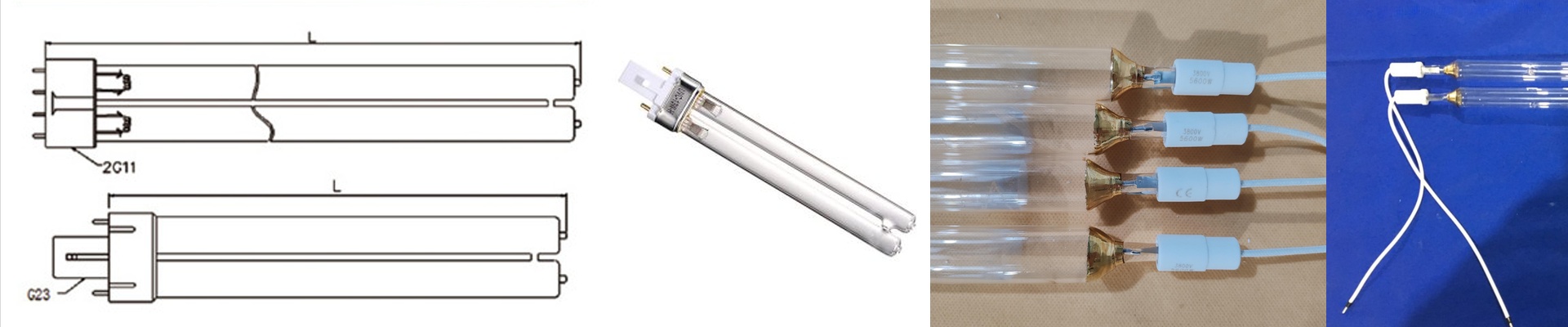
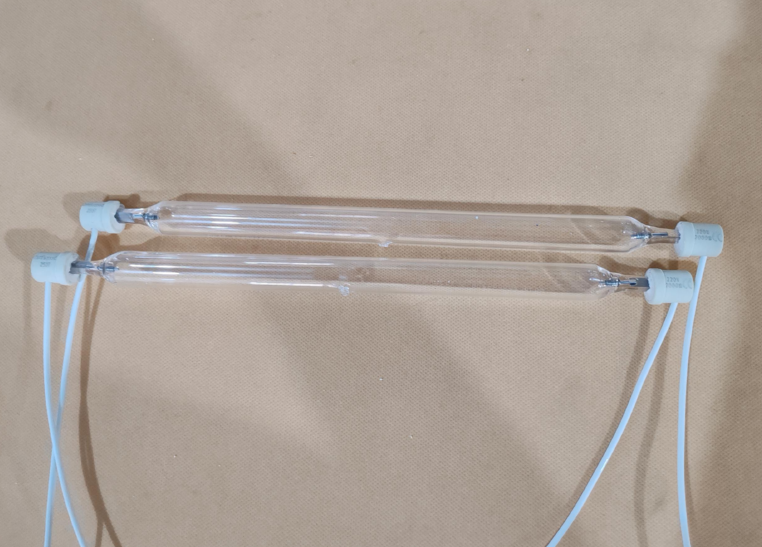
Print plants live and die on margins, and the UV curing power bill can quietly creep into six figures. The question isn’t whether to cure—it’s how to cure with a lot less electricity while still driving fast, complete cross-linking. We built a mercury UV lamp system that attacks the real money sink: radiant energy that never makes it to the photoinitiator. What matters under the hood is the spectrum. The bulb uses a high-pressure mercury vapor discharge, tuned so the output stacks up where most ink formulations actually absorb—right around 365 nm. That tight, high-intensity profile boosts peak irradiance at the substrate, packing more photons per square millimeter and speeding photoinitiator decomposition. The quartz envelope is dichroic-coated to reflect IR back into the arc. That cuts convective heat onto the web and reduces the load on the air-handling. Paired with a high-reflectance elliptical reflector, you get more delivered energy density (mJ/cm²) at lower input watts. And the arc length and electrode design hold output steady over life, so the spectral output stays consistent even after 3,000 hours. On offset, flexo, and screen lines, the savings stack up shift after shift. You keep the same curing window—fast cross-linking, full surface cure, and adhesion—but draw less power per lamp and take a bite out of peak demand. Typical installs show up to 20% lower electricity use on the UV section, and that shows up on the invoice. You also get less heat on sensitive substrates and less binder and pigment degradation. Here’s the part that bites if you skip it: lamp length, arc gap, and reflector geometry have to match your machine’s shutter and focal distance. Get it wrong and delivered irradiance drops—energy goes out the window. Before you swap, confirm ballast compatibility and connector type. And run an initial spectral radiometer scan to baseline delivered energy density at the print surface. Expect lamp life to be a touch shorter than low-output designs, because higher electrode current is what delivers that peak irradiance. Plan replacement around your normal PM window.