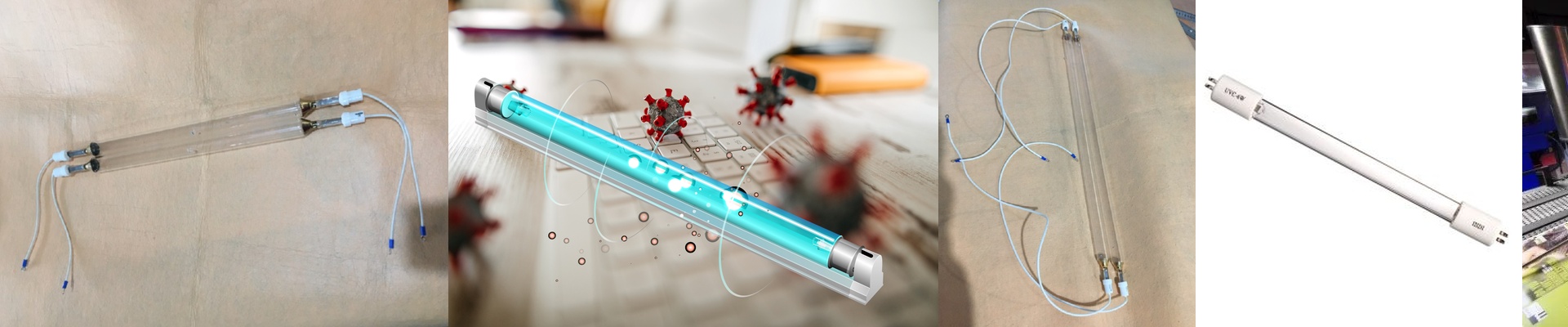
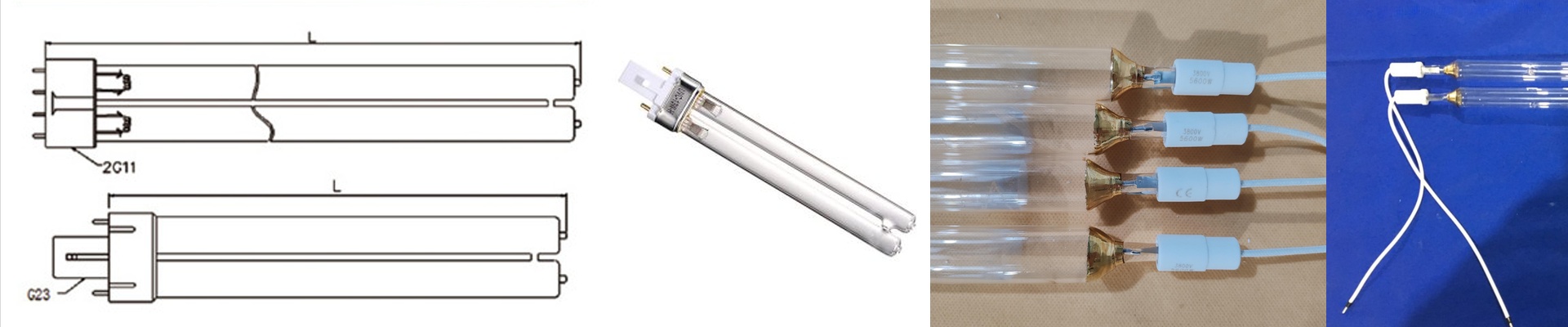
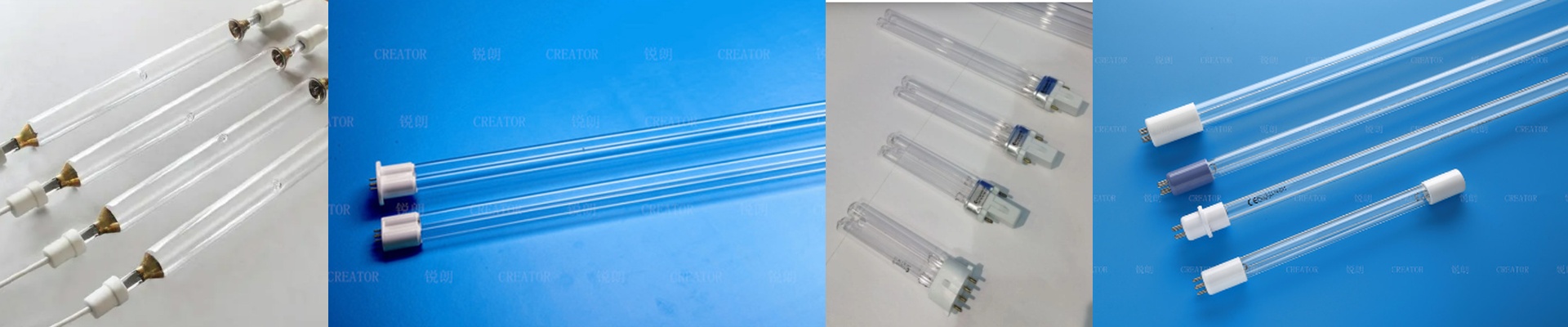
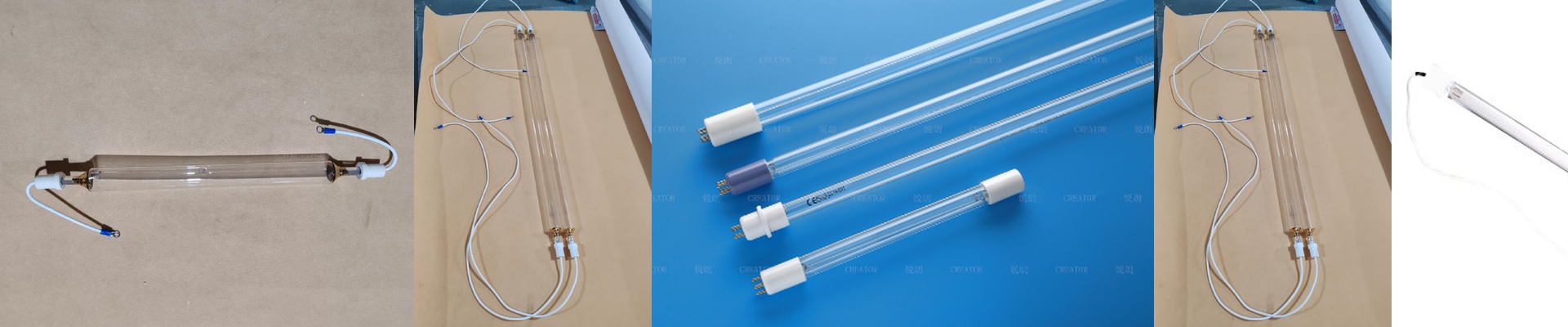
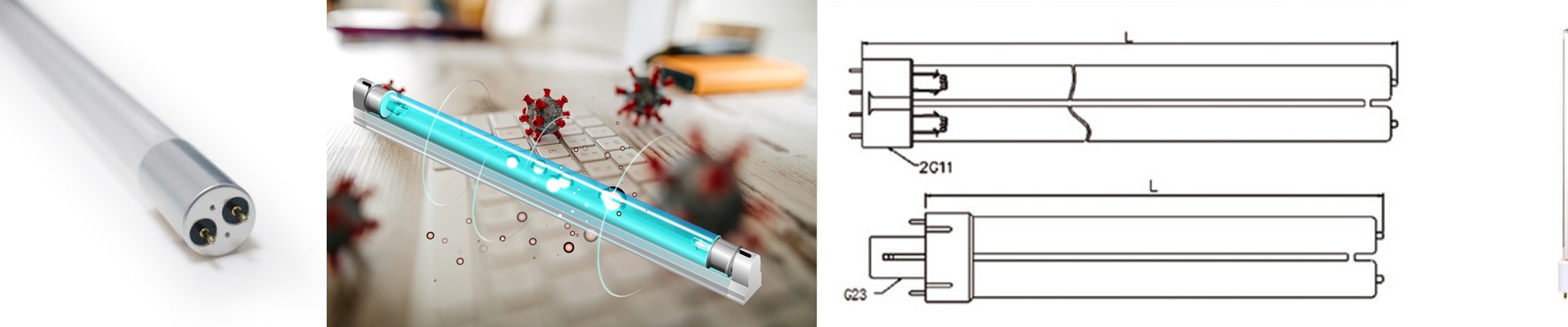
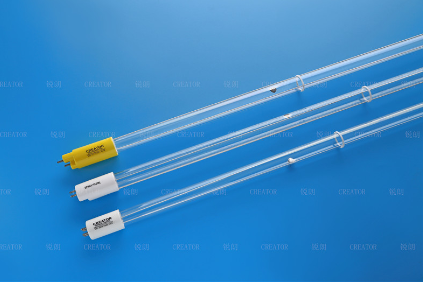
In the wholesale game, your UV lamp brand only means something when it shows up on the floor, day after day. If the lamps you’re running drift on output, die early, or throw off inconsistent spectral output, your customers are the ones paying for it—downtime, rework, and a hit to trust. With our OEM option, you get full control over a cold cathode UVC germicidal platform that’s proven in industrial work—built to run stable, repeatable, and predictable. What matters, technically, is simple: cold cathode UVC shines where you need stable, low-temperature germicidal output. We hold peak irradiance within tight tolerances, keep spectral consistency locked at 254nm, and manage decay so output stays predictable across the life cycle. Expect long life with low attenuation—these units routinely run 5,000+ hours with less than 5% drop in intensity, even with frequent on/off cycling. The lamps are ozone-free, built with precise quartz envelopes, and integrate cleanly into compact chambers, using reliable reflector geometry and dichroic coatings to deliver the energy where it needs to go. Here’s why it holds up in real production. With the OEM program, you rebrand a system your customers can install and basically forget about. Printers and packaging lines get repeatable curing and disinfection windows, which means fewer jams, less scrap, and throughput you can plan around. Energy draw is matched to duty cycles, and lamp replacement intervals stretch out, so service calls drop. The result is a brand you can stand behind—measurable output, stable spectral profiles, and uptime that proves itself on the line. A few shop-floor details to keep straight. Cold cathode UVC needs the right ballast match and controlled operating temperatures to hit the rated life and spectral stability. Double-check chamber clearances and connector types, and make sure the power supply matches the lamp’s voltage and current profile. Output is sensitive to reflector alignment and contamination—keep the window clean and the reflector free of oxidation. And plan proper shielding and interlocks to protect operators; the intensity is real, even at low temperatures.