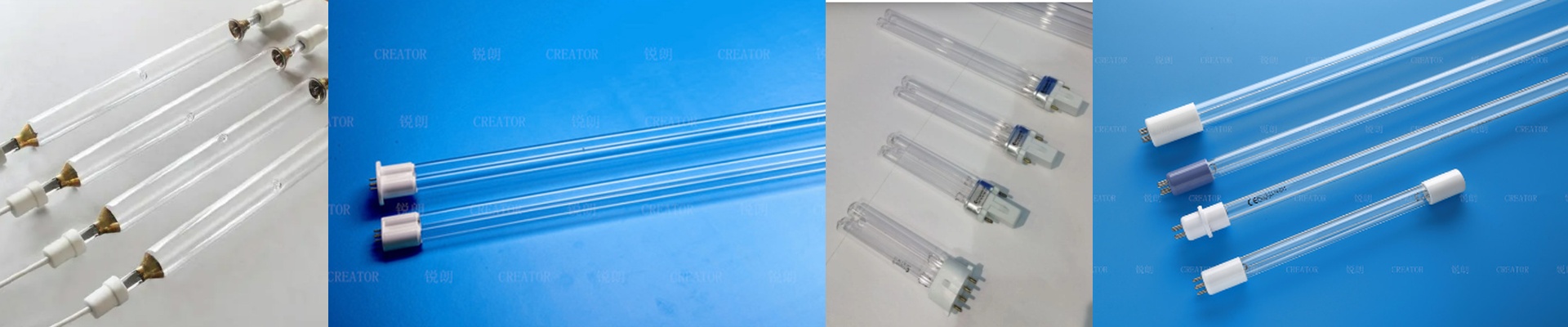
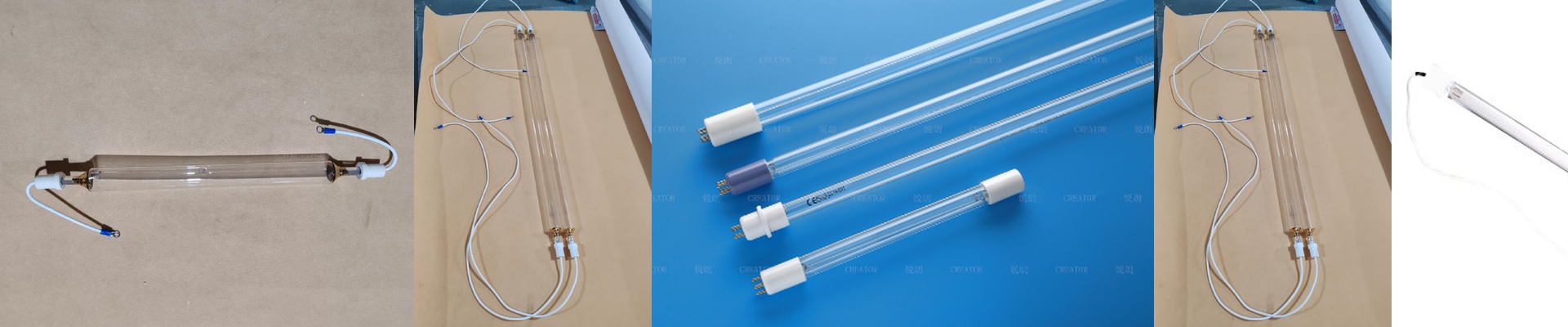
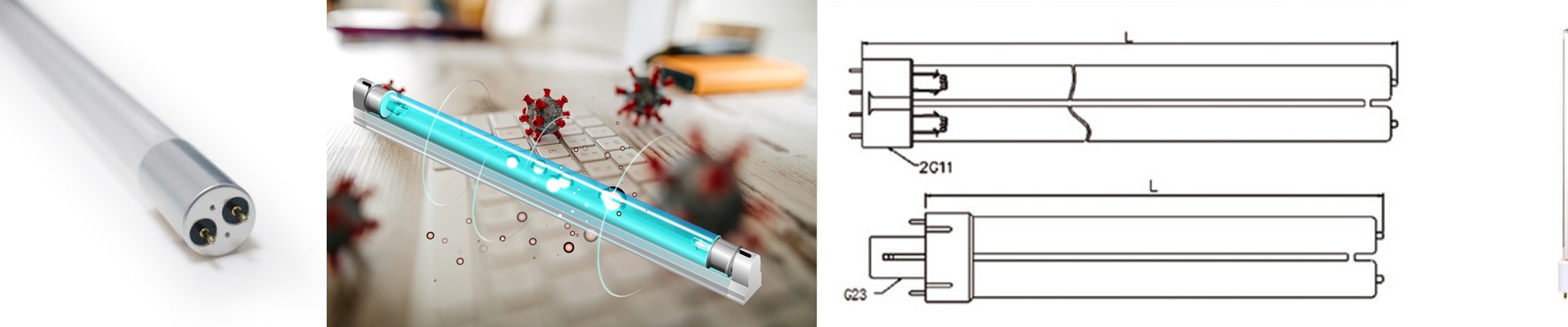
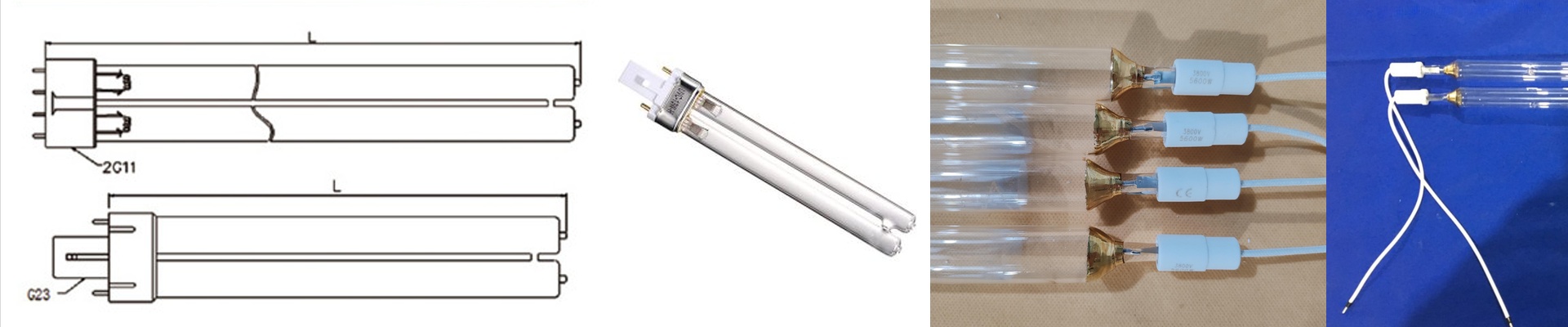
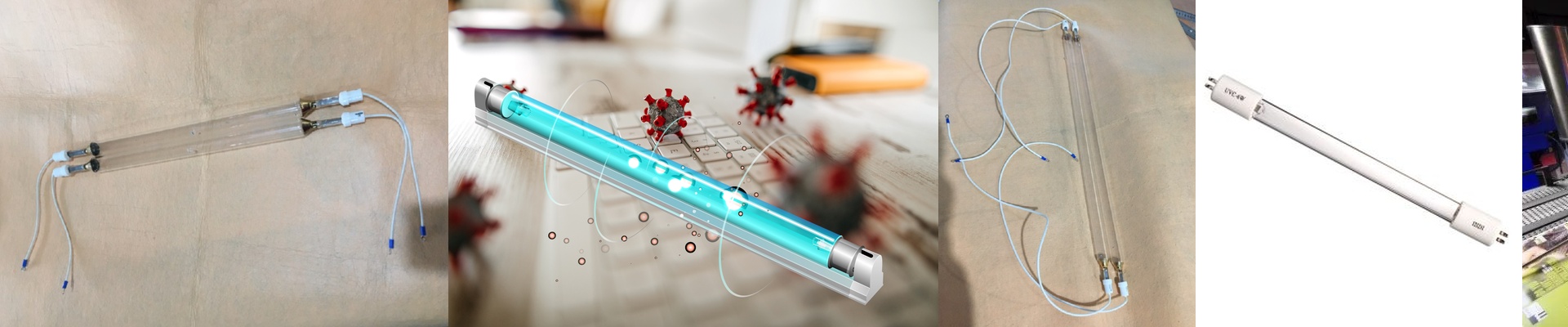
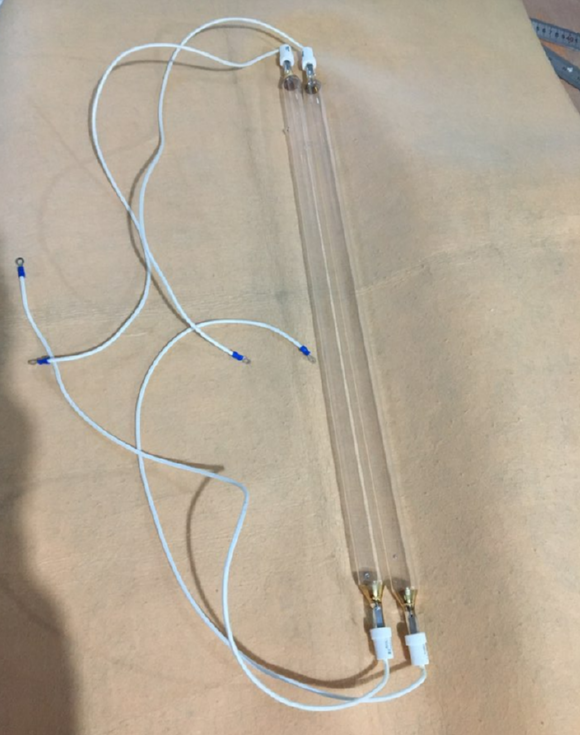
Watch a disinfection robot roll through a busy terminal and you see the real constraint: seconds matter. A conventional UVC lamp drags the cycle out, forcing longer exposure and sucking more battery. We built our UV mercury lamp for high-energy-density duty, putting down intense 254 nm output so you collapse microbial DNA in fewer passes. What’s under the hood, technically It’s a high-pressure mercury vapor discharge, tuned for the germicidal band at 254 nm—not general curing. We hit peak irradiance above 200 mW/cm² at the target plane, keep arc stability tight, and use reflector geometry that holds the beam collimated. Since output is measured in mJ/cm² per pass, we lock dose repeatability within ±3% across lamp warm-up and duty cycle. The quartz envelope is chosen for high UVC transmission, and the lamp runs ozone-free by design. Electrically, it’s matched to robot power buses: 24 V DC input, controlled ignition, and inverter-driven regulation that holds spectral output steady as battery voltage sags. Why it fits this job Shorter dwell translates straight to more routes per charge and faster room turnover. With higher irradiance, the robot cuts exposure time while still clearing disinfection targets—single-cycle time drops up to 40% in typical hall layouts. Smart intensity matching keeps dose consistent across surfaces, so you’re not over-exposing low-risk zones or under-dosing shadowed corners. The footprint is compact enough to drop into tight turrets, and the thermal design prevents hot spots that can warp nearby housings. Plan on stable output for 9,000+ hours, with less than 8% depreciation at end-of-life. What you need to keep straight High-intensity UVC means serious interlocks and sensor validation—never bypass the shutter and motion interlock. Check optical alignment and keep reflectors clean; a thin film of dust drops effective dose more than most people expect. Confirm the mechanical envelope and cooling airflow. At peak output, this lamp needs continuous forced-air to stay within junction temperature limits. And match the lamp to the controller’s ignition profile and dose algorithm—inconsistent start-up spikes will throw your dose maps off.