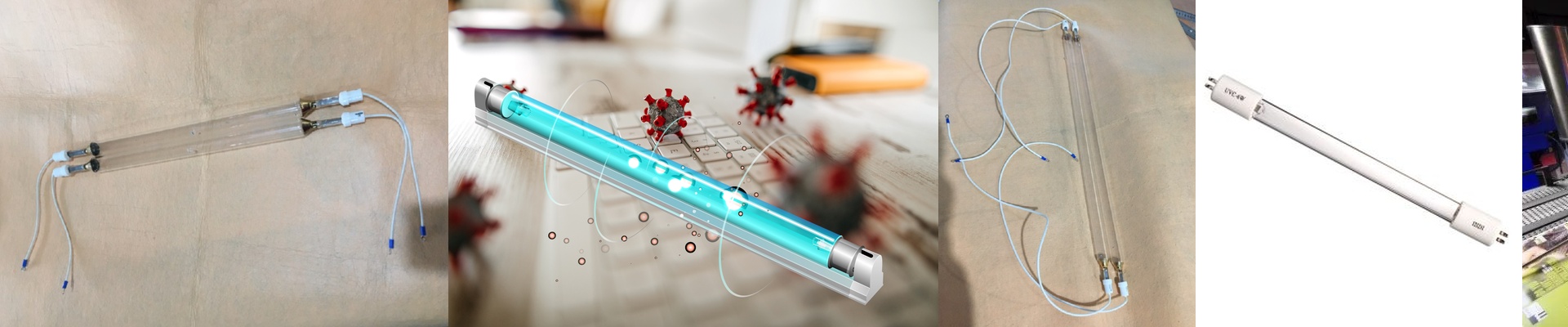
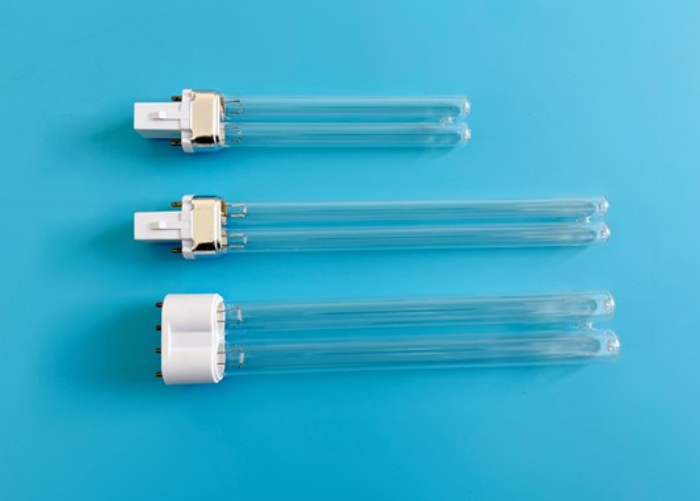
Getting the Most Out of Your Mercury UV Curing Lines
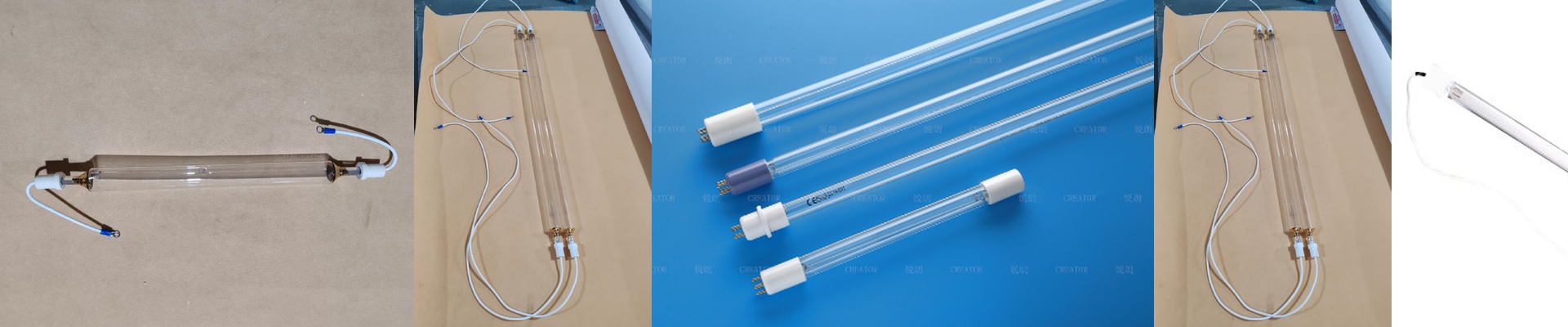
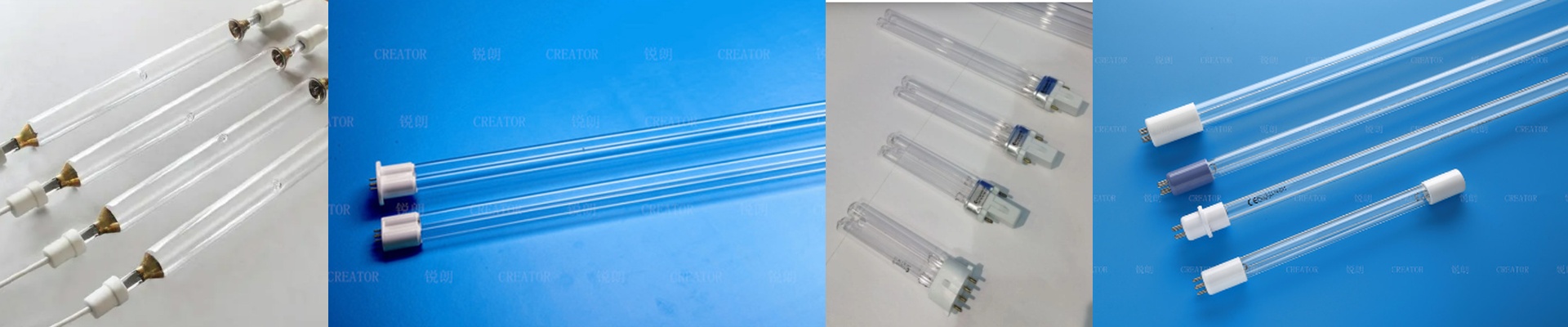
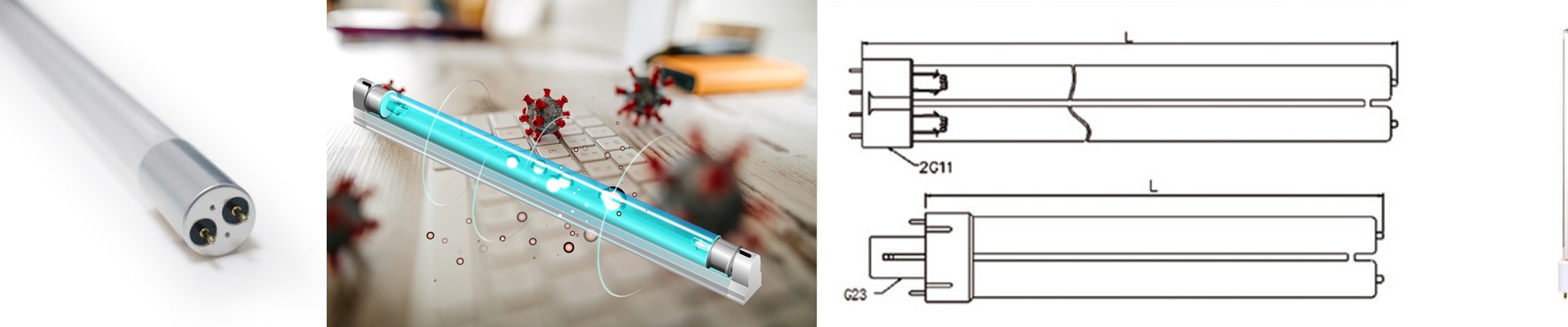
Mercury UV tubes are basically the heavy lifters of the industrial drying world. They do the dirty work, hitting those specific wavelengths that make your inks and coatings actually set. But if you’re running a high-speed line, you know it’s not as simple as just flipping a switch. The real trick is keeping that light steady for thousands of hours. Because the moment your irradiance dips, your line stops. And nobody wants that.
Why Some Lamps Just Last Longer
Most tubes burn out because the electrodes wear down or the quartz starts to cloud over—what the engineers call solarization. It’s a pain. We tackle this by using high-purity synthetic quartz and tweaking the mercury pressure. We’ve spent a lot of time refining the gas mix inside the tube to slow down that wear and tear. The result? You aren’t staring at a sharp drop in UV output after the first 500 hours. It just stays stable.
The Heat Struggle
Here is the thing about high-wattage tubes: they give you the punch you need to keep the line moving fast. But there’s a trade-off. When you cram that much power into a small space, things get hot. Really hot. If you go with a high-intensity tube, you’ve got to make sure your cooling fans and heat sinks can actually keep up. If they can’t pull that heat away, you’re looking at warped substrates or a lamp that dies way sooner than it should. It’s a balancing act.
Making it Work with Your Tech
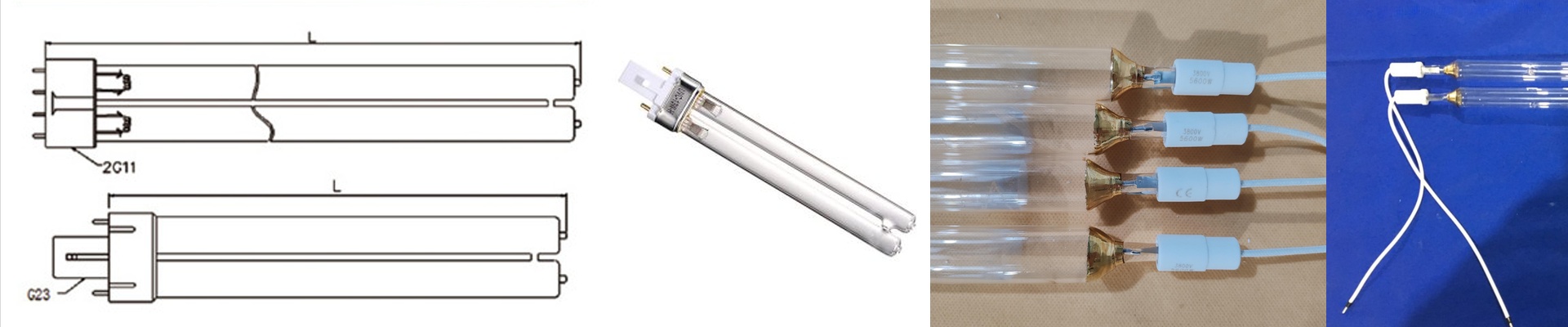
Nobody wants to spend hours fighting with a replacement part. That’s why we focus on the small stuff—like making sure the end-caps fit perfectly and the electrical draw is steady. No flickering. No random arc failures. Plus, these play nice with your digital controllers. When you plug them into your PLC system, you can actually see how the lamp is performing in real-time. You can keep an eye on the hour-meter and swap the tube out on your own schedule, rather than waiting for a quality fail to tell you it’s time. It just makes the whole day run a lot smoother.