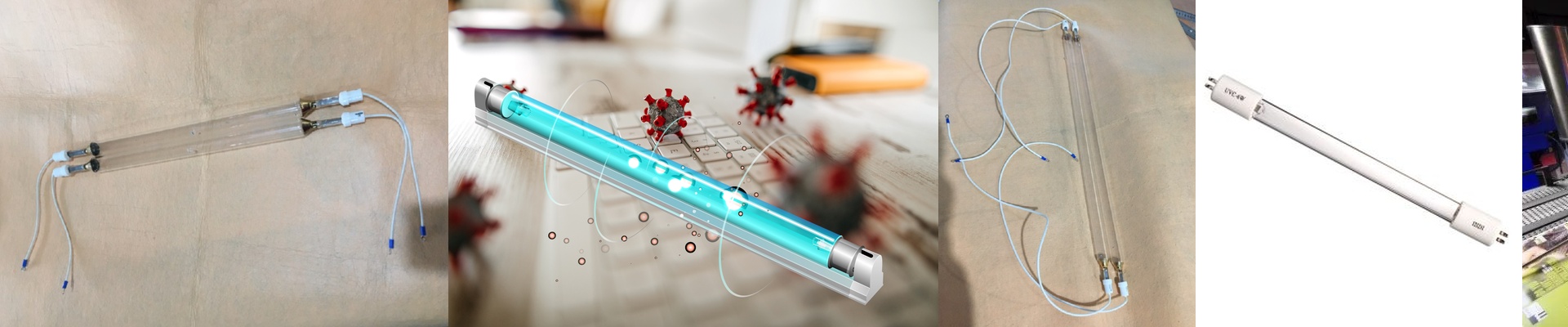
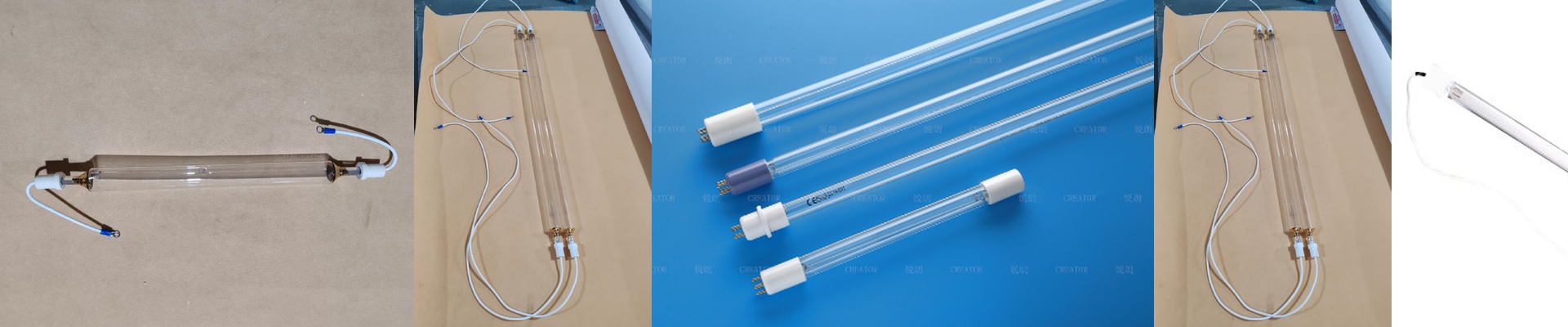
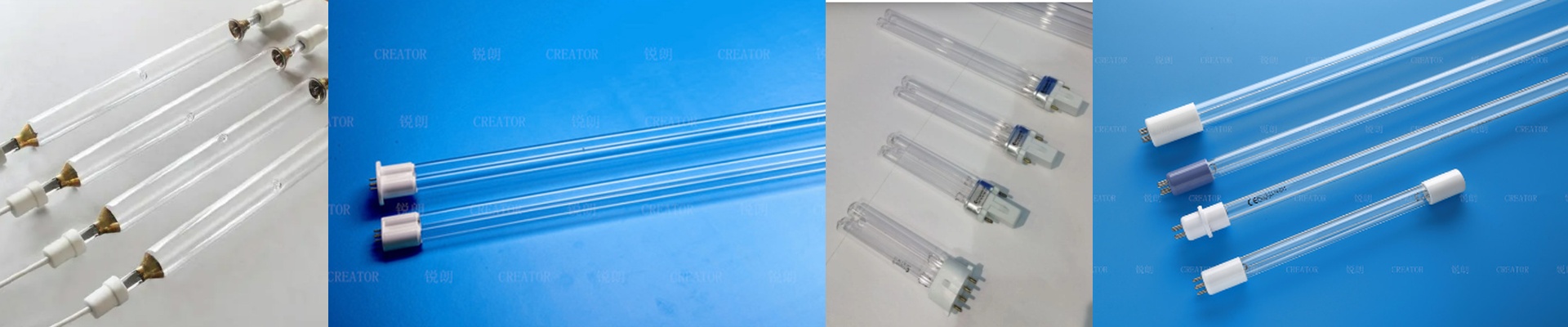
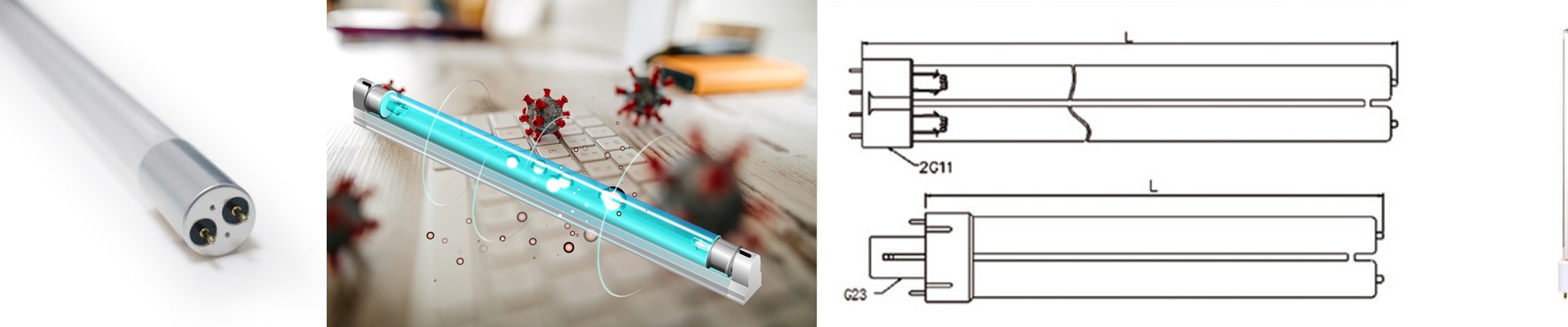
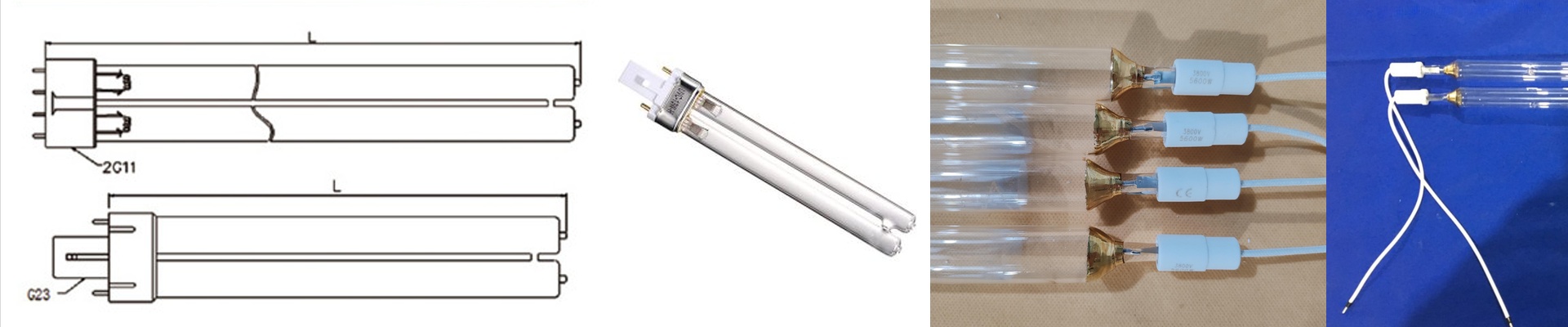
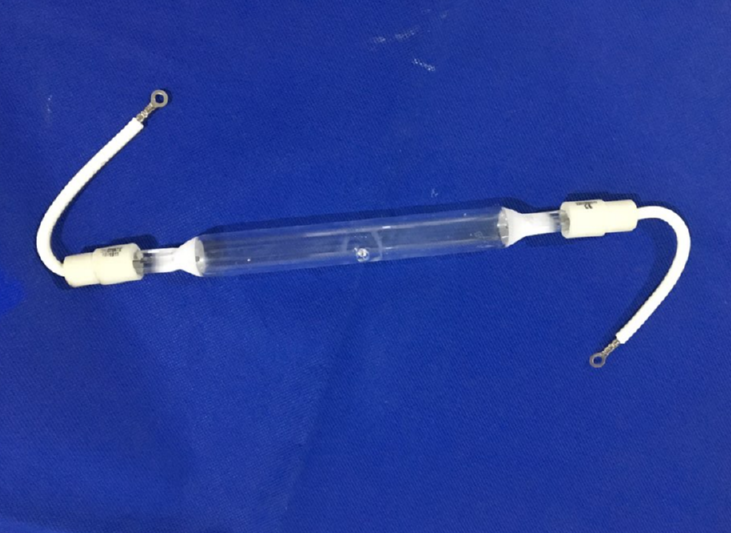
Getting the most out of your UV curing tubes
Let’s be honest: when you’re running an industrial line, the last thing you want to deal with is a lamp popping out at 3 AM. Downtime is a nightmare. It costs way more than the actual bulb, and it kills your momentum. That’s why we build our mercury UV tubes to actually survive the grind of a conveyor belt.
Why some tubes just last longer
It mostly comes down to the glass and the electrodes. If the quartz isn’t pure, you get “solarization.” That’s basically when the glass gets cloudy over time. It’s frustrating because you’ll notice your UV output just tanking after the first 500 hours. We use high-purity fused quartz so that doesn’t happen. We also spend a lot of time balancing the gas pressure and the mercury volume. Why? Because we don’t want your electrodes burning out early. One quick tip: please, don’t run these at max wattage without a proper ballast. It’s a shortcut that ends badly. Getting your voltage regulation right isn’t just a suggestion—it’s the only way to keep the lights on.
Dealing with the heat
These tubes get hot. Really hot. You’ve got to get your cooling fans or water-jackets dialed in to keep the quartz in a specific temperature sweet spot. If it’s too cold, the mercury won’t vaporize and your output drops. Too hot? You’re looking at a seal failure. The good news is that our tubes are designed to be simple drop-in replacements. We keep the dimensions exact. You won’t have to spend your afternoon rewiring reflectors or messing with focal points just to get a new lamp in.
The real talk on cost and performance
We handle everything ourselves—from the raw quartz to the final seal. Since we aren’t paying a middleman to mark up the price, we can pass those savings to you. You get a tube that stays steady without paying a “premium brand” tax. But here’s the thing: if you push for insane intensity, the lamp will wear out faster. It’s just physics. If your process can handle a lower wattage, take it. You’ll extend your replacement cycle and save a lot of headache. Just match your lamp spec to your line speed. There’s no point in wasting energy or burning through tubes faster than you have to.