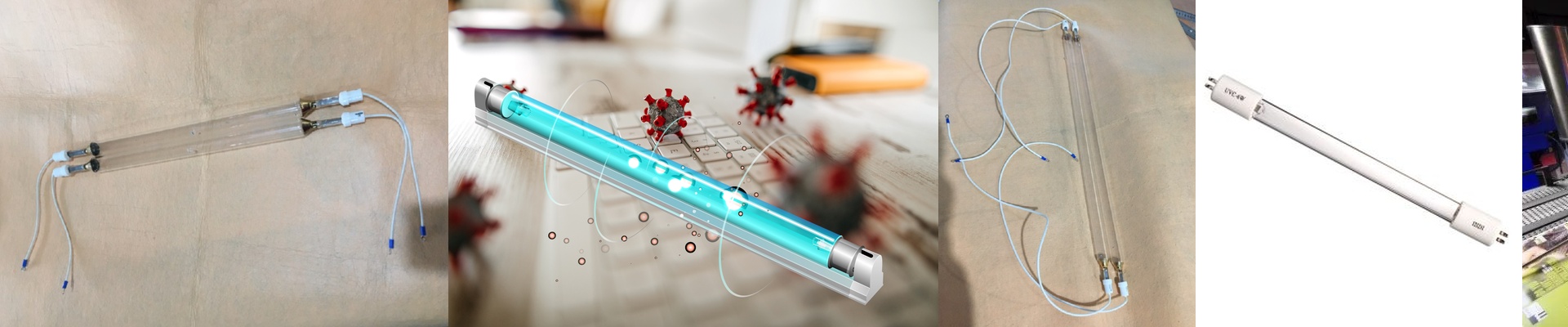
Getting the Most Out of Your Mercury UV Curing Bulbs
Let’s talk about our standard mercury UV bulbs. If you’re working with inks, coatings, or adhesives, you know that getting the cure right is everything. These bulbs do the heavy lifting, triggering the chemical reaction that turns liquid resin into a solid, durable finish.
How they actually work
Inside the tube, a mercury-vapor arc creates a blast of UV radiation. We focus on the 254nm and 365nm peaks because that’s where the magic happens. We build these for high intensity. Why? Because you need that light to punch through thick layers of resin. It means you get a steady, even cure from one end of the tube to the other. No “soft spots,” no tacky surfaces—just a clean, hard finish every time.
The heat factor
Here is the thing: high power equals high speed. If you want your line moving faster, you need more wattage. But there’s a catch. These things gethot. If your cooling fans are dusty or your water-jackets aren’t humming along as they should, the quartz glass will overheat. You’ll either burn the bulb out way too early or deal with “solarization,” where the glass gets cloudy and blocks the UV light. It’s a pain, and it kills your productivity.
Smart setups
We’re moving past the days of just plugging in a lamp and hoping for the best. Now, it’s all about real-time data. By adding a few sensors to your setup, you can actually see how much intensity your bulb is putting out right now. Instead of guessing with a timer, you can speed up or slow down your conveyor based on the actual light levels. It’s a lifesaver. Your system can tell you a bulb is fading before you accidentally ruin a whole batch of parts.
Tips for installation
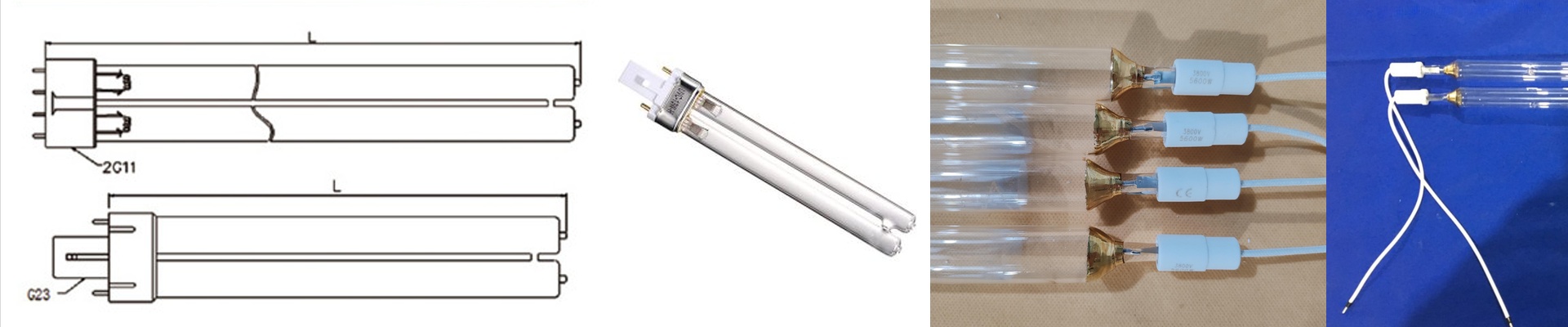
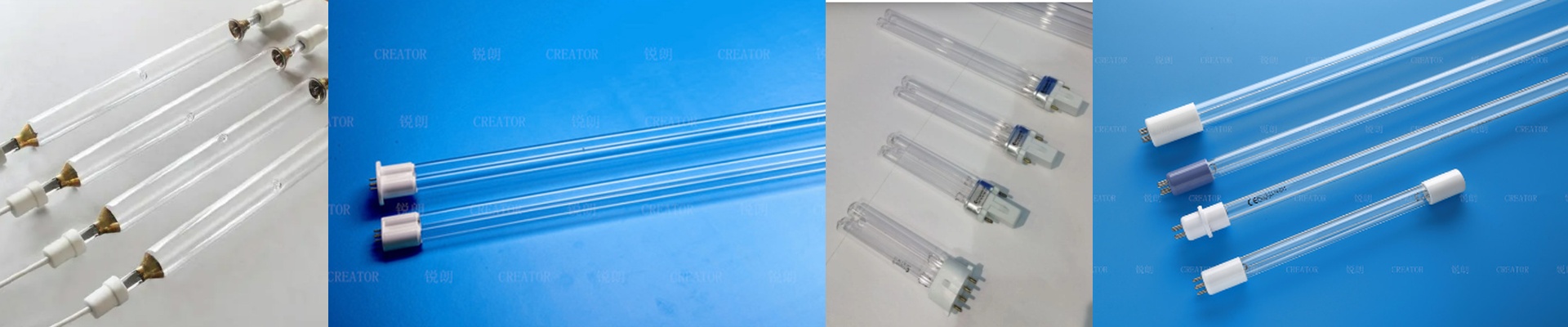
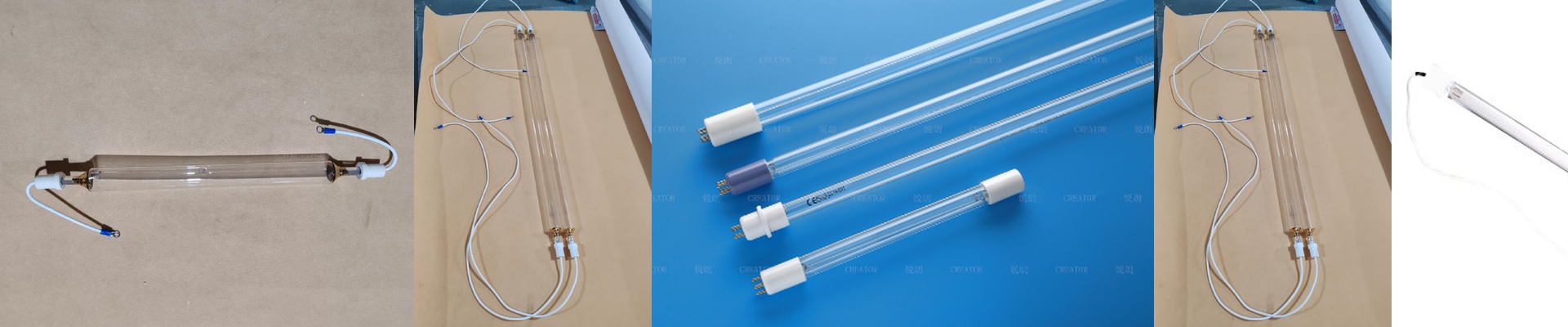
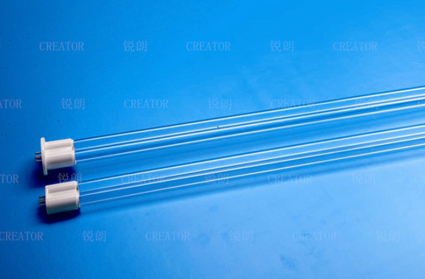
We use standard end-caps, so these should slide right into most industrial ovens without any fuss. To make them last, give them a stabilized power supply. Voltage spikes are the fastest way to fry your electrodes. And one last thing:keep the quartz clean. Even a single fingerprint can create a hot spot that cracks the glass. A quick, careful wipe-down saves you from a very expensive mistake.