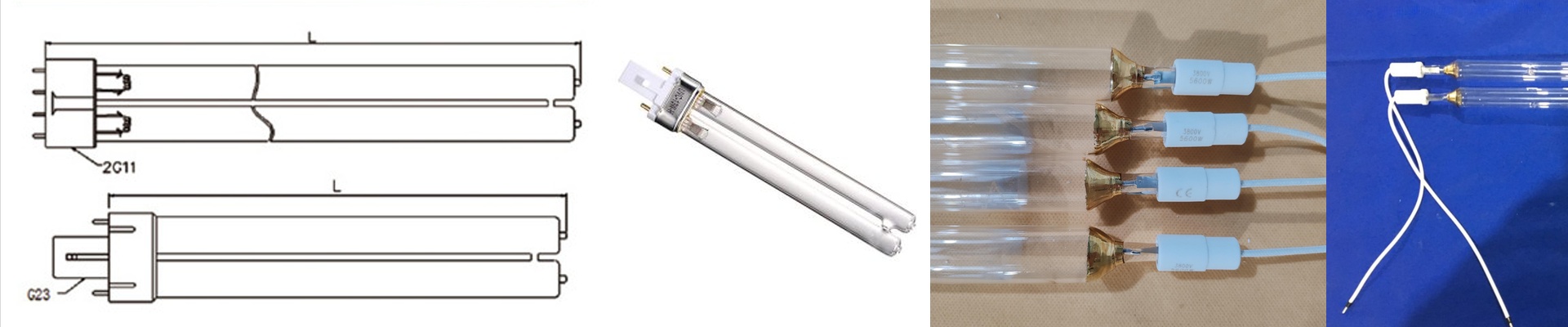
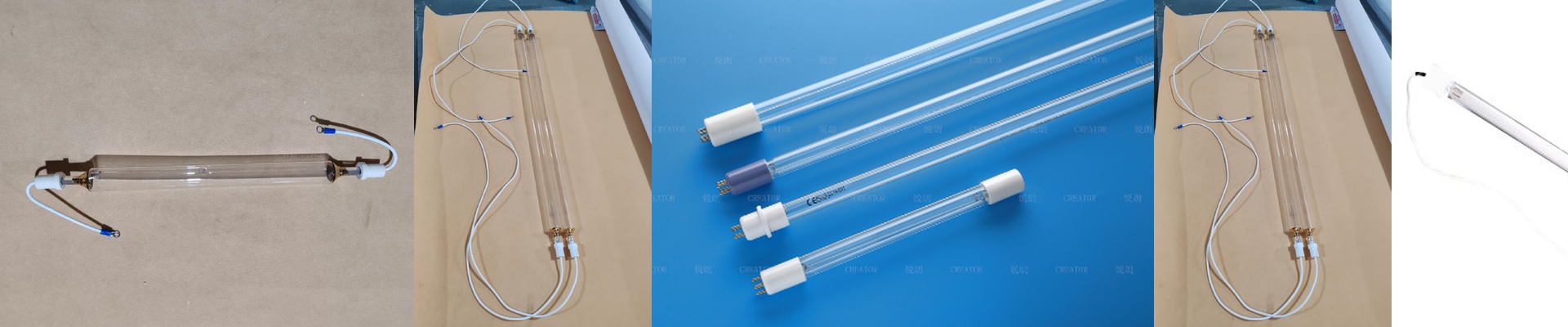
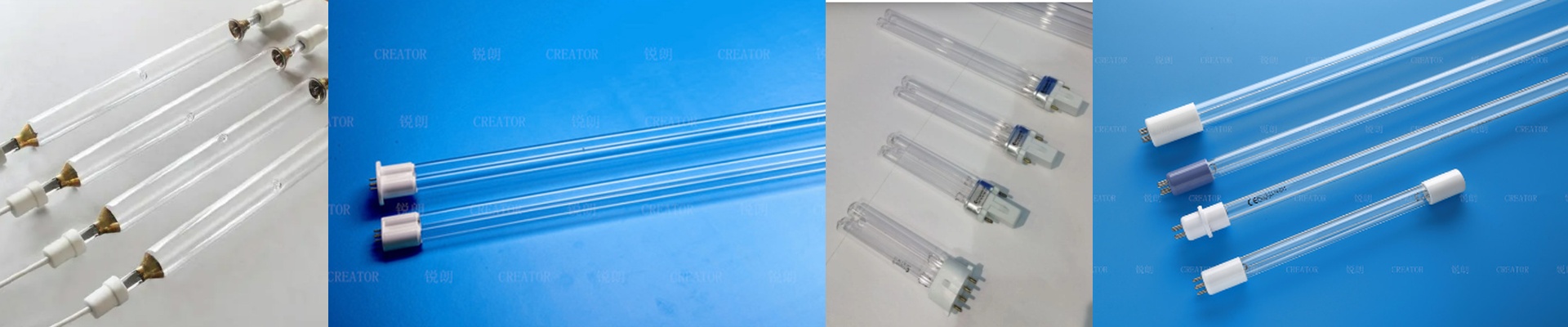
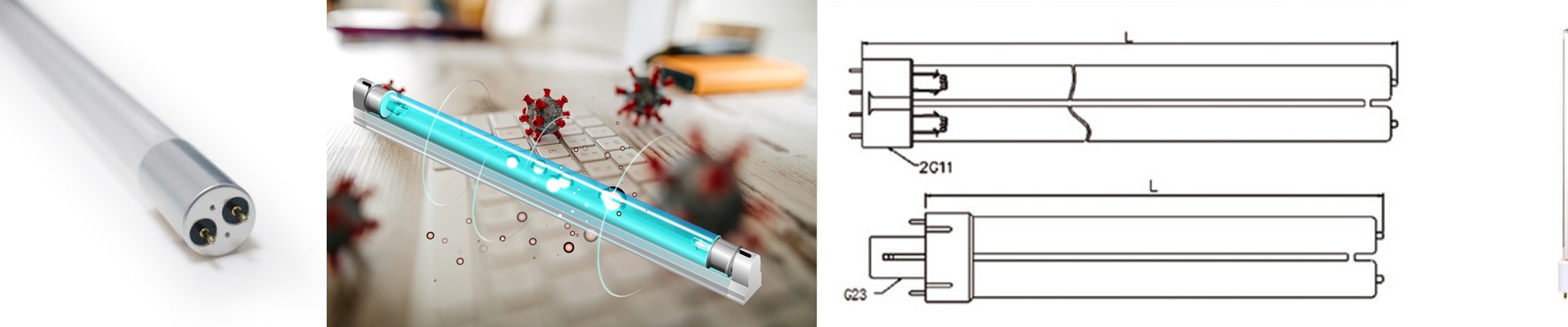
Making Industrial Mercury UV Lamps That Actually Work at Scale
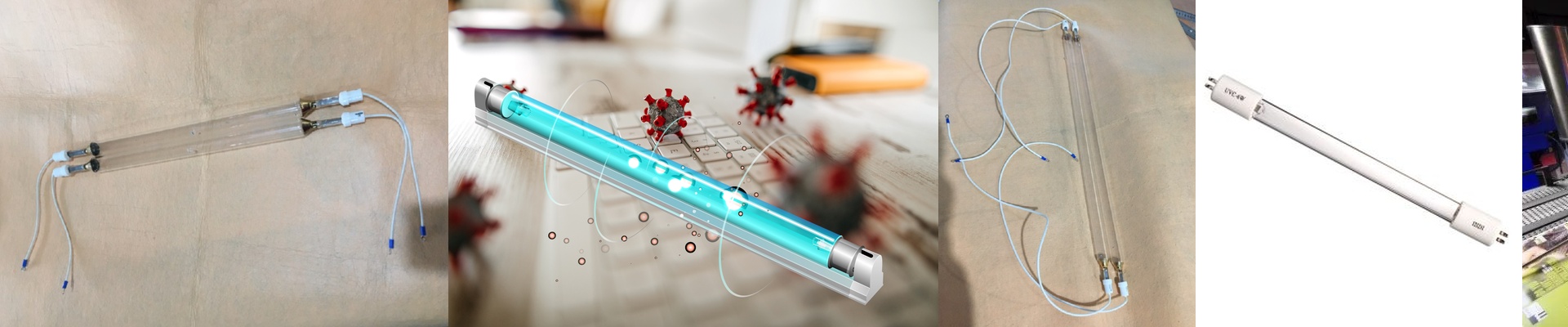
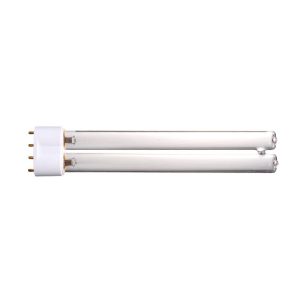
Industrial mercury UV bulbs are the real heavy lifters in sterilization and curing lines. They aren’t glamorous, but they’re essential. We’ve spent 15 years obsessing over the chemistry and the glass, turning these from basic parts into tools you can actually rely on.
The balancing act of physics
Here is how it works: we excite mercury vapor to create shortwave UV radiation. To get the wattage and power you need, we have to play a careful game with mercury pressure and quartz thickness. If the glass wall is too thin, more UV-C gets out—which is great—but the tube might blow out under high pressure. Not great. To fix that, we use high-purity fused quartz. It’s tough. It can handle the constant heating and cooling without cracking.
Dealing with the heat
When you’re running a high-wattage bulb, you’re dealing with an incredible amount of heat. We build our tubes to keep the arc stable, but you’ve got to make sure your cooling fans or water jackets are doing their job. If the lamp gets too hot, the mercury pressure shifts and your UV output dips. Too cold? The lamp might not even start. We’ve spent a lot of time tuning the current densities to shrink that “danger zone.” It just makes them a lot easier to wire up in a messy, real-world factory environment.
The struggle for consistency
The biggest headache in UV production is consistency. Just a 1% difference in the gas fill can be the difference between a lamp that dies in 2,000 hours and one that lasts for 8,000. That’s a nightmare for anyone managing a budget. That’s why we use automated filling stations. We keep the gas mix tight. When you order a batch of 500 bulbs, you get the same power across the entire length of every single tube. No “dark spots” on your line. No random, middle-of-the-night shutdowns because a bulb gave up early. It just works.