Stop Fighting Your UV Curing Speeds
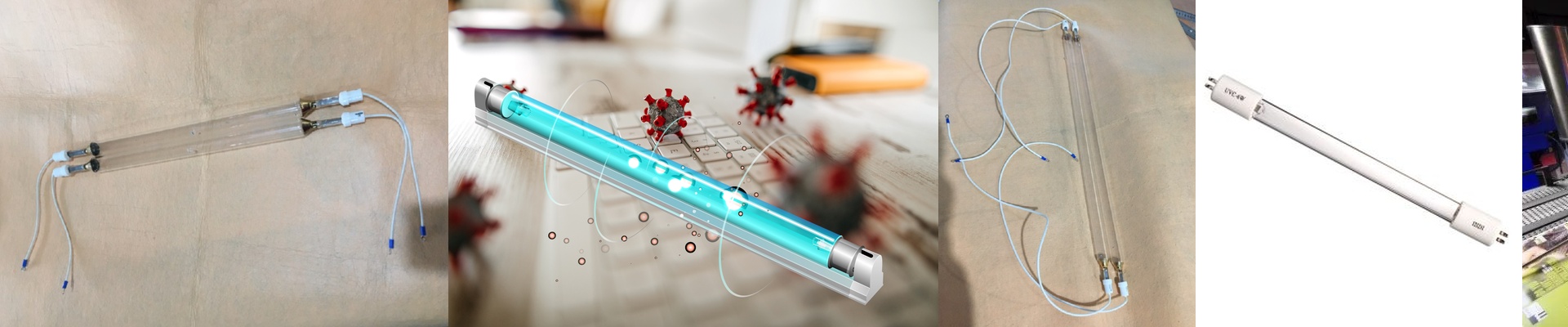
If you were at the 2026 Printing Exhibition, you probably noticed the conversation has changed. Nobody is really talking about just buying a random bulb off a shelf anymore. Why? Because most shops are hitting a wall. You crank up your line speed, but your ink isn’t curing fast enough. It’s frustrating. You’re either slowing down your entire production or risking smears. We fix that by building mercury UV modules that actually fit your specific machine’s footprint, rather than making you force a generic part to work.
The Deal with High-Wattage Mercury
Here is the simple version: to get the kind of power needed for industrial printing, you need a lot of photons hitting that ink. We do this by pushing the wattage and dialing in the tube diameter. The result? Your polymers cross-link in seconds. It’s fast. Really fast. But there’s a catch:heat. These modules put out a ton of infrared energy. If your cooling blowers or water jackets aren’t up to the task, you’re going to see your substrates warp. It’s a trade-off, but one that’s easy to manage if your cooling is dialed in.
More Than Just a Bulb
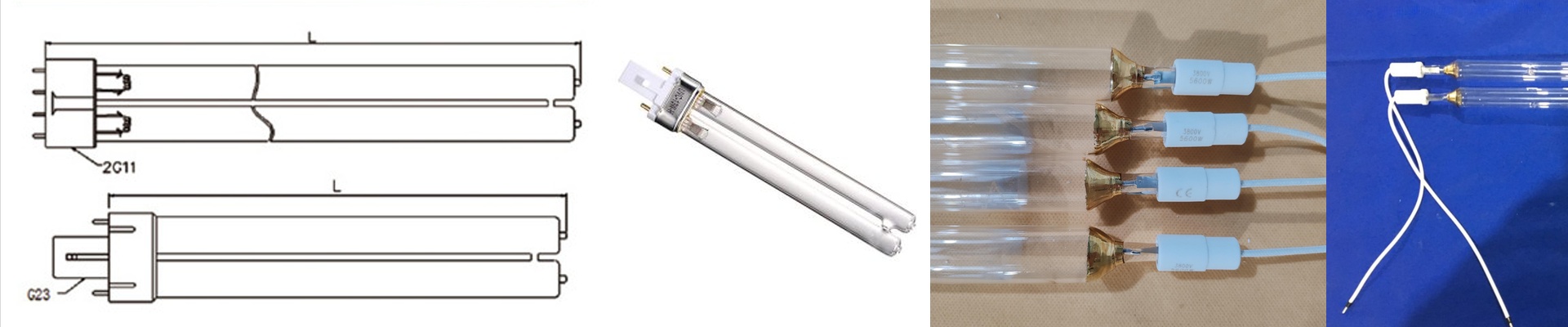
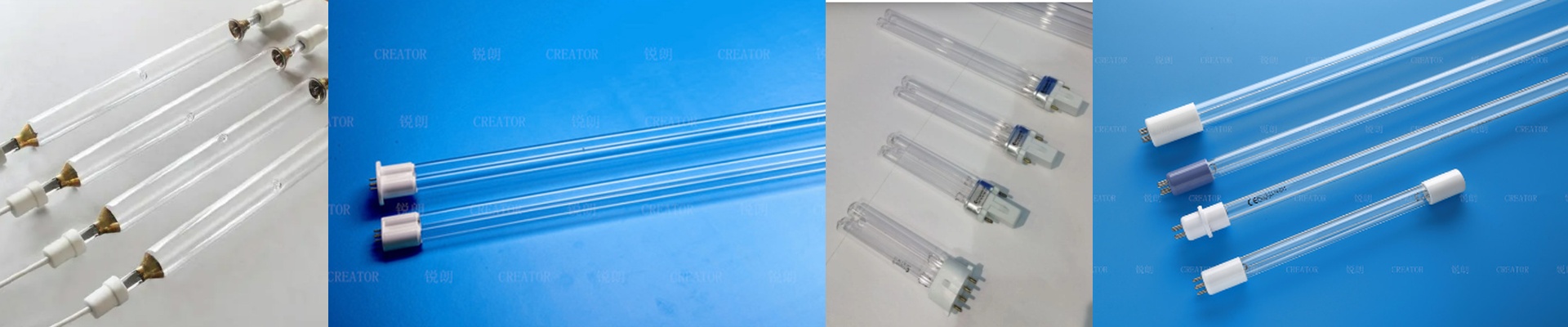
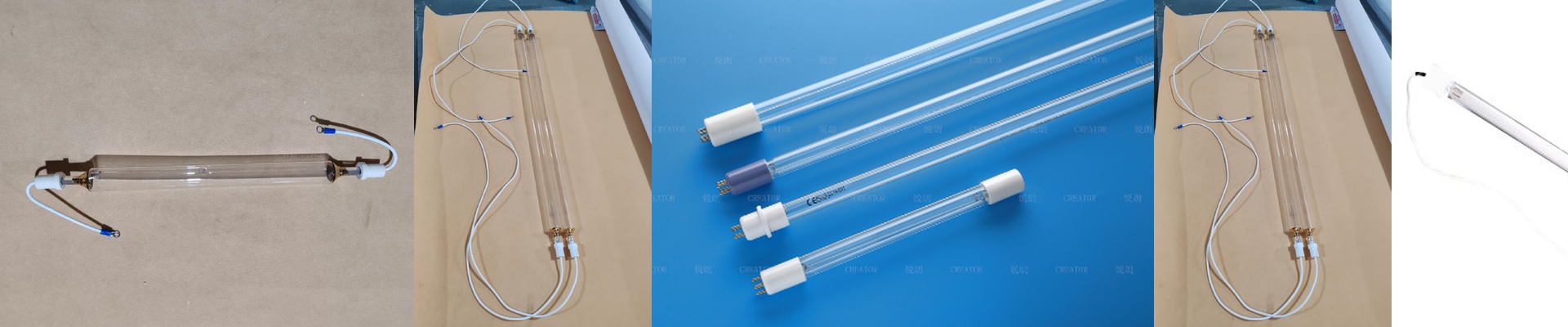
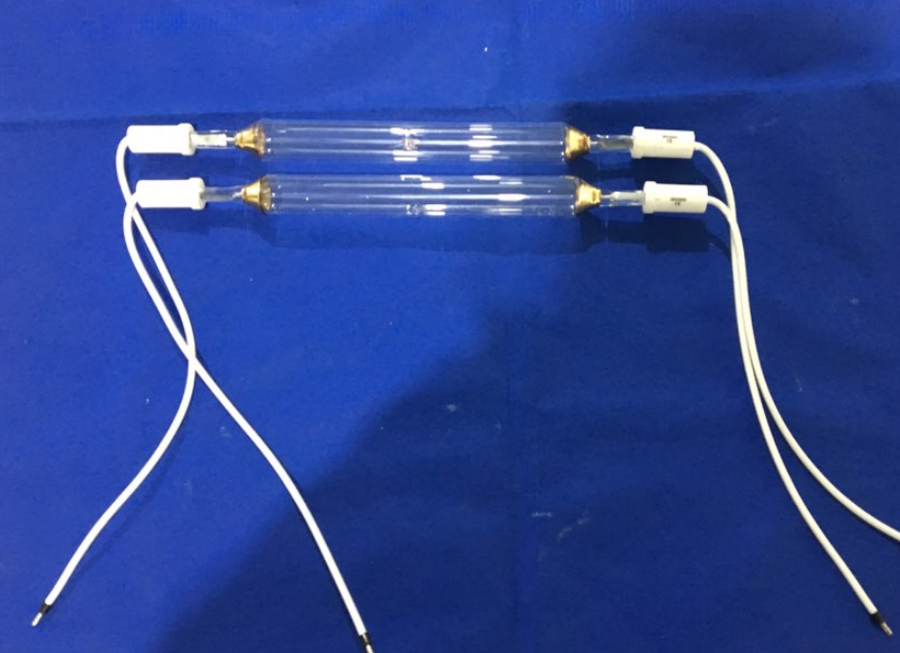
We don’t just ship you a tube and wish you luck. We build the whole module—the reflector geometry, the electrical housing, the works. We use high-purity quartz glass because it lets the UV light through without fighting it. Plus, it keeps the tube from burning out too early. Whether you need a weird length or specialized end-caps so you can swap them out in a heartbeat, we build it to your specs. And since it’s made for your machine, you can ditch those clunky adapters. No more voltage drops. No more overheating at the contact points. It just fits.
Real-World Use and Upkeep
The best part? It’s a drop-in replacement. You wire it to your existing ballast, flip the switch, and you’re back in business. We spend a lot of time making sure the arc stays stable. Nobody wants flickering. Flickering leads to those annoying curing streaks that ruin a print run. As for maintenance, it’s pretty straightforward. Just keep the quartz sleeve clean. If dust or grime builds up (what some call “solarization”), it blocks the UV light. Once you notice the output has dipped below 80%, that’s your cue to swap the tube and keep moving.