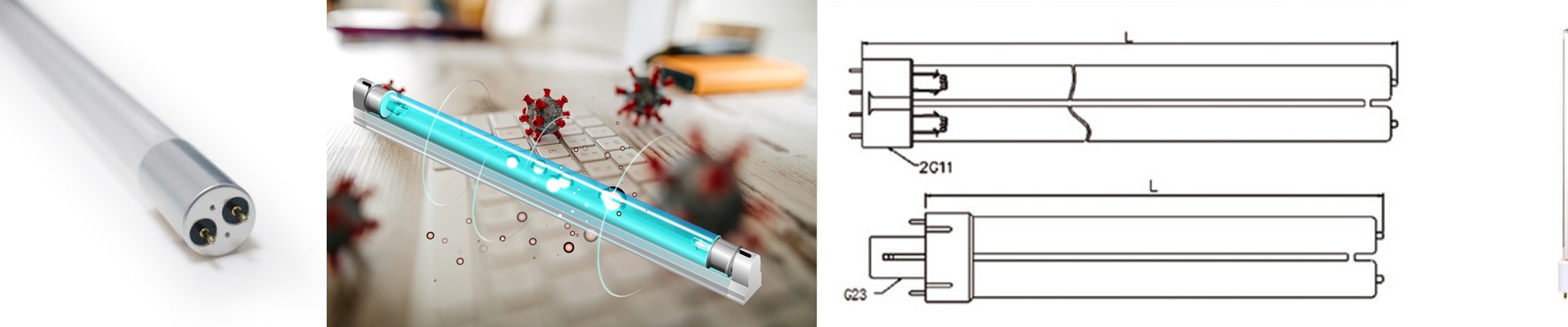
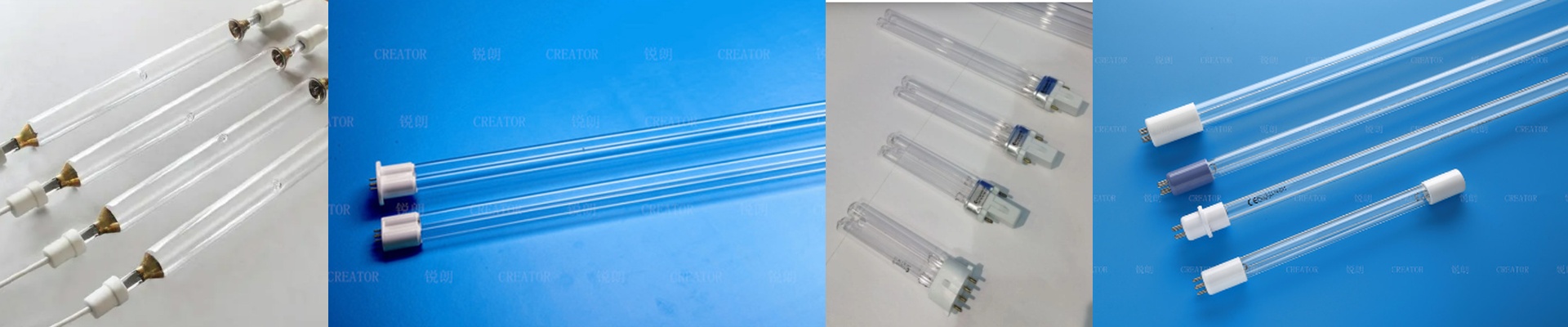
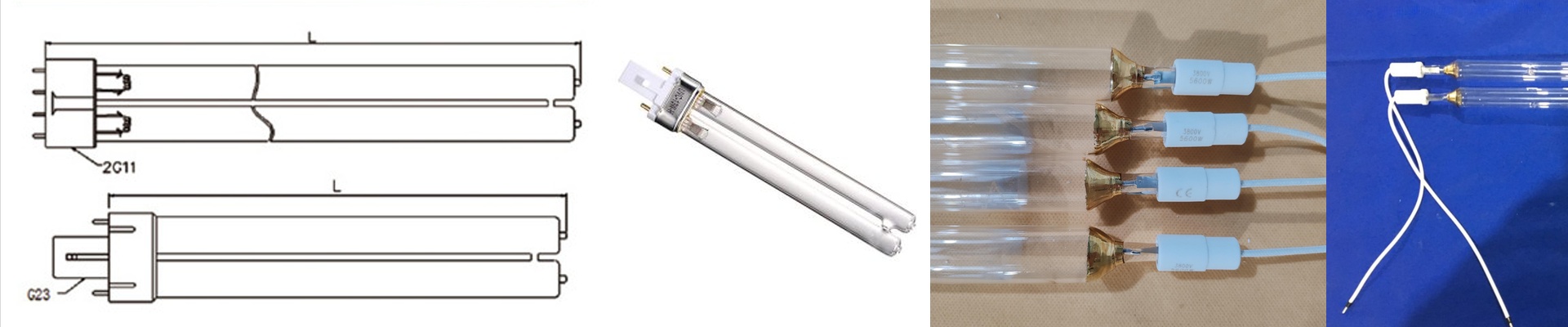
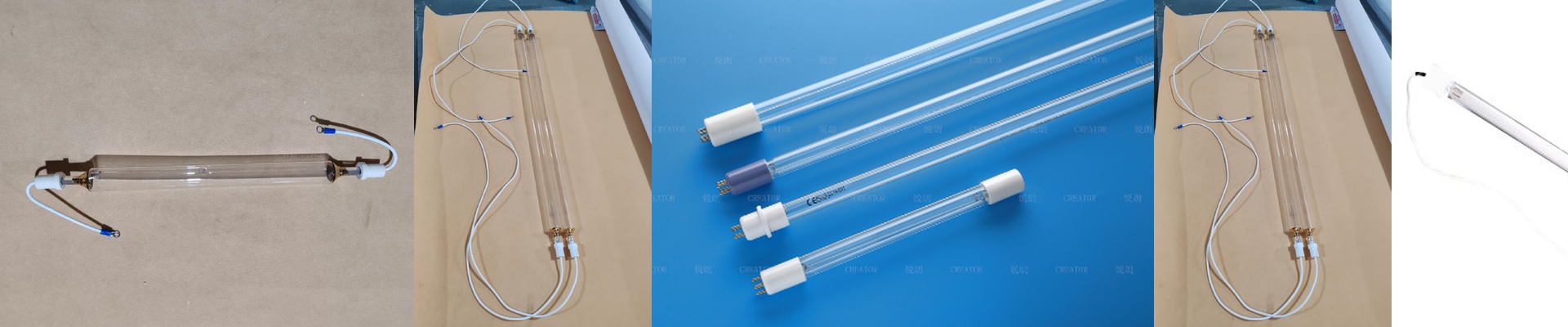
In anti-counterfeiting work, there’s no room for “close enough.” When you’re running special security inks, a mismatch between the lamp output and the photoinitiator’s absorption profile shows up fast—faded micro-text, incomplete cross-linking, and color that drifts from one run to the next. That defeats the whole point of the security layer. We built our high-power mercury UV emitter to take that variable out of the equation by giving you spectral purity concentrated right where the ink needs it. The heart of the unit is a high-pressure mercury vapor discharge, tuned for a tight spectral band. For a lot of security formulations, the 365nm line is the one that actually drives photoinitiator activation; stray wavelengths don’t help and can even beat up adjacent materials. So we shape the spectral output with dichroic-coated quartz envelopes and precision reflectors to hit a high peak irradiance that cures fast and deep. The payoff is stable energy density—measured in mJ/cm²—that consistently drives full polymerization across the substrate, even when you’re running at high press speeds. Why it sticks in the field Labels that resist counterfeiting, holographic overlays, and tamper-evident seals all hinge on precise UV exposure. This emitter locks in the spectral signature those special inks are designed around, so the hidden marks and micro-features come through with better contrast and clarity. That helps both machine readability and visual inspection, without cooking thin films. The lamp drops into offset, flexo, screen, and gravure lines, matching the footprint and electrical interface you see on common press models. Installation and upkeep—what matters When you install it, treat reflector alignment and lamp positioning relative to the print nip as non-negotiable. Output is sensitive to cooling airflow and lamp temperature, so run the specified air velocity and stick to the warm-up time—otherwise spectral stability drifts. Expect output decay over time; it’s typically under 5% after 2,000 hours of operation. Plan your lamp replacement windows around that so the curing dose stays consistent. If the line is ozone-sensitive, specify ozone-free quartz. And don’t guess on lamp length and arc gap—match them to your press’s curing station. Check the machine’s lamp compartment data before you order.