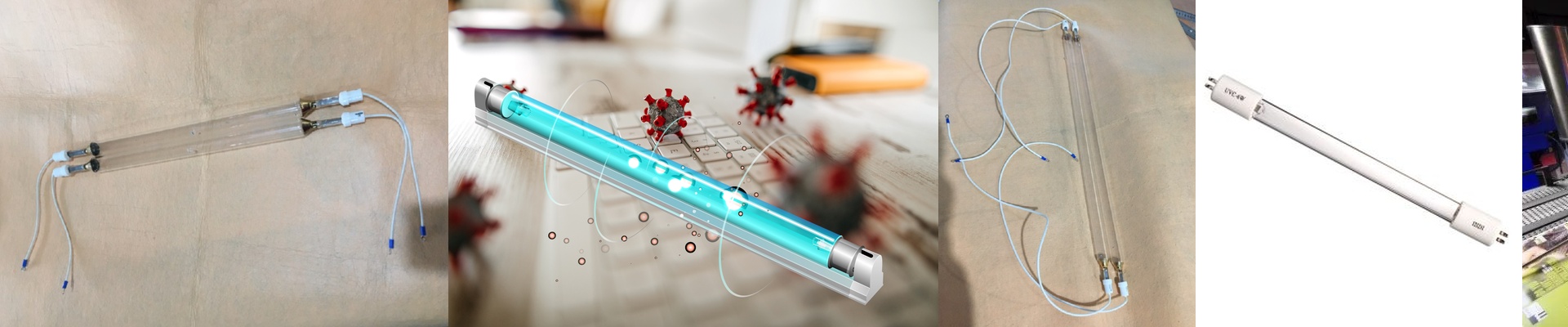
The 80W/cm Mercury UV Lamp: The Workhorse Behind the Curtain
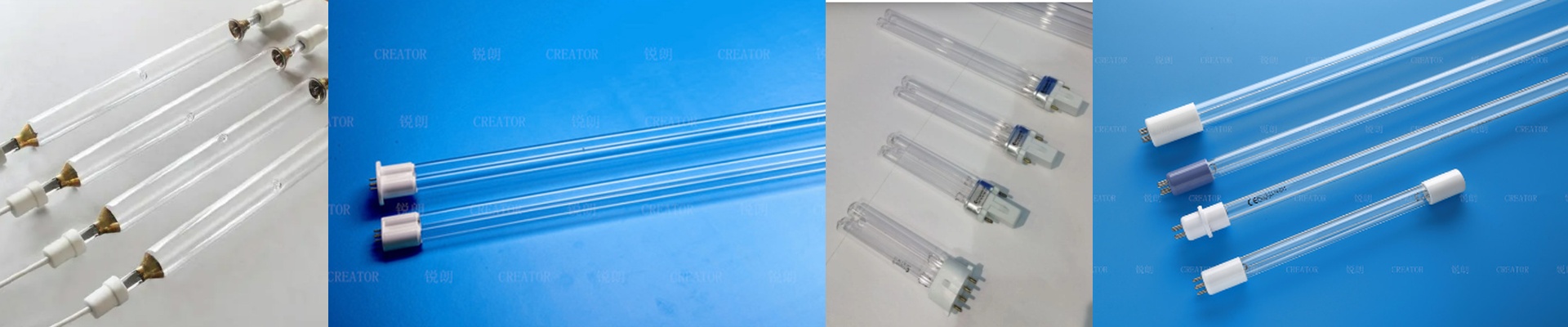
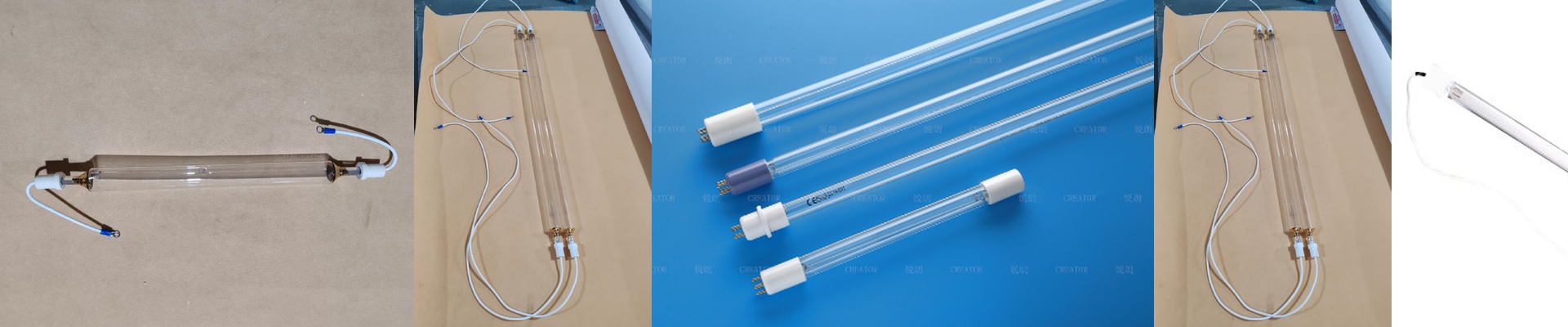
We built this 80W/cm mercury UV lamp to be the backbone of industrial UV curing lines. If your whole world revolves around keeping the line running without surprises, this is the lamp you want. It’s the kind of reliable output source you install and then, honestly, forget about—until you need another one.
Power, Voltage, and Output Density: The Real Numbers
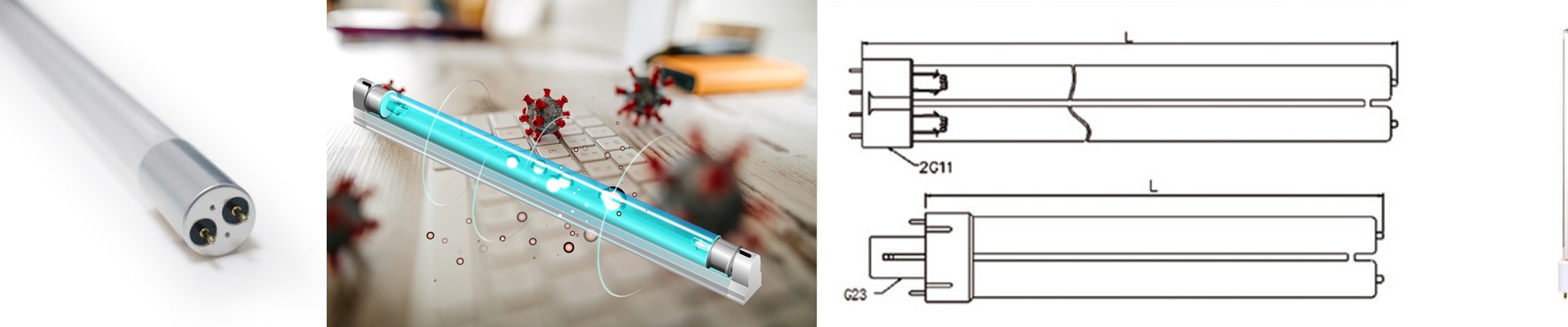
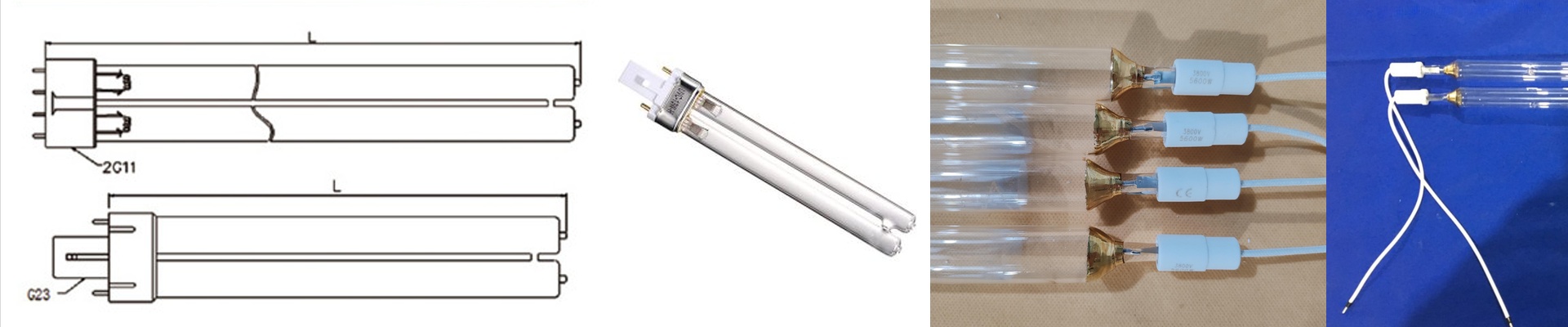
The 80W/cm rating isn’t a marketing trick. It’s a real thermal and electrical target we designed around. Run at this density and you get steady shortwave UV output that cures fast. But here’s the catch: it needs the right ballast and proper cooling to do its best. Expect a high-voltage ignition profile and an operating voltage that lines up with industrial ballasts—usually around 400V for the full lamp length. We also made sure the length and diameter fit standard industrial housings. So when a lamp burns out, you can swap it and get back to work without a long, frustrating changeover.
Material and Design: Quartz, Coating, and the R7s Connection
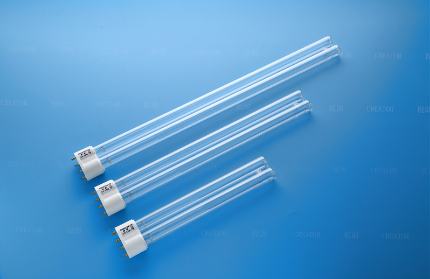
The tube is quartz, and that matters. It handles thermal shock well and lets UV through cleanly. Inside, the mercury charge is engineered to stabilize after warm-up, so you don’t have to slow your line down waiting for peak intensity. For quick replacements, we went with the R7s connector. It’s a bi-pin, end-cap mounting interface that locks in place and carries current without extra hardware. When you need a fast field replacement, it’s the kind of detail that saves you time and headaches.
Application and Benefits: Keeping Your Line Moving
This lamp shines when you run long production stretches and switch things up often—printing, coating, adhesive curing, and other processes that need repeatable UV intensity. At 80W/cm, you get the fluence needed to hit cure specs without dropping your line speed. We keep this model in high inventory because it’s a best-seller for a reason: supply stays flexible. When your schedule shifts, you can pull units fast. Just remember: higher power density means your machine’s cooling and airflow have to be up to the task. Treat the system right, and the lamp will keep doing its job—steady, dependable, and ready for the long haul.