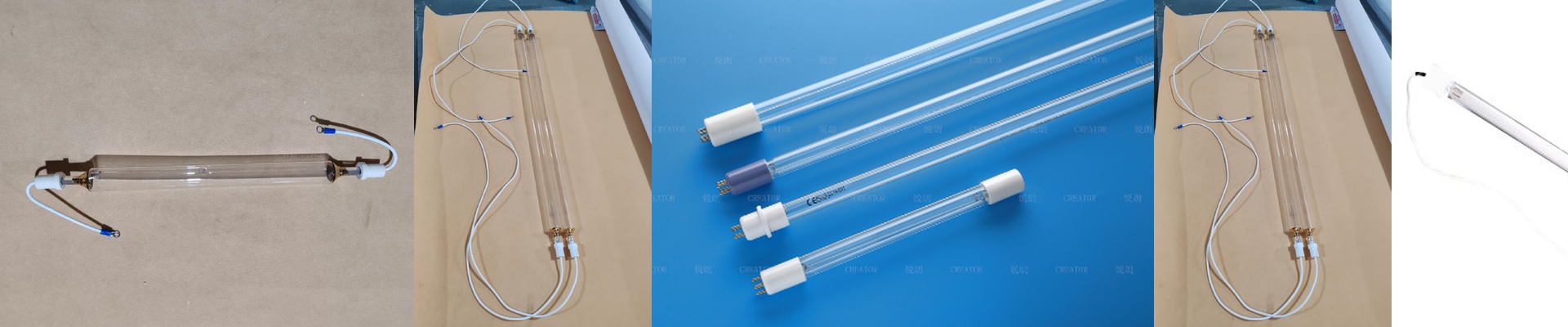
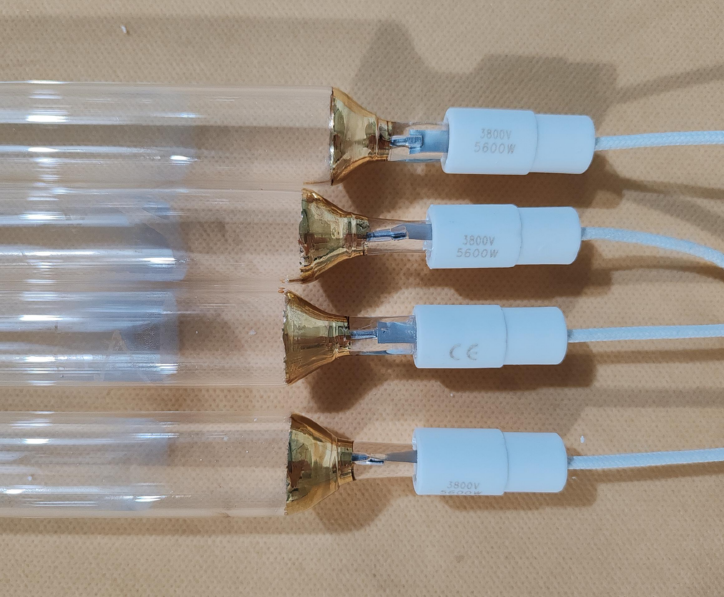
Getting Your UV Lamps to Actually Save Energy (Without Killing Your Throughput)
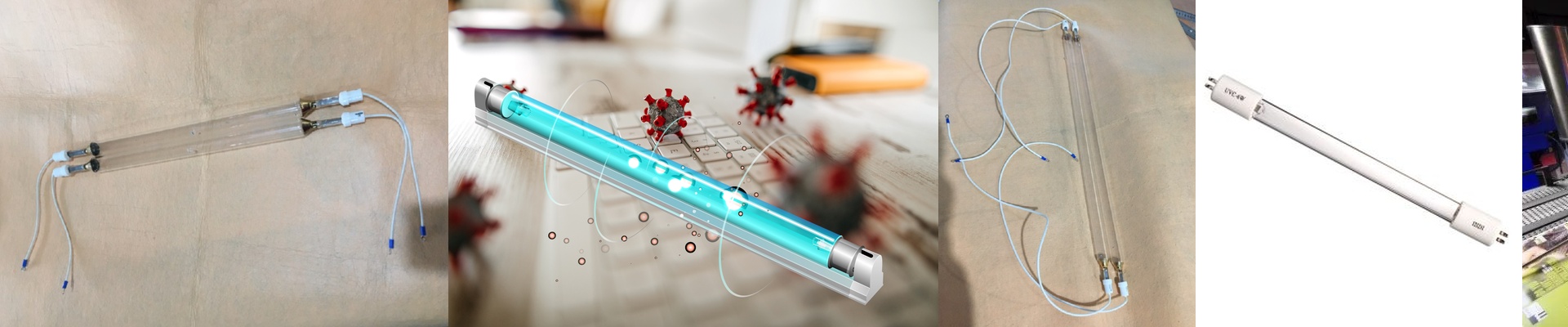
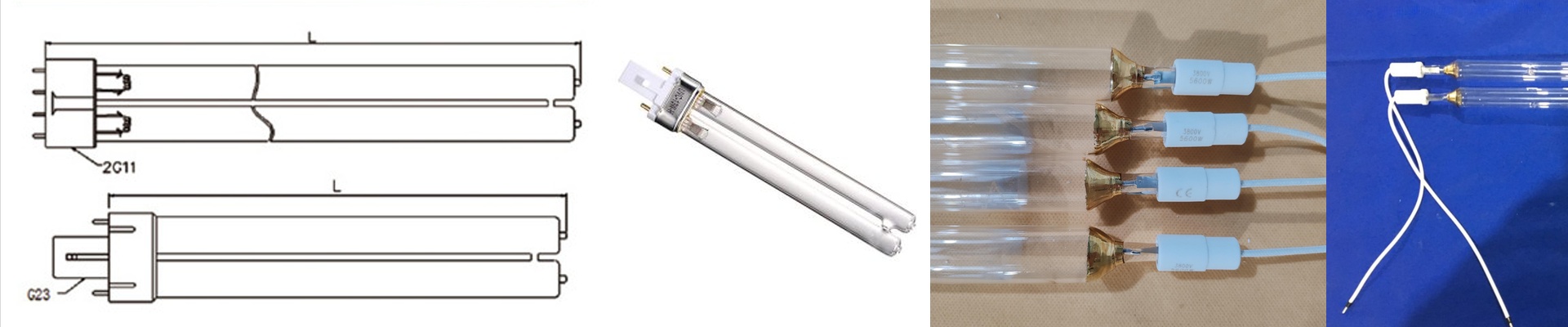
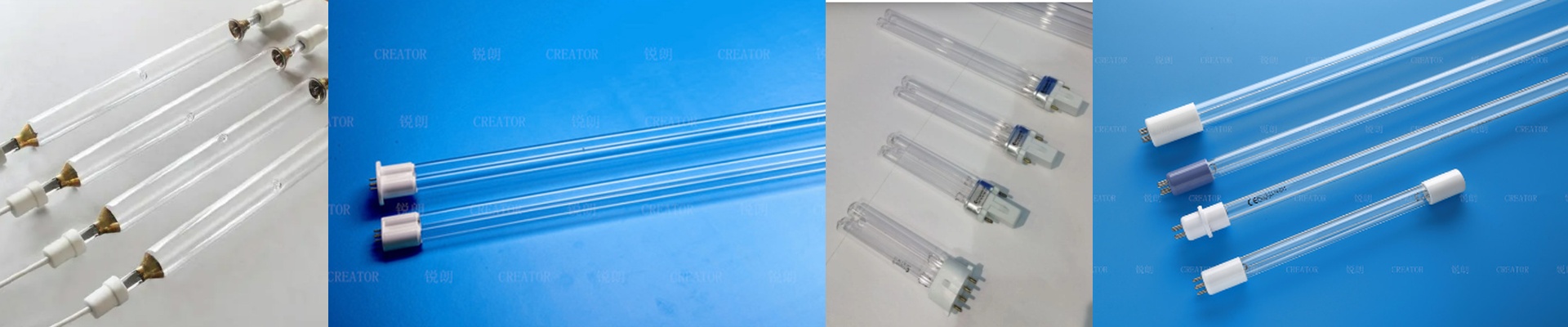
When we design UV germicidal lamps for printing lines, we aren’t just trying to make a lightbulb. We’re trying to hit a sweet spot: getting exactly the right amount of photon energy to cure your ink and kill germs, without turning your equipment into a space heater. In a busy print shop, speed is everything. But there’s a catch. If your lamps pull too many amps or run way too hot, you’re going to warp your materials or fry your ballasts. Nobody wants to deal with that mid-shift. It’s not about the wattage. A lot of people think saving energy means just lowering the wattage. That’s a mistake. The real trick is in the spectral output. We obsess over the 253.7nm wavelength. By tweaking the gas mix and the shape of the electrodes, we make sure the energy actually hits the surface it’s supposed to, instead of just heating up the lamp housing. You get the same cure speed, but your electric bill stays lower. It’s a win-win. The battle against heat High-intensity UV creates a ton of heat. To fight that, we use high-purity quartz glass. This stops “solarization”—that annoying clouding effect that makes your UV output tank over time. Keeping things cool also keeps your electrodes from wearing out too fast. I’ve seen people try to “fix” old, dim lamps by cranking up the voltage. Don’t do that. You’ll just kill the rest of your lamp array faster. Real-world setup We build these as drop-in replacements. They should fit right into your existing rigs with simple wiring and secure mounts, so you aren’t wasting hours on a lamp swap. But here’s the thing: energy-saving lamps change where the heat goes. You’ve got to make sure your exhaust fans can handle the airflow in your curing tunnel. If the air just sits there, the lamps will overheat and burn out, no matter how “efficient” they are on paper. We build these things to take a beating in 24/7 production. They’re tough. Just make sure you give them some room to breathe.