Making UV Lamps That Actually Last
We spent 15 years figuring this out. We started with basic assembly, but we wanted more. We wanted to build UV lamps that could go toe-to-toe with the big international brands in terms of power and lifespan. Most off-the-shelf tubes fail for one simple reason: they aren’t built for the actual heat of a real production line. They look fine on a spec sheet, but they crumble in the field. We stopped looking at the brochures and started focusing on the actual physics of the arc and the chemistry of the quartz.
The math (and why it matters)
Custom design is really just a balancing act between wattage, voltage, and length. Here’s the thing: if you cram too many watts into a tube that’s too short, you get hotspots. Those hotspots crack the glass. Simple as that. We spend our time perfecting the electrode spacing to keep the plasma arc stable, which stops the lamp from burning out way too early. And since a lamp designed for 400V has to handle that initial “strike” without frying the insulators, we over-spec our components. It means you won’t be replacing your ballasts every few months.
No generic glass allowed
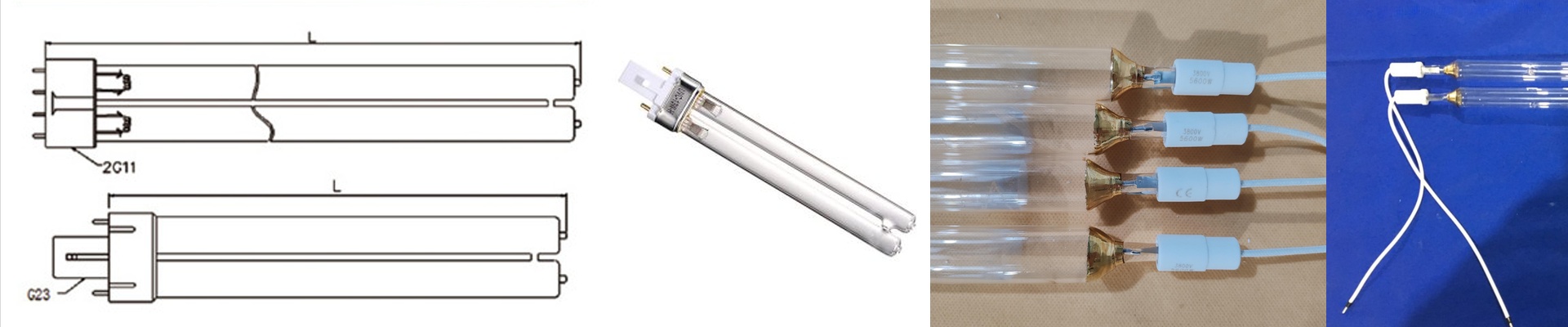
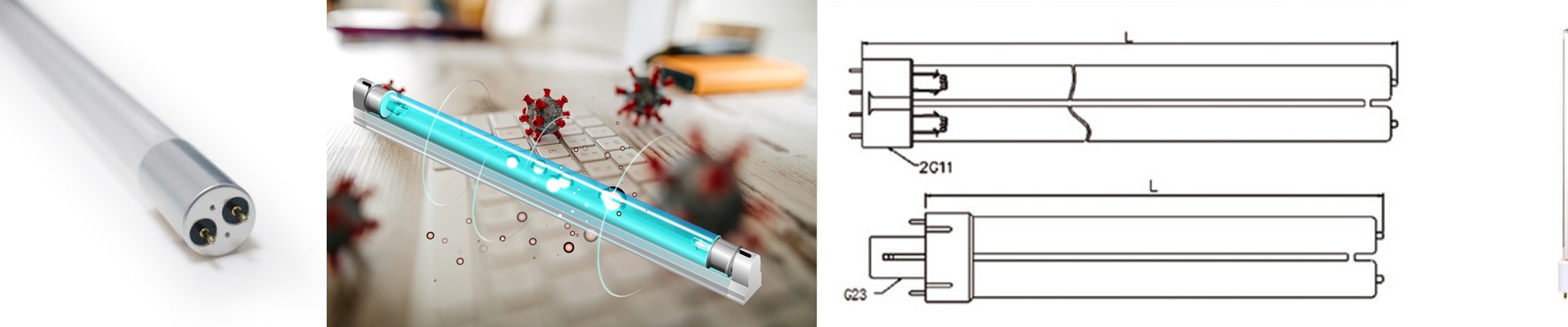
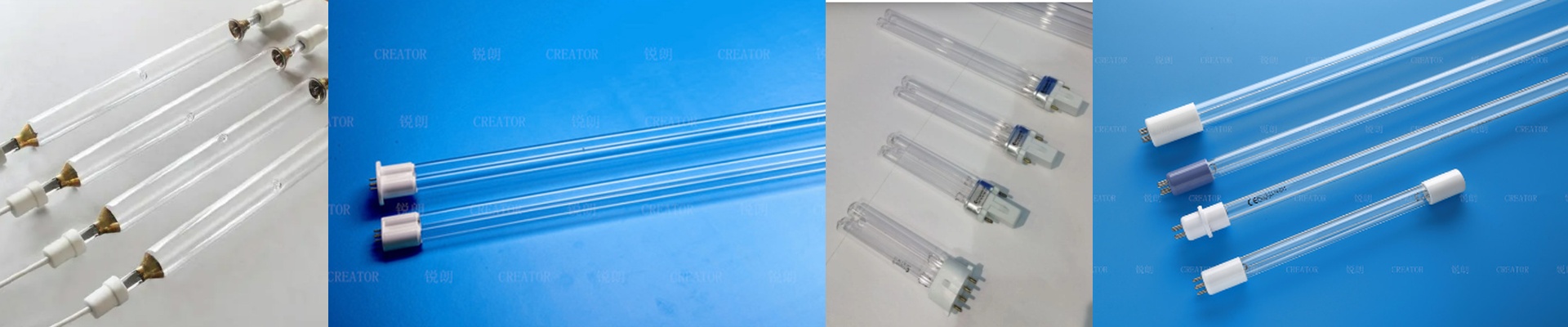
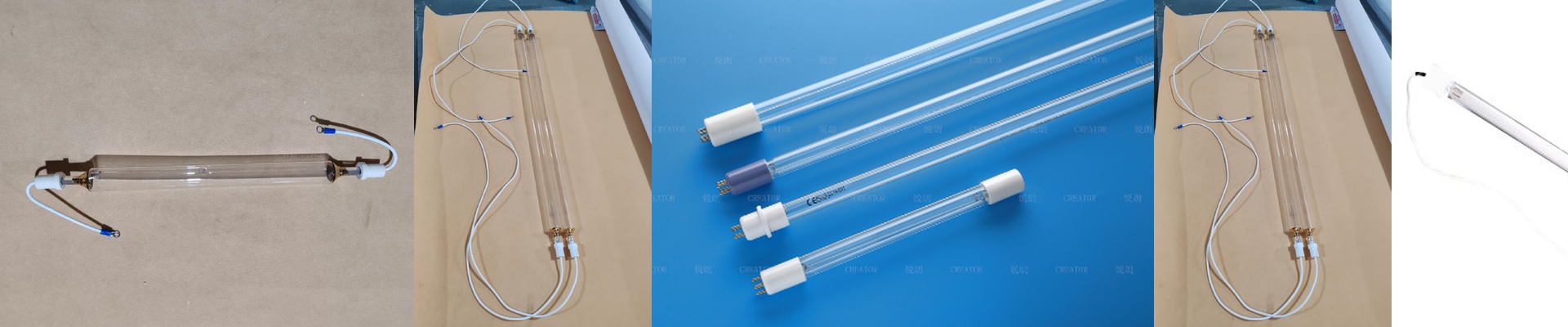
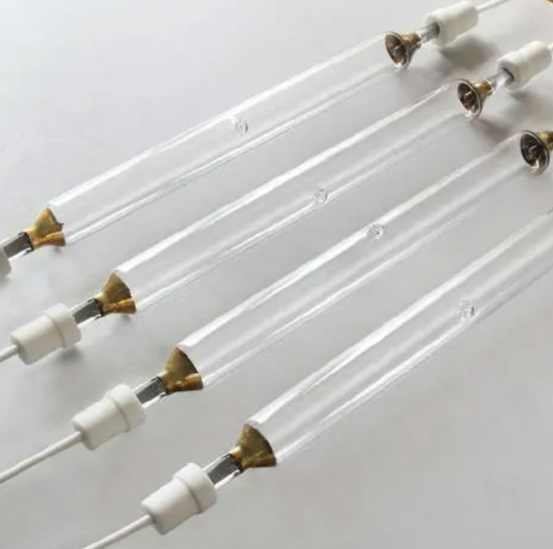
We don’t do “standard” glass. We use high-purity fused quartz. It’s the only way to get the UV-C transmission you need without the tube sagging when things get hot. Depending on what you’re doing, we can add specialized coatings to shift the wavelength or keep chemical splashes from ruining the surface. Plus, we handle the connectors. Whether you need standard pins or something custom-molded, we make sure they slide right into your existing rigs. No hacking, no rigging—just a drop-in fit.
The reality of the heat
High-intensity UV creates a massive amount of heat. Period. You can’t just crank up the wattage and hope for the best. If you run a high-density tube without the right cooling, the quartz degrades and the mercury starts to migrate. It’s a recipe for failure. You need balanced airflow to keep the skin temperature down. That’s why we design our specs around your actual cooling capacity, not some theoretical maximum that only works in a lab.