Stop Guessing with Your UV Lamps
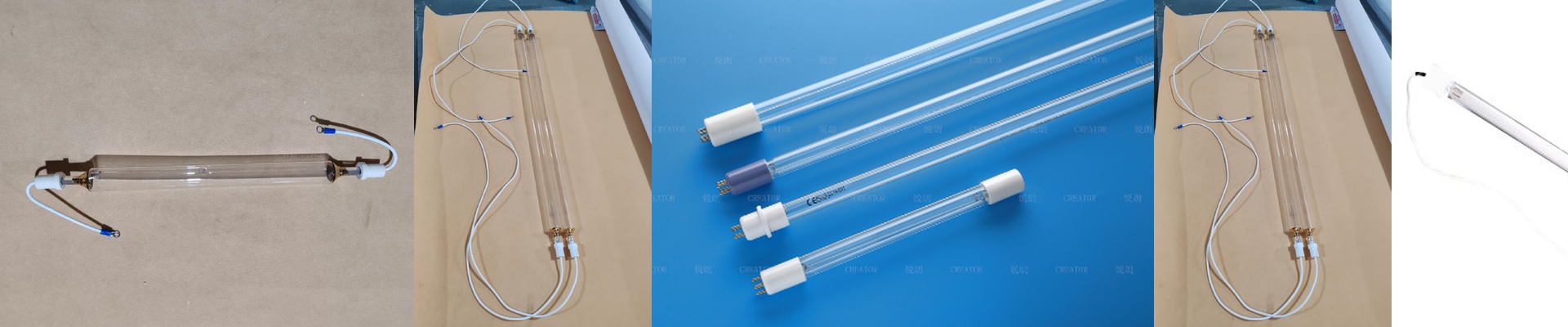
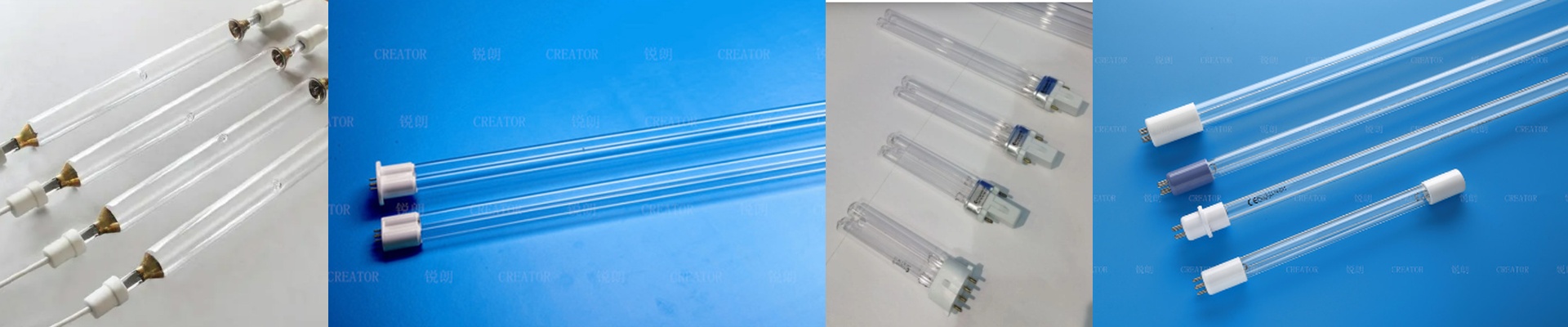
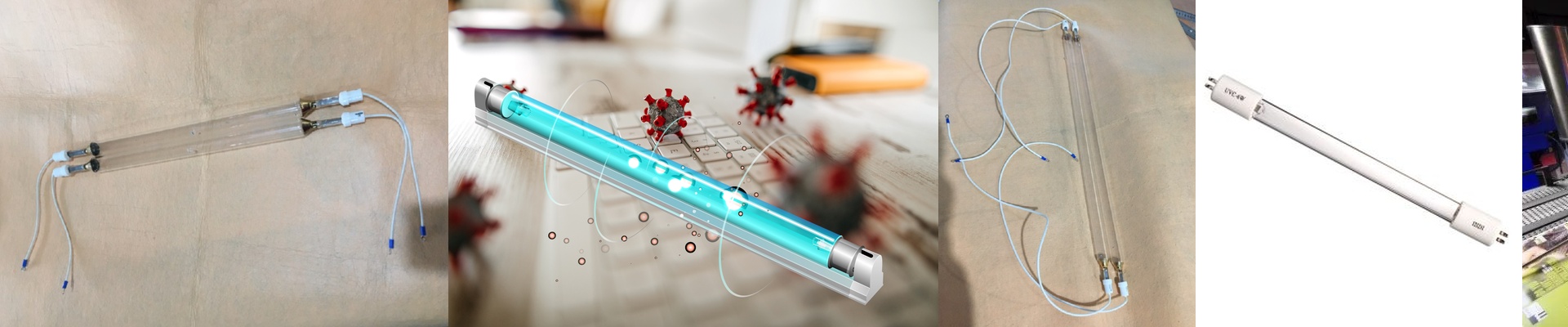
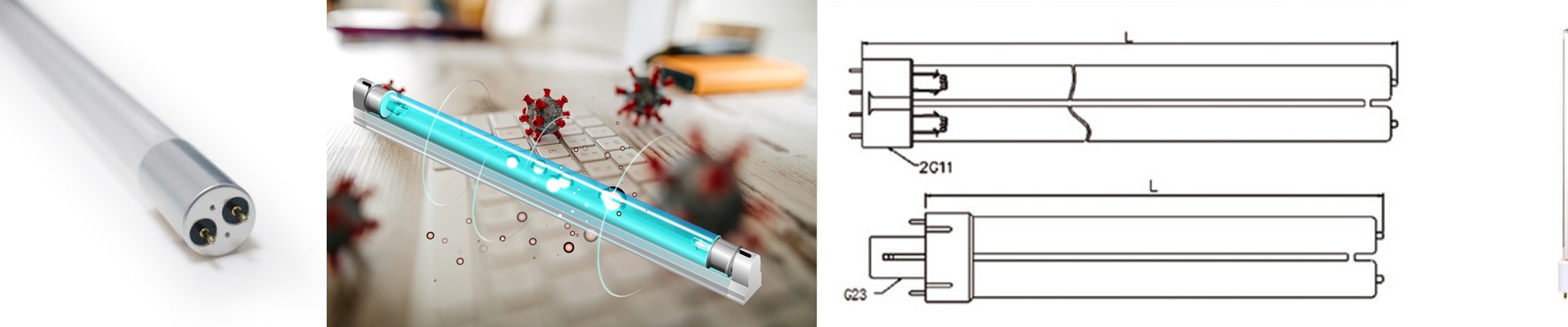
For a long time, mercury UV lamps have basically been black boxes. You flip the switch, they glow, and you just… hope they’re working. Most of us just glance at an hour meter and guess when the output is dropping. It’s a bit of a gamble, honestly. We decided to fix that. Instead of guessing, we built remote energy monitoring right into the lamp’s circuitry.
How it actually works
Here’s the thing: most of these lamps die because the electrodes wear out or the ballast starts to drift. By keeping an eye on the voltage and current in real-time, we can see exactly how much energy each tube is pulling. This isn’t some basic “on or off” light. We’re talking about actual telemetry. It catches those tiny power drops or weird current spikes that tell you a lamp is about to quit before it actually happens. We put the sensors directly in the power supply. That means you know exactly how much power is hitting your substrate without having to drag a handheld radiometer across the floor every hour. It’s just… there.
The messy part (Hardware)
Now, this isn’t magic. Adding smart sensors means the ballast is a bit bigger. You’ll need a little more room in your cabinet for the communication modules. Then there’s the noise. High-voltage UV starters are electrically “loud,” which can mess with the data. We had to shield the monitoring parts pretty heavily to make sure the signal stays clean and the data is actually usable.
What this means for your day
If you’re running a shop, you know the pain of the “fixed schedule.” You replace lamps every X hours regardless of how they’re actually performing. That’s a waste. You’re either tossing 20% of a perfectly good lamp’s life in the trash, or—even worse—you’re running a dead tube that isn’t curing your resin or killing bacteria. That’s how expensive mistakes happen. With remote monitoring, you stop following a calendar and start following the data. You get a ping when the output hits a certain limit. You swap the tube when it’s actually worn out. Less downtime. Fewer wasted parts. A lot less stress.