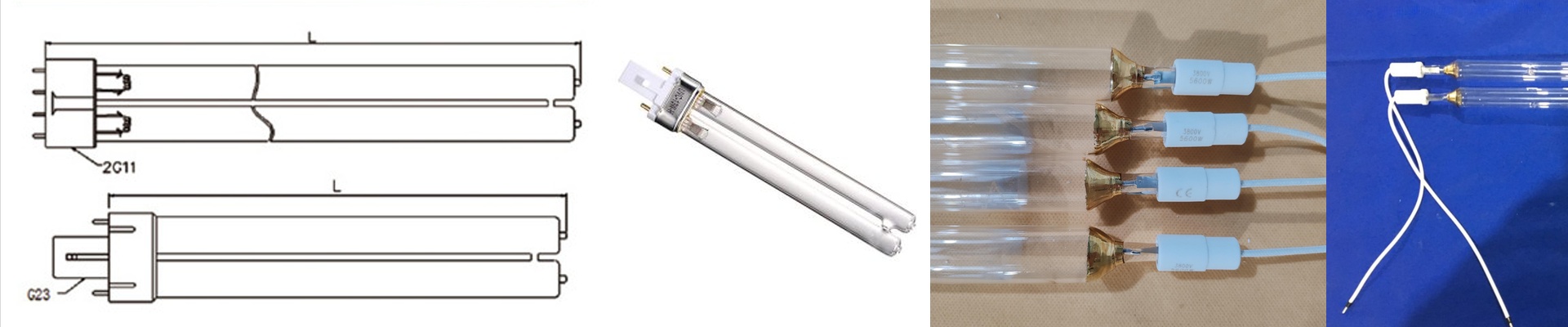
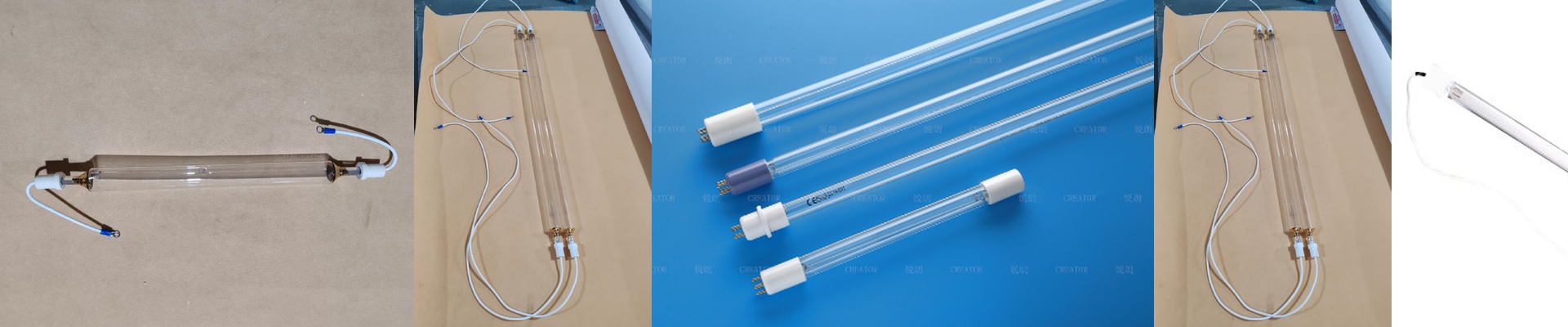
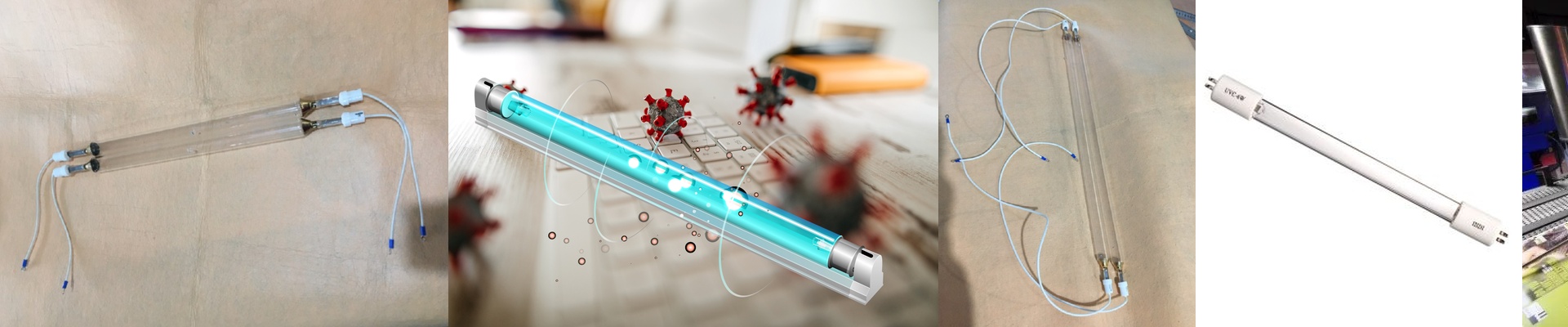
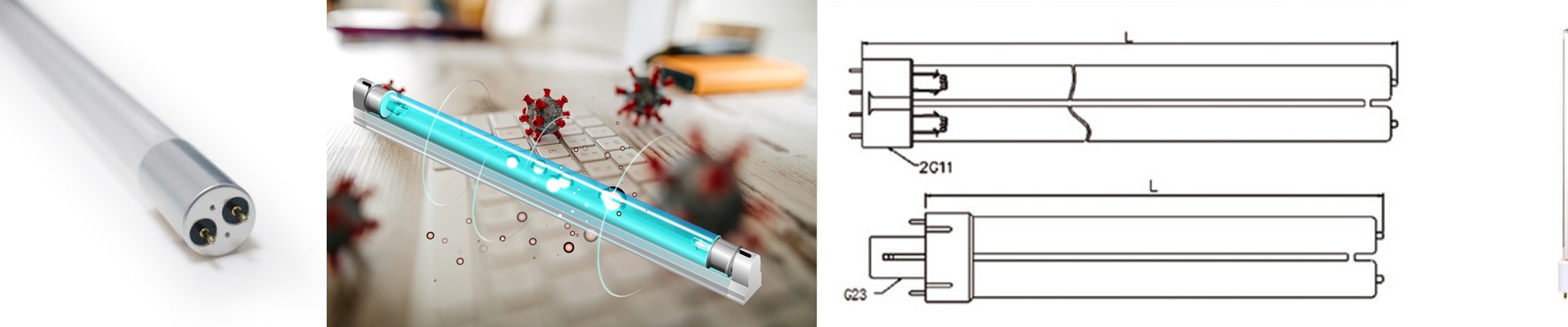
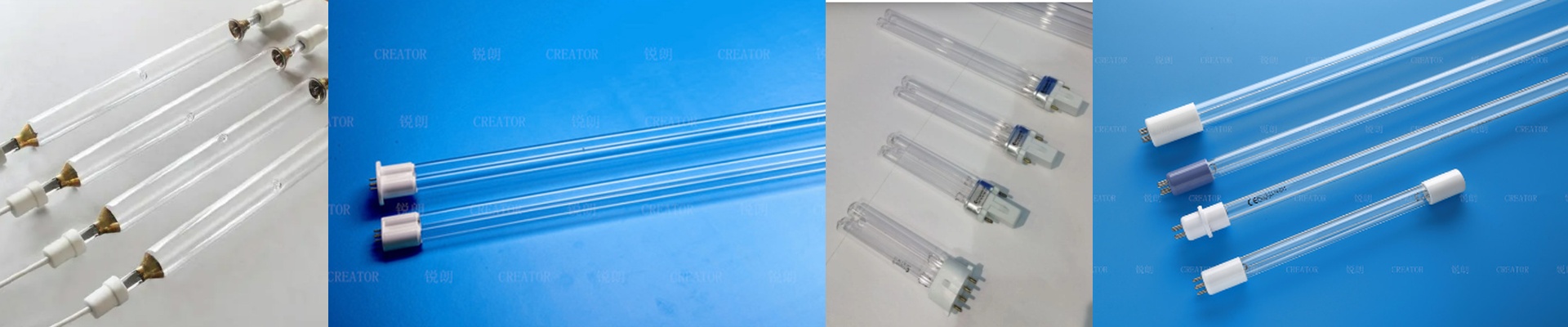
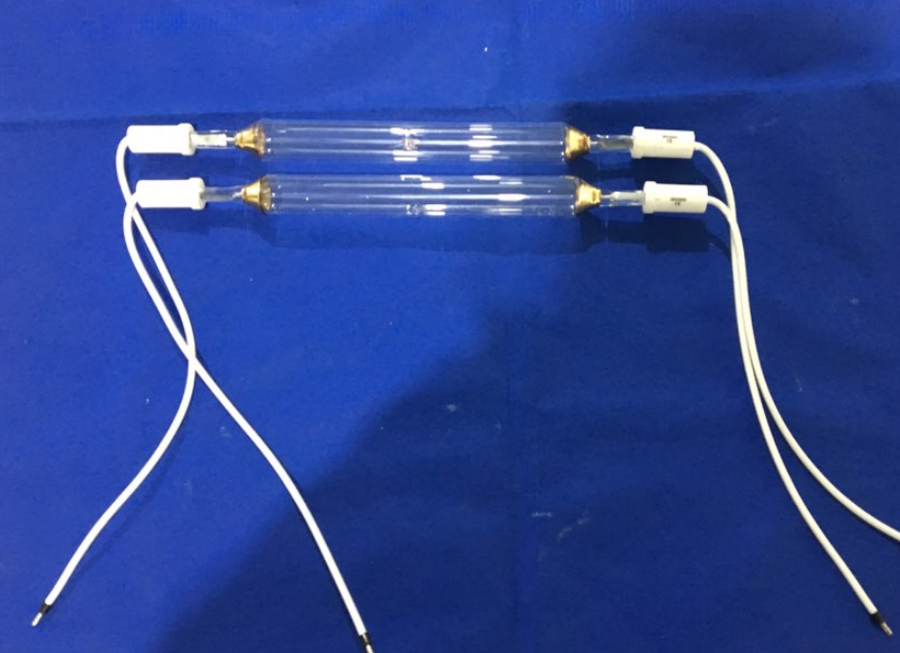
On the floor, this isn’t a debate you run from theory. You’re printing garment after garment, and the question is practical: which light source keeps the line moving without giving up cure depth or print quality? Short-wave UV, from proven mercury vapor lamps, stays the workhorse for a reason. It delivers the photon density at 254nm that kicks off deep cross-linking through thick ink layers—curing all the way through the substrate, not just skin-deep. What actually matters It comes down to spectral output and peak irradiance. A short-wave UVC bulb throws a broad-spectrum output, with the dominant 254nm line supplying the high-energy photons needed to break down photoinitiators throughout the ink stack. That translates into high curing energy density (mJ/cm²) that can push through thicker ink deposits—something narrow-spectrum LEDs have a hard time with. And the reflector, often with a dichroic coating, keeps maximum UV intensity projected forward. Why it fits textile screen work In textile screen printing, the ink film is thick. LEDs can leave the bottom layer undercured, and then wash failures show up. The high peak irradiance of a short-wave UVC system drives complete polymerization from top to bottom, so the print holds up through laundering. You get faster throughput on the presses you already have, and a process window that plant engineers can set and trust. What you need to watch Short-wave UVC bulbs are powerful, but they dump a lot of heat. Dedicated air-cooling is a must to hold output stable and keep the substrate safe. When you integrate these systems into a press, thermal management is not optional. We always tell people: verify chiller capacity and confirm lamp housing alignment. Do that, and you avoid hot spots and keep curing uniform across the full print width.