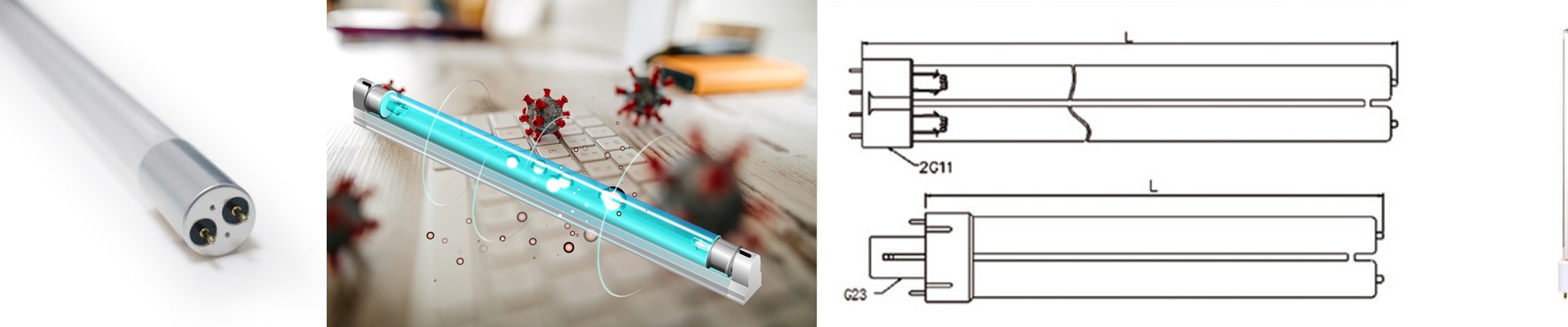
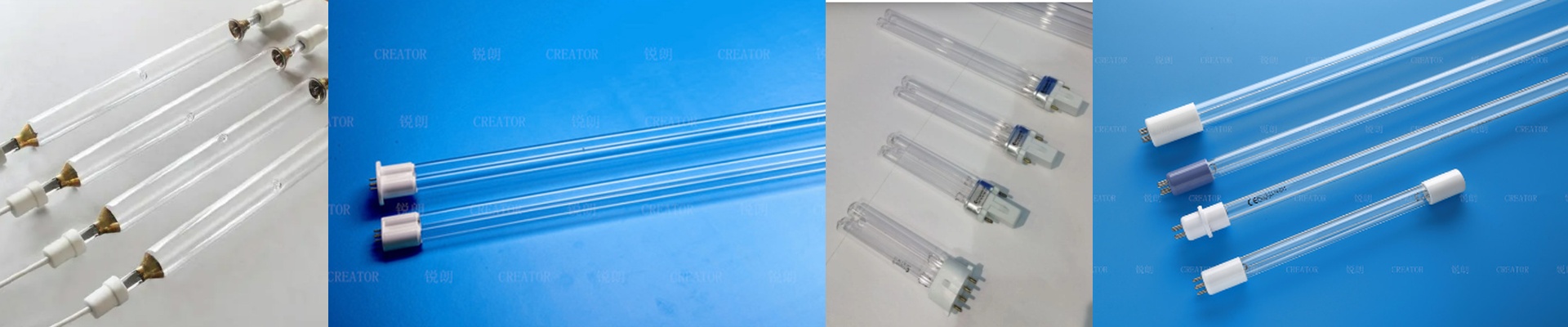
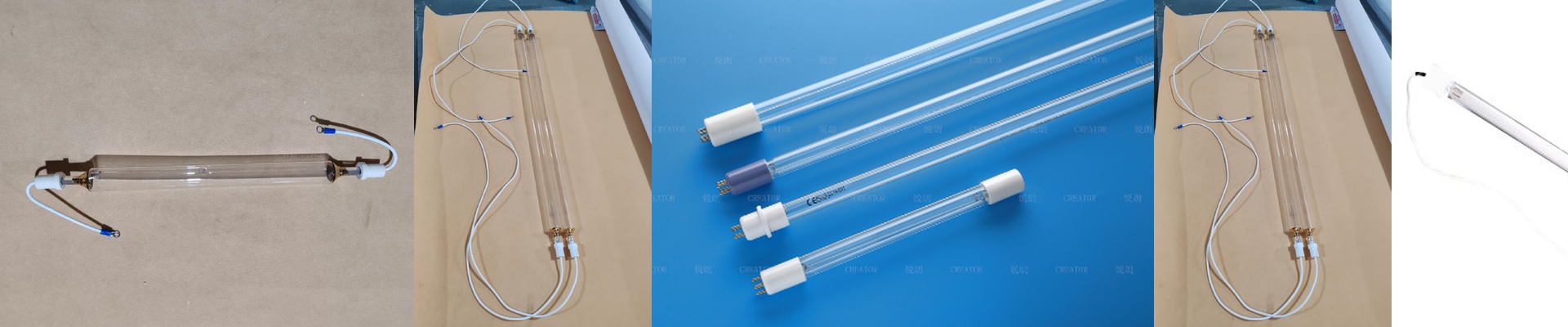
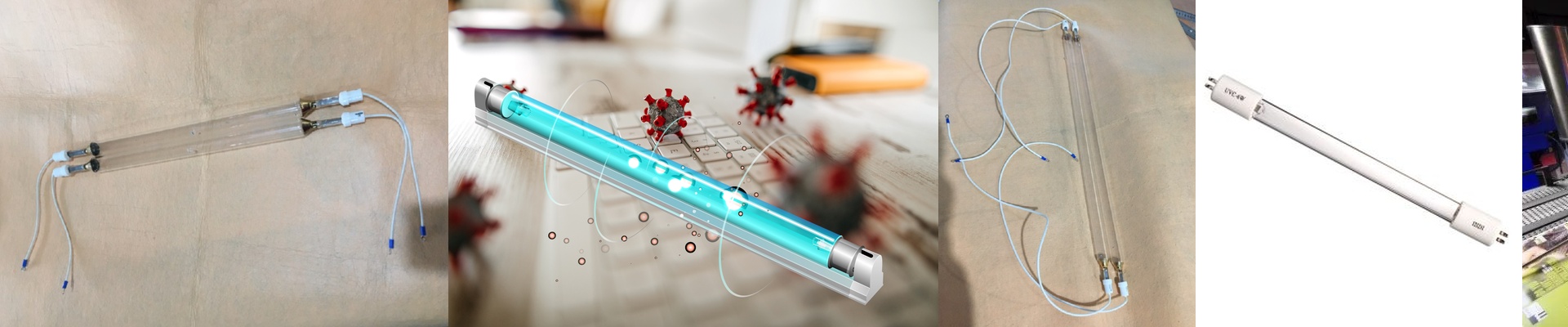
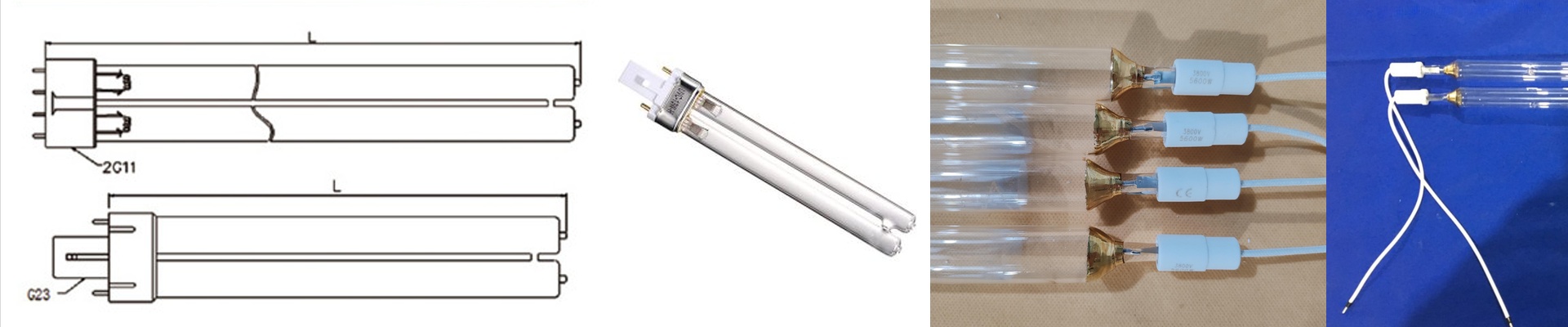
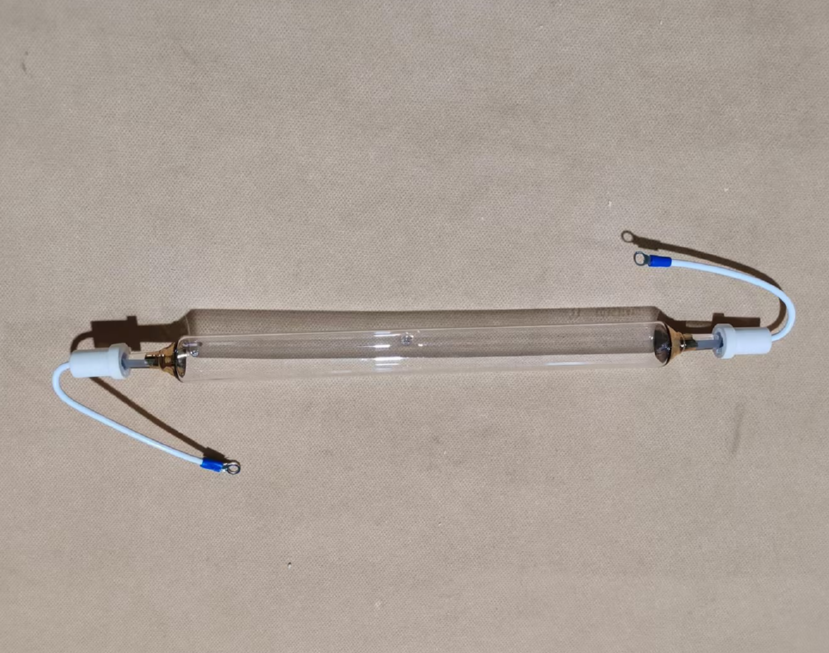
On the plant floor, a fingerprint on the quartz sleeve of a commercial UV germicidal lamp isn’t a minor oversight. It’s a predictable failure mode you can measure. Organic residue from skin, oils, and cleaning solvents creates local hot spots, drives uneven wall temperature, and hastens devitrification. The payoff is a sharp drop in UV-C output and a lamp that dies early—often before it hits the rated hours. What matters, technically Commercial UV germicidal systems need a tight spectral output at 254nm to break microbial DNA. Quartz transmits that wavelength, but only if the wall thickness is uniform, the surface is clean, and thermal behavior stays stable. We quantify output as irradiance (mW/cm²) and dose as mJ/cm²—dose being irradiance multiplied by exposure time. Fingerprints and hydrocarbon films absorb UV, spike local temperature, and push the quartz toward crystalline change. Transmission falls. Even a light oil mark can cut local UV-C intensity by tens of percent, leaving a cold spot that defeats disinfection. Why this matters in production On the line, you need stable, repeatable dose delivery. A clean quartz envelope keeps spectral output consistent, lamp voltage predictable, and irradiance steady across the target. That means fewer dose excursions, fewer rejected batches, and lamp replacement intervals you can plan around. When the lamp runs within its thermal design, the reflector stays efficient, and the energy goes where it should—not wasted as heat on a contaminated surface. Here is what you need to do Handle quartz with clean, lint-free gloves. Wipe with isopropyl alcohol, then let it dry completely before you energize. Never touch the tube with bare fingers. Check fixture alignment and reflector condition at install. Misalignment throws shadows and gives you uneven dose. Expect a tight fit. Our lamps are engineered for specific reflector geometries and power densities. Stray from those constraints and you’ll shorten service life—even if you handle the quartz perfectly.