

Cleaning Up the Way We Do UV Curing
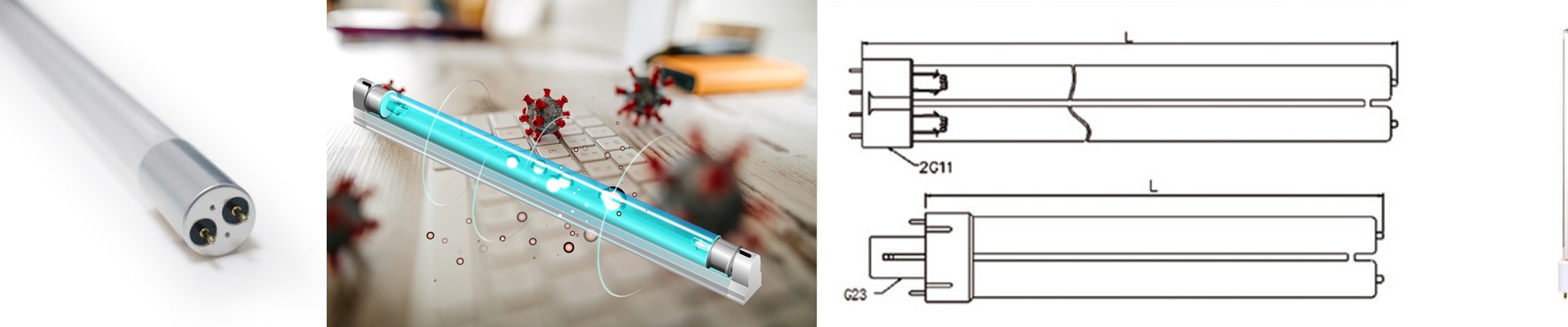
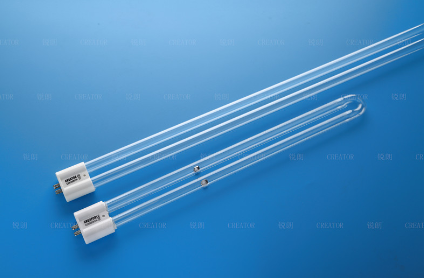
Let’s be honest: traditional UV lamps are a headache. They’re packed with mercury, they burn out way too fast, and getting rid of them is a regulatory nightmare. We decided it was time to stop dealing with hazardous waste and actually fix the hardware. So, we built a new kind of lamp. No toxins, just a design that actually lasts.
No More Constant Tweaking
If you’ve worked in automation, you know the drill. As a bulb ages, the output drops. To stop things from under-curing, you’re stuck constantly messing with your conveyor speed just to keep up. It’s a tedious game of whack-a-mole. We fixed this by rethinking the gas mix and the way the electrodes are shaped. The result? The light stays strong for much longer. You get a steady, flat line of power, which means you can set your line and actually forget about it for a while.
Getting Rid of the Gunk
We stripped out the mercury and the parts that create ozone. Now, when a lamp finally reaches the end of its life, you don’t have to call in a hazardous waste team or fill out a mountain of paperwork. You just swap it. We also switched to a high-purity fused quartz. Usually, UV glass “solarizes”—it gets cloudy and kills the light output. Our glass stays clear. It just keeps working, which pushes your replacement dates way further back.
Plugging It In
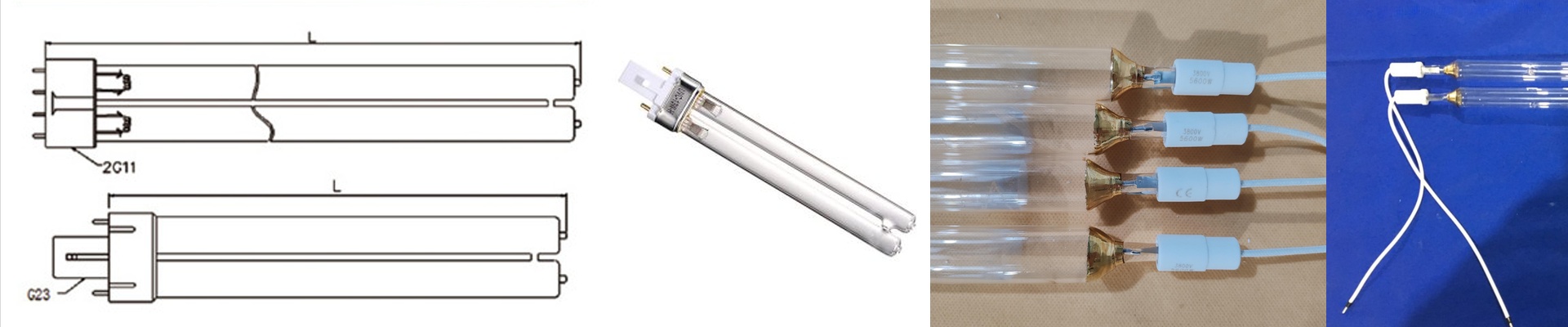
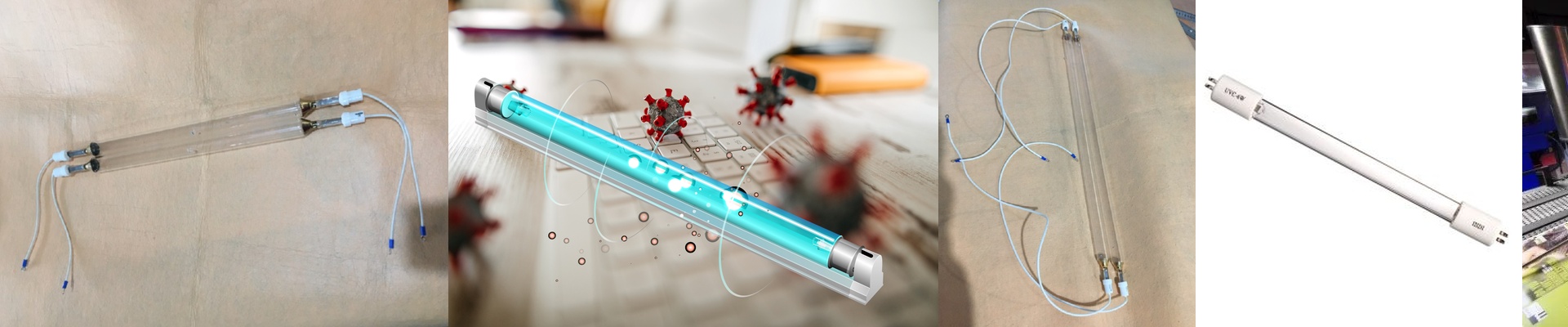
You don’t need to rip out your entire assembly line to use these. We kept the footprints standard, so they should slide right into your existing setup. Wire it up, calibrate your intensity, and you’re good to go. There is one thing to keep in mind, though. Because we aren’t using those toxic additives to boost the light, these units pull a bit more power during the initial ramp-up. Just make sure your power supply and cooling fans can handle that early spike so you don’t overheat the reflector housing. It’s a quick check, but definitely worth doing with your ballast before you roll these out across the whole floor.